
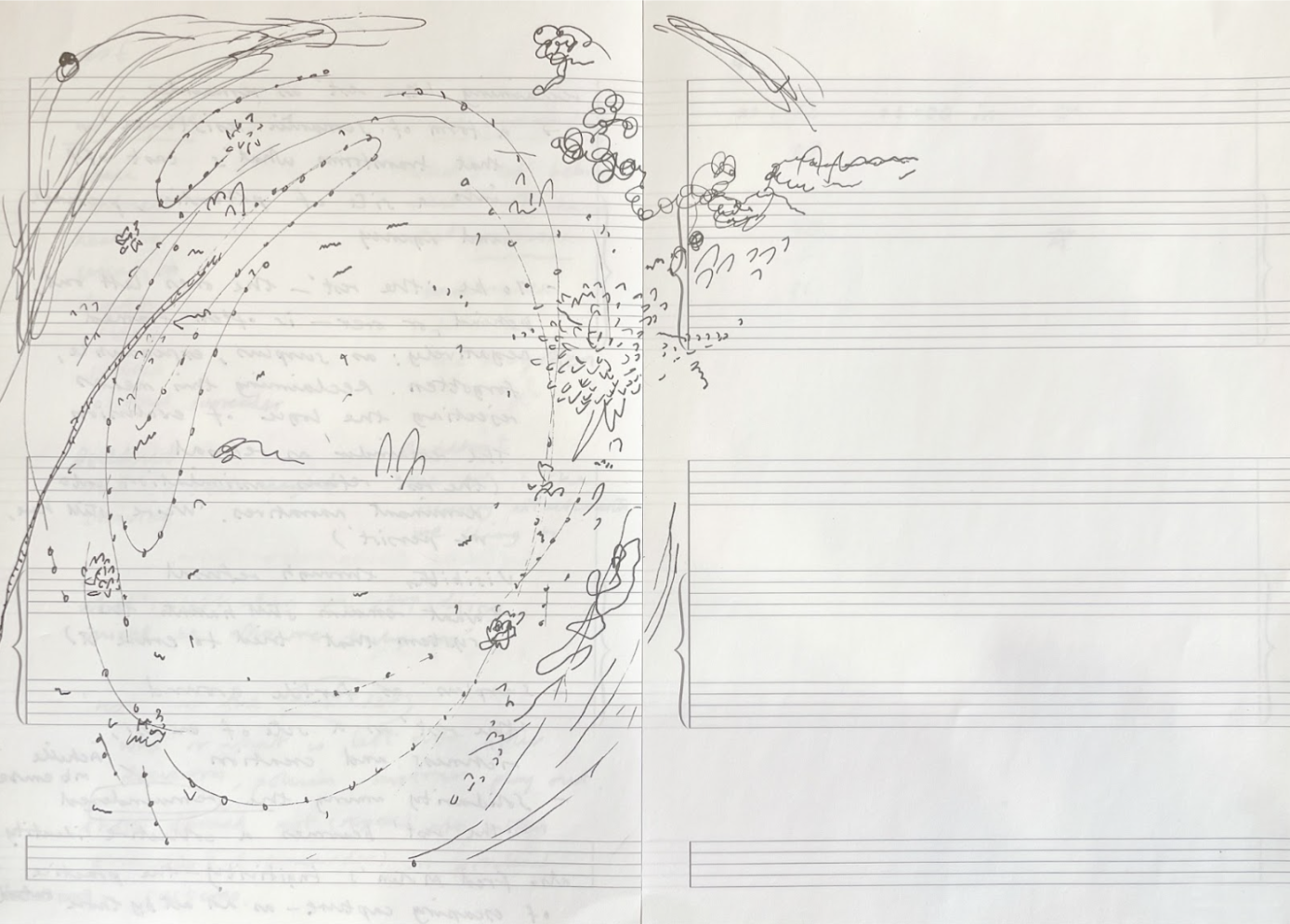
Queer Ecologies: The Unnatural
GENERAL INFO
- DATES
-
From September 7th to December 14th, 2026
- REGISTRATION
-
Closed
- FORMAT
-
Online. 15 weekly sessions, Mondays 18h–20h (CET)
- LANGUAGE
-
English
- SCHOLARSHIPS
-
Applications closed June 30. See details below.
- FULL TUITION
-
950 €
ABOUT
Queer Ecologies: The Unnatural is a mid-term online independent studies program developed by the Institute for Postnatural Studies in collaboration with the Institute of Queer Ecology, for its first edition. Over fifteen weekly sessions, the program brings together queer theory, ecological thinking, and artistic practice to unsettle the ways “nature” and “the natural” have been constructed, policed, and instrumentalized. Through lectures, collective discussions, readings, and the co-creation of a shared oral archive, participants engage with the entanglements between bodies, ecosystems, and cultural narratives — exploring how queerness can open radically different ways of sensing, relating to, and caring for a multispecies world. The program is designed as a space of study and community: nonhierarchical, speculative, and grounded in the lived experience of its participants.
The lens of queer ecology reveals a world of vibrant belonging
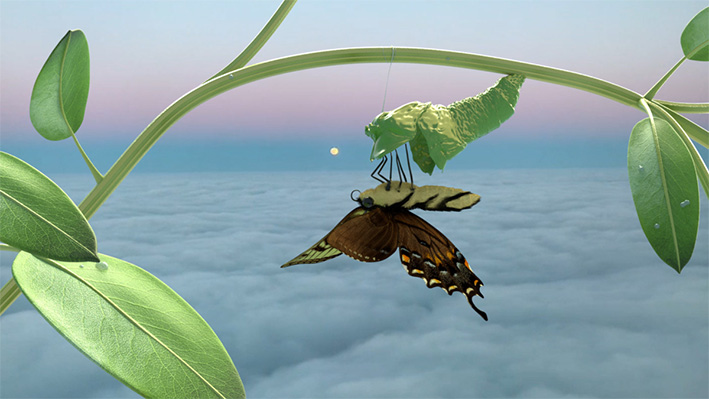
The Institute of Queer Ecology, Still from Metamorphosis, Episode 3- Emergence, 2020, Courtesy- Institute of Queer Ecology und DIS, New York
QUEER ECOLOGY
Rooted in ecofeminism, queer theory, and ecological thinking, queer ecology suggests richer ways of framing our relationships with other species and with each other. Moving beyond—and resisting—default assumptions about how “nature” operates in western, heteropatriarchal, scientific, and historical narratives, queer ecology opens up diverse and entangled ways of understanding the world, especially when intertwined with artistic practice. It reminds us that phenomena can be approached in multiple ways, not only to be understood but also embraced with empathy and an open heart.
We can interpret the evolution and diversity of life through many frameworks: Darwin’s theory of descent with modification, Lynn Margulis’s symbiogenetic evolution, David G. Haskell’s invitation to listen to the sonic flourishing of life on the planet, and many more. How many other ways might there be to tell this story? In our program, we’ll rely on art, queer theory, and ecological research to open our awareness to the stories we tell about nature and how these stories shape our lives and make our world.
What is natural? What is deviant?
A deviant act is one that goes against accepted standards (against the norm), especially in regards to social or sexual behavior. Many forms of queerness have historically been labeled and criticized as deviant.
NATURAL DEVIATIONS
In the Judeo-Christian framework, where light and dark are metaphors for good and evil, the deviant has strayed from the good, away from the light. But we’ve seen constellations and the night-blooming cereus. We know beautiful things happen in the dark. Evolution itself is literally a deviant process: as species move through their lives, they come into contact with new landscapes, face new obstacles, meet new partners. They mutate, survive, and bring strange new strands of DNA into the world. Eventually, a species is born from these mutations. Out of the darkness, new life emerges—a way of being that deviates from everything that’s come before.
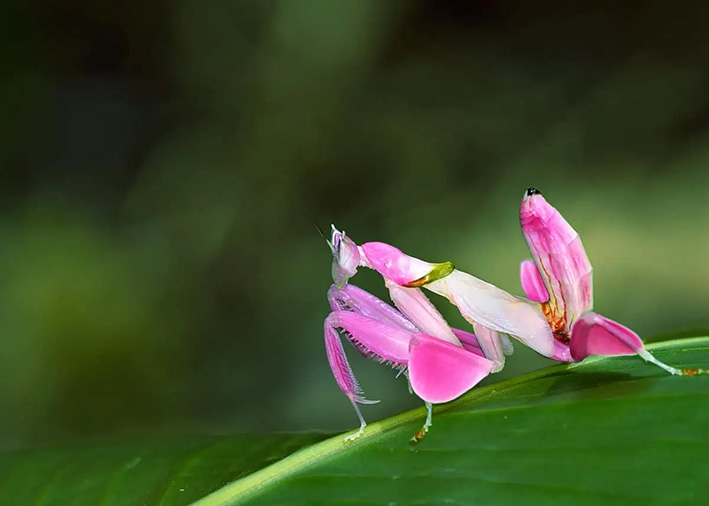
The orchid praying mantis uses a highly effective form of drag, adopting the vivid colors and petal-like shape of a blooming flower to hide from predators and lure pollinators.
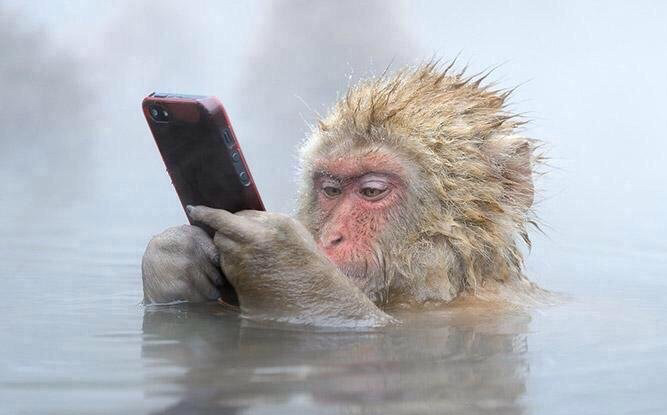
Macaque with Phone by Marsel Van Oosten
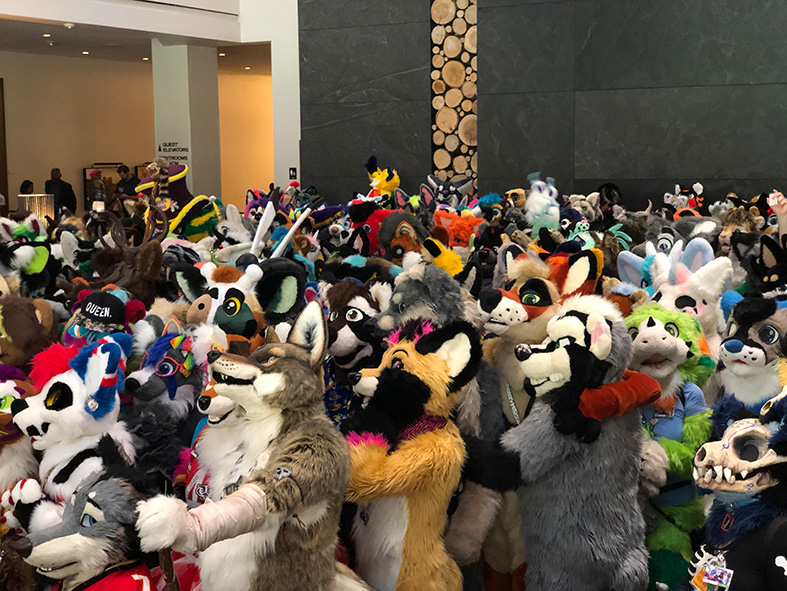
Fursuit Group Photo, Furry Migration, 2018
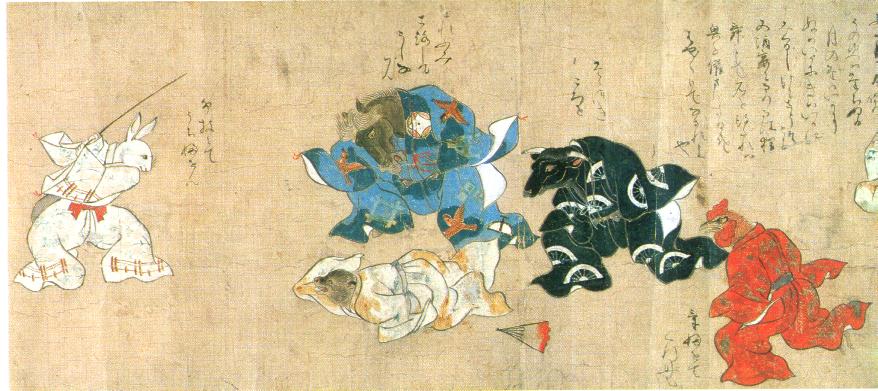
Japanese Traditional Furry Art
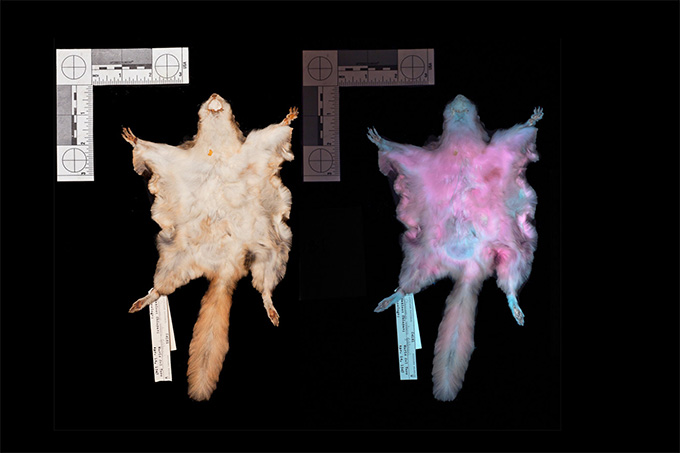
Under ultraviolet light, the belly of a flying squirrel glows fluorescent pink, Kohler et al. Northland College.
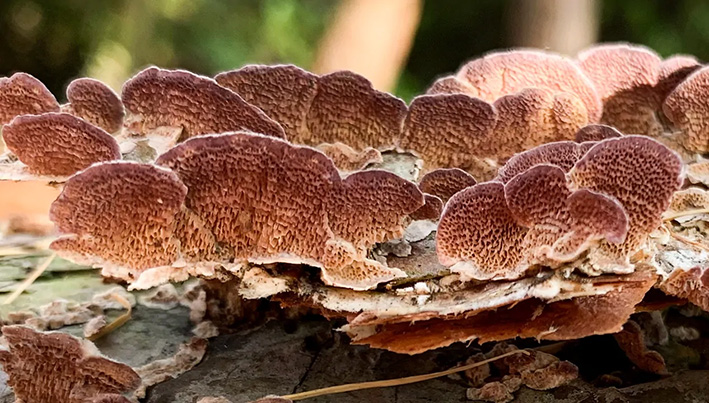
This Fungus Has More Than 17,000 Sexes_Image by Dabao Sun Lu
"We hope to open a space for queer folks and allies to share belonging, safety, and understanding around the shared experience of being considered unnatural"
UNNATURAL DIVERSITY
Numerous biological and ecological studies reveal that queerness is not limited to Homo sapiens. In his groundbreaking text, Biological Exuberance: Animal Homosexuality and Natural Diversity, Bruce Bagemihl (1999) argues that researchers haven’t just overlooked queer behavior in other species, they have actively suppressed, dismissed, and reinterpreted ethological observations that challenged traditional (and often conservative) notions of sex and gender. Plants, fungi, and animals all exhibit diversity and fluidity in sex, gender, reproductive strategies, and forms of pleasure and companionship that defy heteronormative and binary frameworks. Seen through this lens, queer ways of life are not an exception to nature exclusive to humans, but some of life’s most vivid expressions of diversity.
We’ll consider the effects of growing up in a heteronormative patriarchy and explore ways of reclaiming our naturalness, cultivating our own rituals and relations with the ecosystems we call home.
Thinking queerness together with ecology requires that we reflect on how our bodies relate through politics, disaster, epidemic, and injustice. Our bodies are part of nature, and so are our relationships. Can queerness help us understand that our relations, our friendships, kinships, and forms of siblinghood are nature manifesting through us? If so, how might queer ecology help us cultivate empathy, understanding, and love for our plural and multispecies world?
Queer Academics / Program Methodology
How can we move beyond content and conceptual frameworks to queerize an academic structure itself?
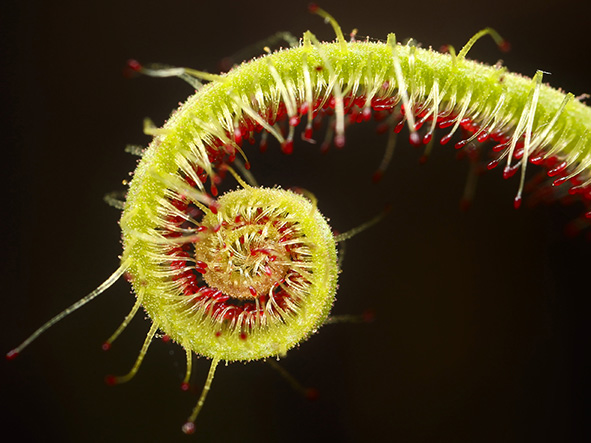
Insectivorous plants were long treated as anomalous in Darwinian taxonomies because they did not fit prevailing ideas about what plants ‘should’ do; Drosera cucullata. Image credit Tom Sayers AWC
With invited guests co-curating each semester, the program will continuously transform, both in theme and methodology. Together we will not only navigate thought and theory, but also blur and subvert traditional academic frameworks through nonhierarchical study-communities. These communities will allow us space to share, think, and feel together, to imagine futures in which nature is no longer used as a political tool, but embraced as a shared home made richer by its diversity of human and more-than-human experiences.
Postnature and queer ecologies are theoretical and applicable frameworks that invite us to expand on our ideas of what is considered natural and unnatural—by whom, and to what end—and to explore the possibility that we are as natural, as vital, and as interconnected as every other form of life.
THREE ENTANGLED MODULES
ONLINE LEARNING
- 01.
- 02.
- 03.
COLLECTIVE ORAL ARCHIVE / TENDER RADIO
As a practice in community and worldbuilding, this program will dedicate time to generating bonds and producing audio material that will take shape as a collective episode for Tender Radio, the sonic platform of the Institute for Postnatural Studies. As a queer form of resistance, we will engage with oral archives as both a method and mode of being together, creating resonances for future iterations of Queer Ecologies: The Unnatural academic program.
FOR WHOM
This program is for you if you are a queer researcher, artist, curator, cultural agent, community leader, someone questioning your identity, or an ally engaged in unsettling and reconfiguring the rigid categorizations imposed by patriarchal and western epistemologies of “Nature” or the “natural”. Through embodied, situated, and speculative practices, we invite participants who challenge binary logics and normative taxonomies that separate human from nonhuman, culture from nature, and legitimate from deviant ways of living. This program is aimed at thinkers and feelers who foreground relationality, hybridity, and fluidity, proposing alternative modes of knowing and sensing that resist extractivist and heteronormative frameworks.
Together, we will form a group of approximately 40 participants to not only critique the historical construction of Nature as a site of control and exclusion, but also to open space for more inclusive, interdependent, and transformative ecological imaginaries.
FACULTY
-
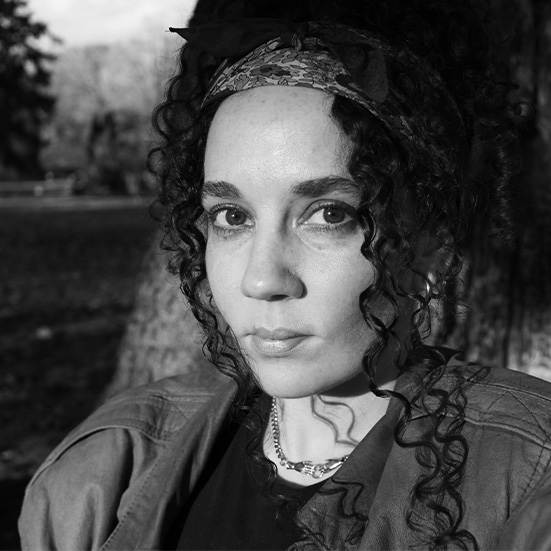
PAUL B. PRECIADO

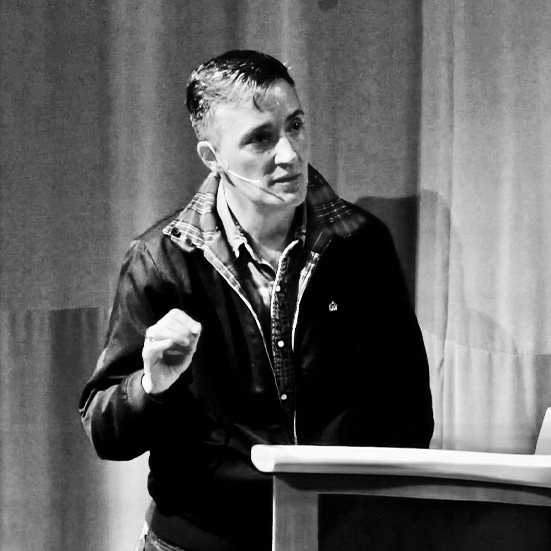
Paul B. Preciado is a writer, curator, film maker and one of the leading thinkers in the study of gender and sexual politics. He is the author of numerous books including Testo Junkie. Sex, Drugs and Biopolitics; Pornotopia; Can the Monster Speak?; An Apartment on Uranus; and Dysphoria Mundi. Paul B. Preciado is also internationally known for his experimental curatorial activities at the intersection of critical thinking, art, and activism. Coming from feminism, trans, and anti-racist critical theory, Preciado has led numerous projects with artists, writers, and thinkers to develop and explore new forms of social, philosophical, and political intervention inside and outside art and academic institutions. His first film, Orlando: My political biography, premiered at Berlinale in 2023 and received four awards including the Teddy Award for Best LGBT Documentary and the Special Price of the Jury for Best Documentary. His last book, Mon nom est Body, has been published by Le Seuil in French in 2026 and will be published by Fitzcarraldo and Graywolf Press in English and by Anagrama in Spanish in 2027. Preciado was born in Spain and lives in Paris.
-
BRIGITTE BAPTISTE
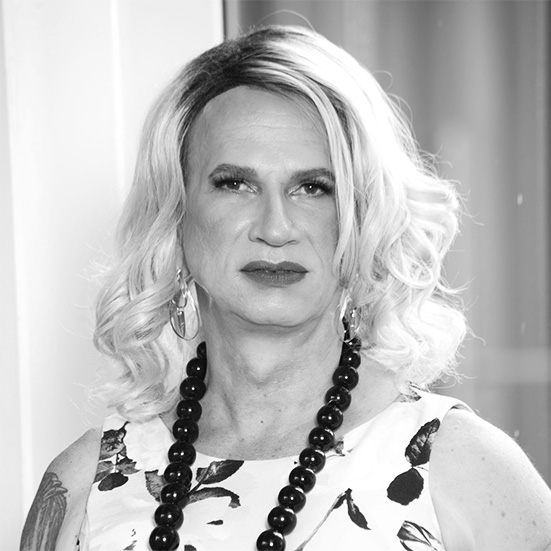
Brigitte Baptiste is one of the most influential figures in biodiversity, sustainability, and gender diversity matters globally. A Colombian biologist who graduated from the Pontificia Universidad Javeriana, she holds a Master’s degree in Latin American Studies with an emphasis on Tropical Conservation and Development from the University of Florida. Her academic career and her impact on environmental management have earned her two honorary doctorates: in Environmental Management from Unipaz and in Law from the University of Regina. For almost a decade, she led the Alexander von Humboldt Biological Resources Research Institute, first as deputy director of research and then as director. Since 2019, she has served as Rector of EAN University, a pioneering institution in sustainable entrepreneurship and ecological transformation in Latin America.
-
CARLOS MOTTA
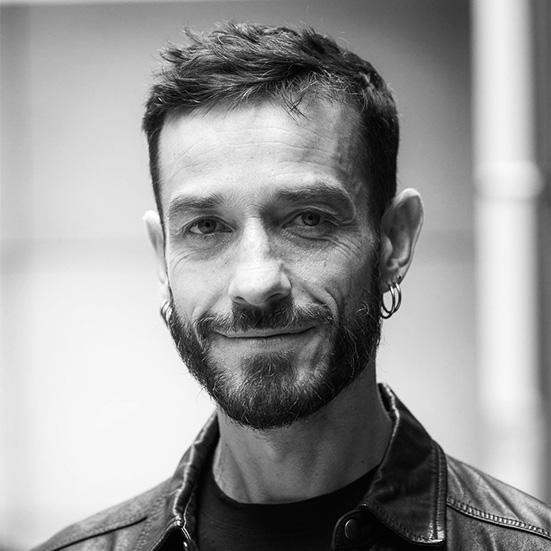
Carlos Motta is a multidisciplinary artist whose work explores sexuality, gender, and power through historical research and collaborative practice. Recent projects include Gravidade (Galeria Vermelho, São Paulo, 2024) and participation in the Disobedience Archive at La Biennale di Venezia. His mid-career survey Carlos Motta: Pleas of Resistance was presented at MACBA (2025) and will travel to OK Center for Contemporary Art, Linz (2026). His work has been widely exhibited internationally, including at MoMA, the ICA Los Angeles, the Carnegie International, the Berlin Biennale, the Metropolitan Museum of Art, and the Bienal de São Paulo. He has also held major solo exhibitions at MAMBO (Bogotá), Wexner Center for the Arts, MAMM (Medellín), and Röda Sten Konsthall. Motta is the recipient of numerous awards, including a Guggenheim Fellowship, and his work is held in major collections such as MoMA, the Met, the Guggenheim, Reina Sofía, and Centre Pompidou. He is Associate Professor of Interdisciplinary Practice at Pratt Institute.
-
Cy X
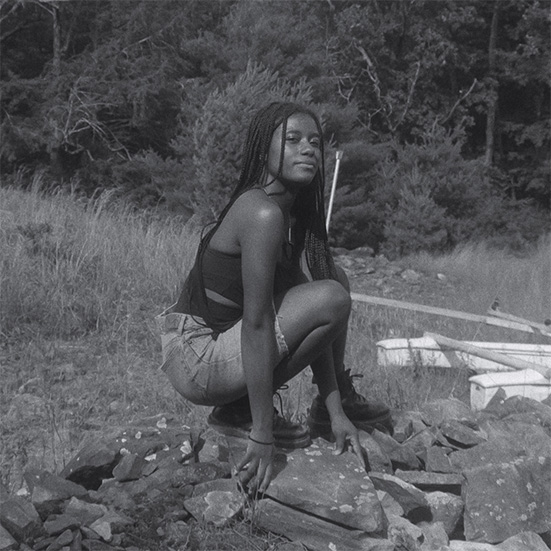
Cy X is a performance-artist, writer, and somatic researcher born under Southern-American skies to farmers, witches, educators, and musicians. They now live between New York City and Germany as they complete a Live Arts and Performative Practice Masters at the Academy of Fine Arts, Nuremberg. Currently, they are worlding a PERVERTED PRACTICE, reclaiming eroticism and critical perversion as a political method. Here, sabotage, misuse, and deviance become tools to unfuck // hack // top(ple) unjust systems. They have previously been a resident and/or had work featured in: Center for Art Research and Alliances, Culture Hub, New Inc’s Creative Science track (Year 11), Pioneer Works, The Processing Foundation, POWRPLNT, The School for Poetic Computation, Rewire Festival, and other spaces, both digital and physical.
-
PATRICIA ONONIWU KAISHIAN
Dr. Patricia Ononiwu Kaishian is the author of Forest Euphoria: The Abounding Queerness of Nature. She currently works as the Curator of Mycology at the New York State Museum. Her research focuses on fungal taxonomy, diversity, evolution, symbiosis, and ecology. She is a teacher with experience ranging from outdoor nature education for children to college level biology courses in maximum security prisons. Patricia is a co-founder of the International Congress of Armenian Mycologists, which seeks to jointly protect Armenian sovereignty and biodiversity. She also studies philosophy of science, queer ecology, and queer theory, exploring how mycology and other scientific disciplines are situated in and informed by our sociopolitical landscape. Her work, The science underground: mycology as a queer discipline (2020), bridged the relationship between queerness and mycology.
-
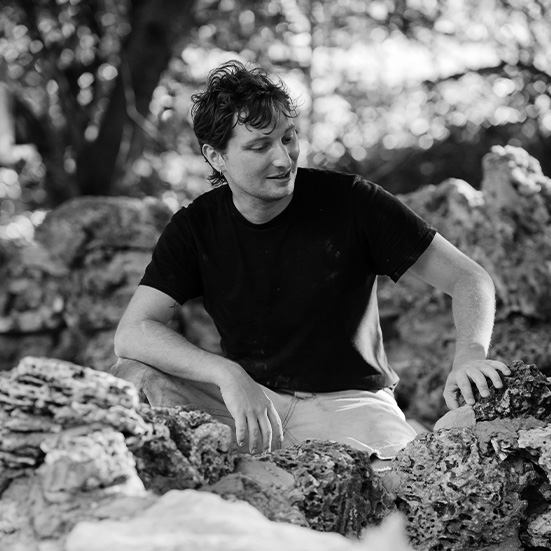
LEE PIVNIK
Lee Pivnik is an artist based in Miami, Florida. His practice is grounded in what he describes as “feral futurism”, a framework for living with and cultivating systems beyond human control. A sculptor and a scavenger, he looks toward other species as architects, collaborators, and ecological storytellers that reveal other ways of being and relating in the world. His sculptures, public artworks, and films create a visual language for ecological entanglement, frequently referencing South Florida’s changing landscapes. Lee co-directs the Institute of Queer Ecology, and graduated from the Rhode Island School of Design with a BFA in Sculpture.
-
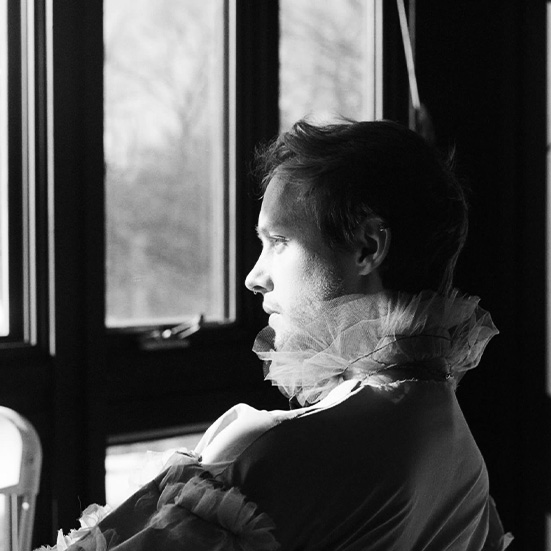
NICOLAS BAIRD
Nicolas Baird is a paleobiologist and artist whose work frames the world as a network of strange kin. In their scientific research, they look back in time to understand how bodies, landscapes, and climate have made each other into what they are today. In their artistic practice, they explore mutability, relationality, and adaptation through poetry, photography, and performance. Alongside their scientific research and artistic practice, Nicolas co-directs the Institute of Queer Ecology, a continuously evolving collaboration that creates and commissions projects for a more beautiful, strange, (bio)diverse world. They grew up in the Sonoran desert outside Tucson, Arizona and currently live in New York City.
PROGRAM DIRECTION
-
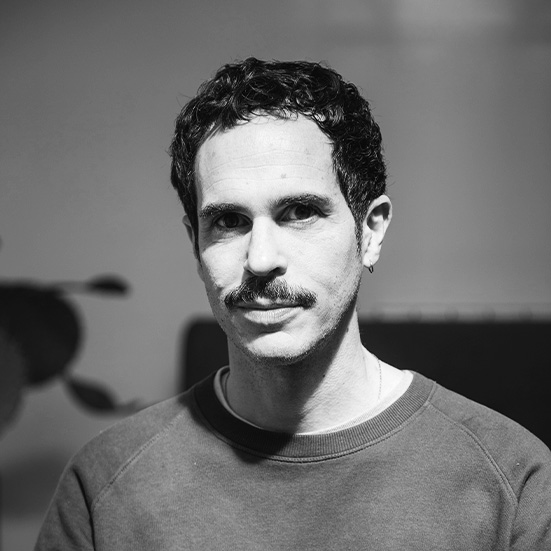
YURI TUMA
Yuri Tuma is a multidisciplinary Brazilian artist living in Madrid, where he co-founded the Institute for Postnatural Studies and practices as its Academic and Artistic Co-Director. Yuri’s work focuses on the investigation of contemporary narratives related to sonic and queer ecologies through collective practice, active listening, sound art, installation, and performance. In early 2020, he co-founded the Institute for Postnatural Studies (IPS) in Madrid, a platform for critical thought and a collaborative network of artists, researchers, curators, and thinkers engaged with the complexities of the ecological crisis. In addition to participating in residencies and coordinating workshops around interspecies kinships and sound ecologies, Yuri has worked with educational and mediation programs at Spanish and international institutions such as Museo Nacional Centro de Arte Reina Sofía, Matadero Madrid, HEAD Géneve, Berlinale, Fundación Mar Adentro, School of Commons, among others. Within IPS, he also actively shapes the editorial route of Cthulhu Books, an editorial platform to showcase the political potential of imagining new worlds and possible stories for the planet through academic and artistic research.
THIS EDITION
The invited co-curator to help launch this transformative academic adventure is the Institute of Queer Ecology
Register until September 1st, 2026
REGISTRATION
Queer Ecologies: The Unnatural operates on a first-come, first-served basis — no application process is required. Spots are secured upon payment and will be filled in the order registrations are received.
We have 40 spots available. Registration opens on May 21st, 2026, and remains open until all spots are filled or until September 1st, 2026 — whichever comes first.
FEES
Tuition fee
950 € per participant
Includes
• Participation in all 15 online sessions
• Access to recorded sessions and study materials
• Participation in the Collective Oral Archive / Tender Radio project
• Administrative and coordination costs
Payment options
The full fee is due upon registration to secure your spot. You can complete your purchase directly through the registration button on this page.
Pay in installments
We offer flexible payment options at checkout via Klarna and PayPal, allowing you to split your payment into interest-free installments. Available options may vary depending on your region.
If none of the available payment methods work for you, please contact us at studies@instituteforpostnaturalstudies.org and we will find a solution together.
SCOLARSHIPS
IPS and IQECO are offering 2 full-tuition scholarships for this program.
These scholarships cover the full cost of tuition (€950) and are intended to support participants who would not otherwise be able to join the program.
How to apply
Scholarship applicants should submit a brief statement reflecting on their situation, needs, and interest in the program through the dedicated scholarship form.
Deadline
June 30th, 2026
Applications are reviewed confidentially and internally by the IPS and IQECO teams. All applicants are encouraged to reflect honestly on their circumstances before requesting support.
FAQs
FREQUENTLY ASKED QUESTIONS
- 01.
- 02.
- 03.
- 04.
- 05.
- 06.
- 07.
- 08.
- 09.
- 10.
- 11.
- 12.
- 13.
- 14.
- 15.