WHAT IS POSTNATURE?
GENERAL INFO
- LED BY
-
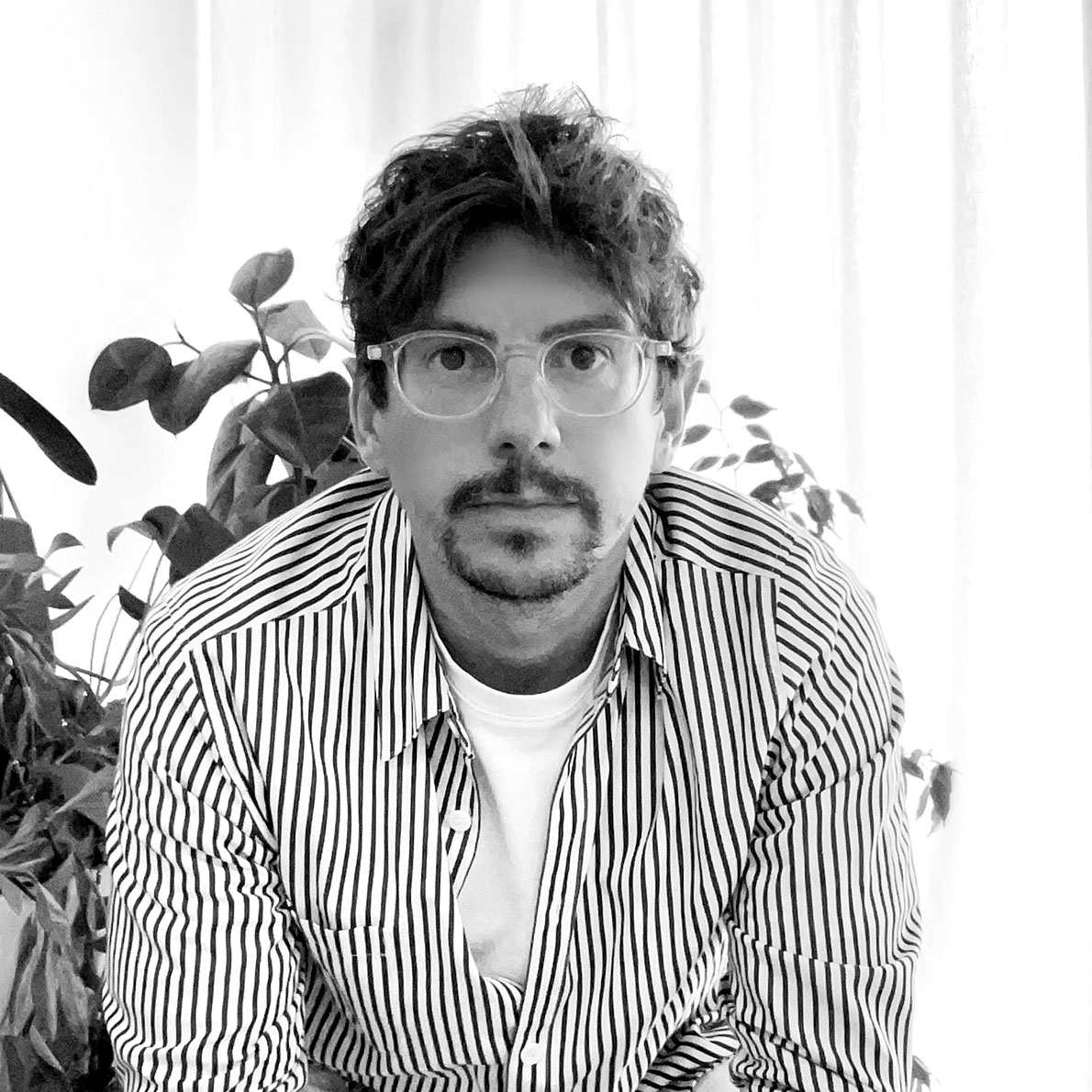
Gabriel Alonso and Yuri Tuma
- DATES
-
Tuesdays, from April 14th to May 5th, 2026
- TIME
-
6:00 – 8:00 PM (CEST)
- FORMAT
-
4 online sessions via Zoom
- LANGUAGE
-
English
- FULL TUITION
-
€ 250
- DISCOUNT
-
20% for students & IPS alumni
What if nature as we know it no longer exists? What if future ecologies are co-created by humans, technologies, and other-than-human actors alike? What if caring for the planet requires imagining entirely new forms of coexistence, listening and sensing? What is the future of nature? And how this new lens can help us navigate the uncertainty of contemporary urgencies?
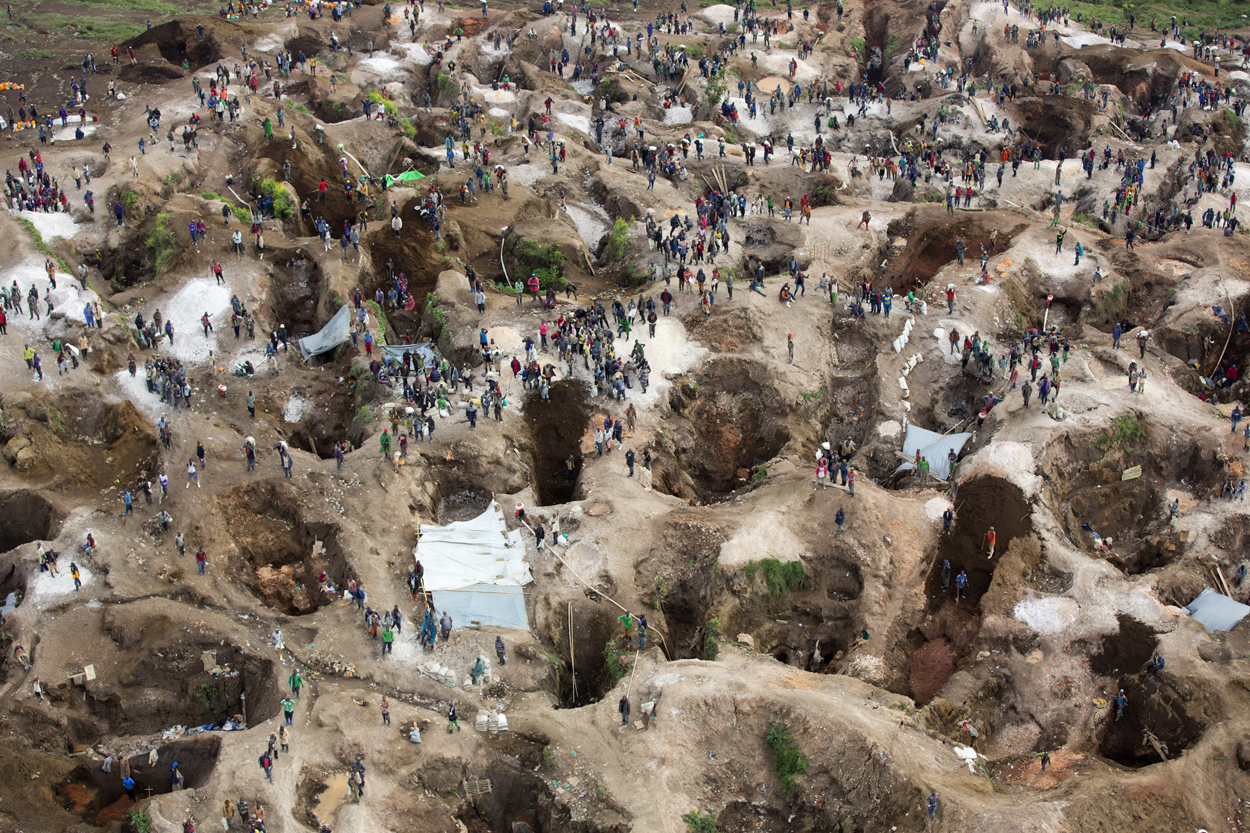
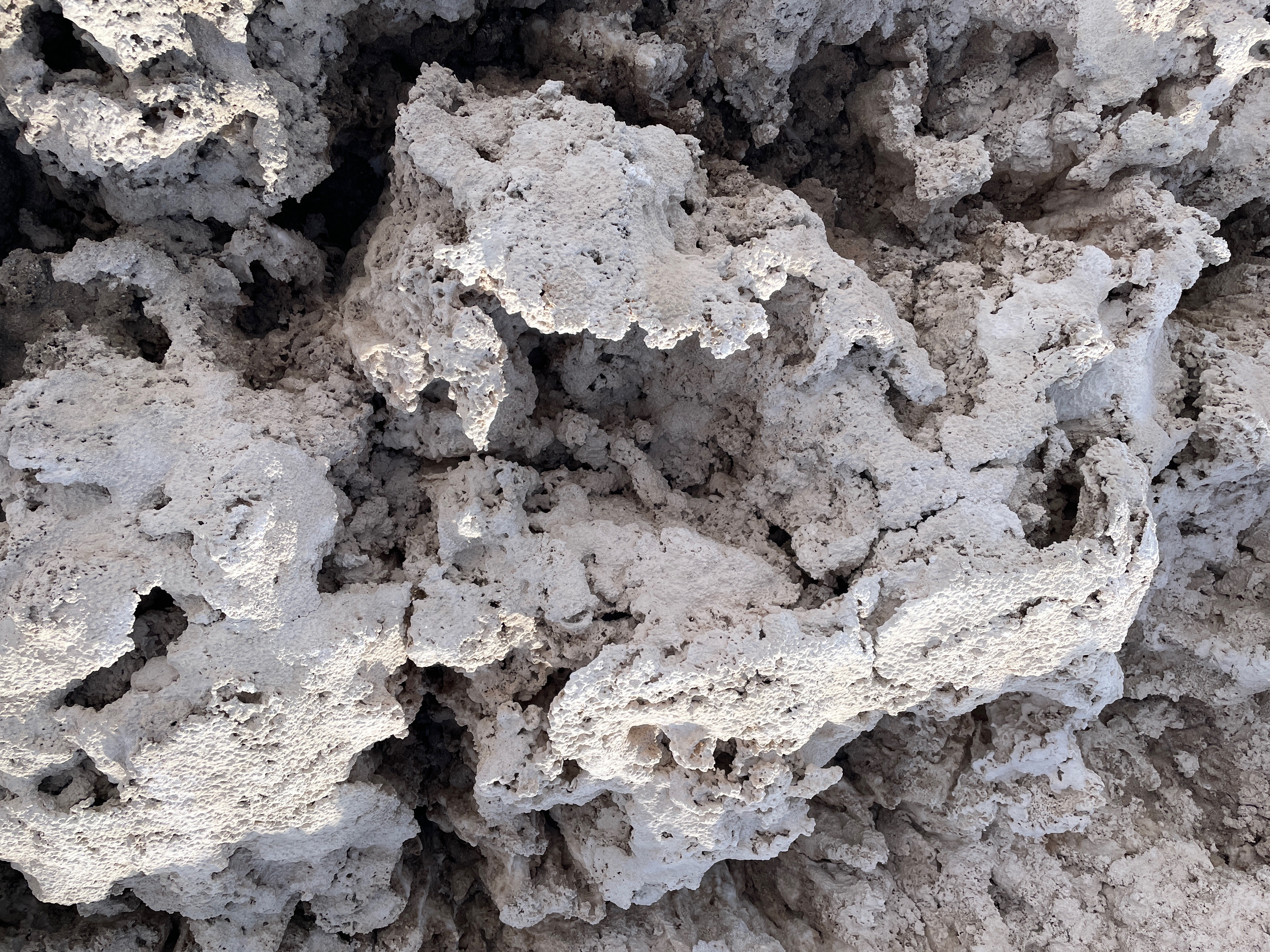
Coltan mine in the Democratic Republic of the Congo
ABOUT
After five years of research and academic experimentation, we return to the question that first brought us here: What is Postnature? This seminar invites participants to revisit the foundational questions and frameworks of our research platform, offering an opportunity to reflect on its core approach and underlying concerns. Designed for anyone engaging with ecology today—whether from art, design, philosophy, science, technology, or other disciplines—the seminar provides essential tools and conceptual frameworks for postnatural thinking.
WHAT IS POSTNATURE?
In a time marked by ecological crises, technological interventions, and multispecies entanglements, Postnature challenges conventional binaries between nature and culture, proposing alternative ways of understanding life, matter, and relational responsibility. By bringing together ecological, material, and sonic perspectives, the seminar offers a comprehensive introduction to postnature as both a theoretical inquiry and a field of practice.
Participants will explore how human and non-human, natural and synthetic, visible and invisible forces co-constitute one another, and how contemporary practices—from artistic interventions to listening technologies—engage with these complex entanglements. The seminar encourages critical reflection on ethics, politics, aesthetics, and speculative futures, fostering new ways of inhabiting, listening to, and caring for our shared planet.
This seminar offers an accessible introduction with conceptual tools, case studies, and practical approaches that support critical and creative engagement to postnature. No prior experience in philosophy, ecology, or contemporary theory is required. It is open to participants of all backgrounds and ages—students, researchers, artists, designers, and anyone curious about ecological thinking and postnatural perspectives.
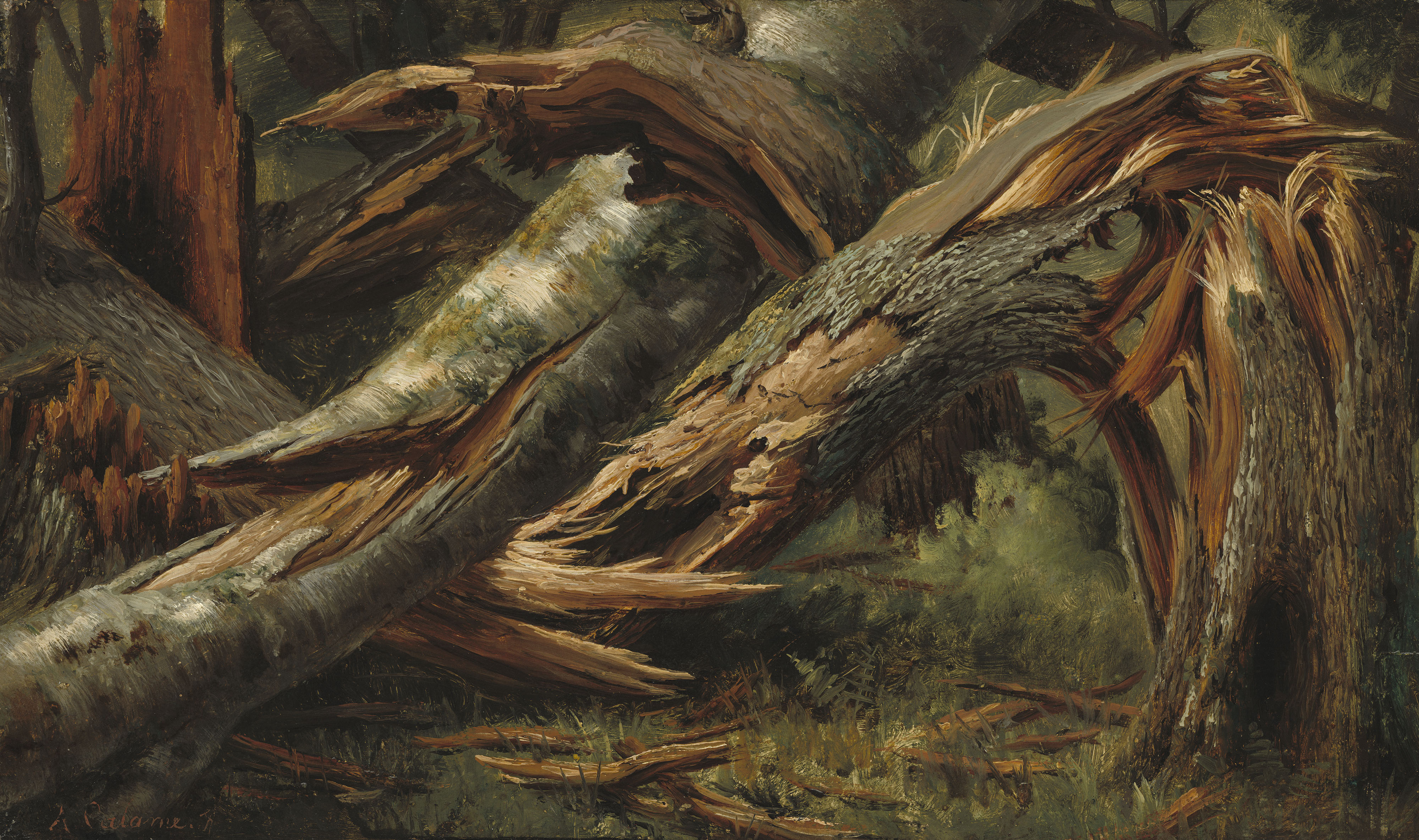
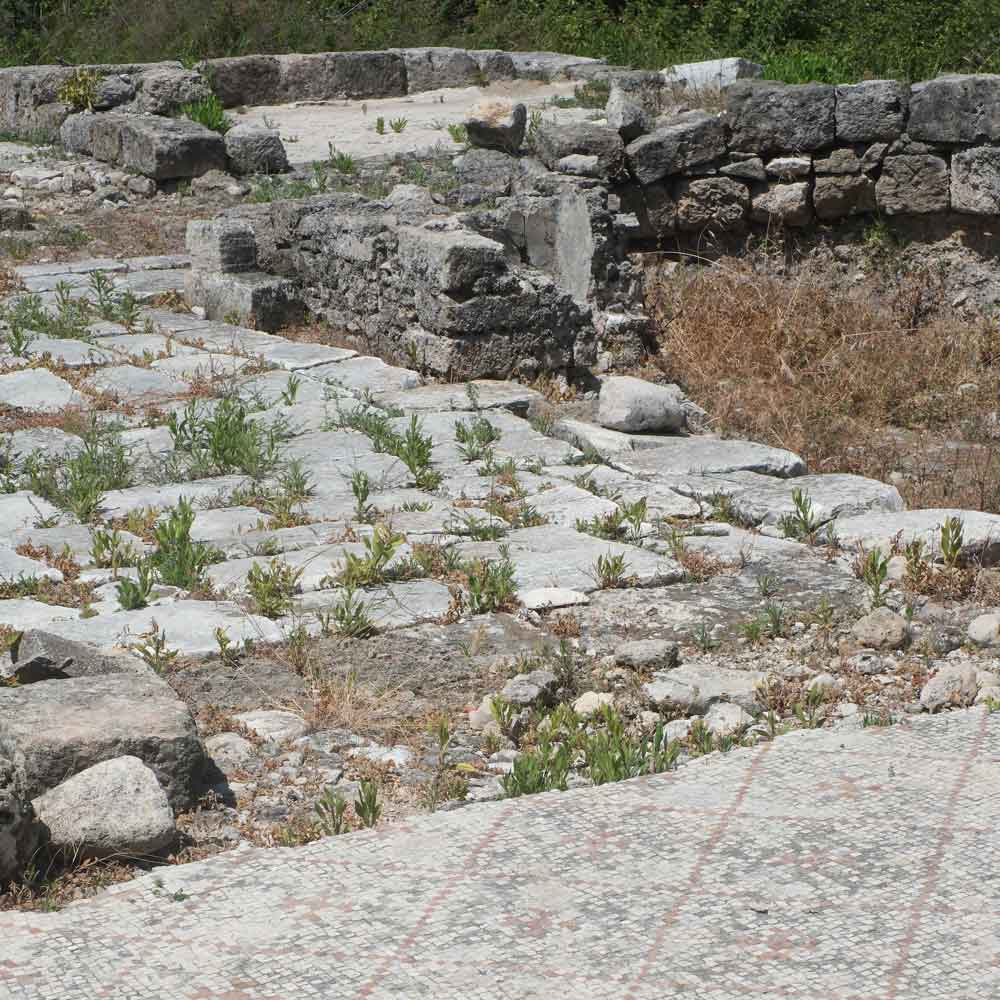
Alexandre Calame, Fallen Tree (1839)
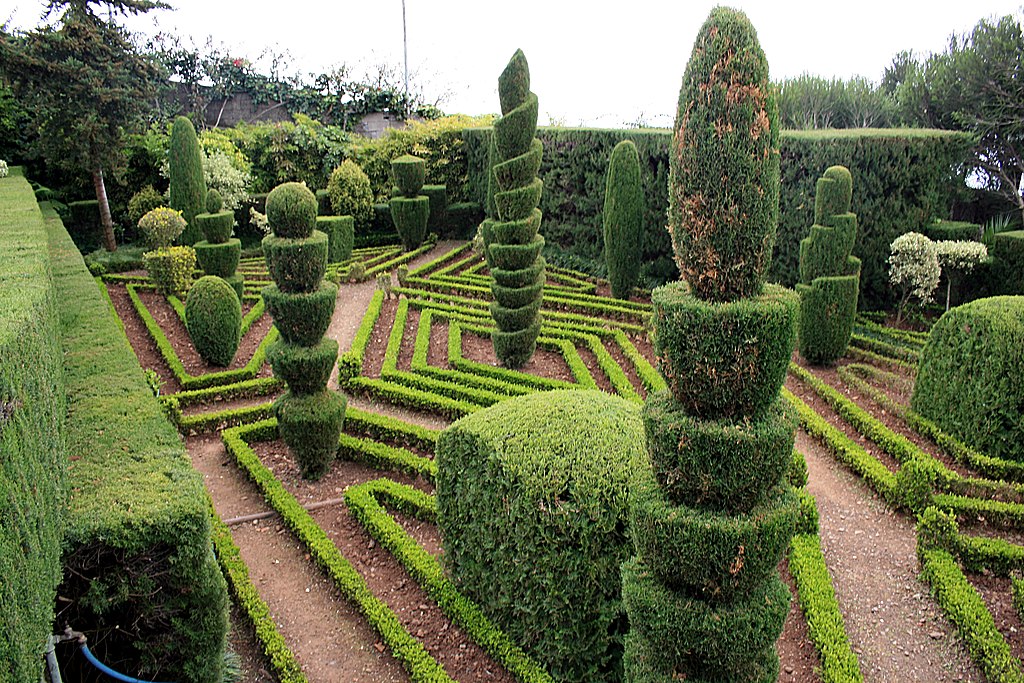
Topiary in botanical garden in Funchal (Portugal)
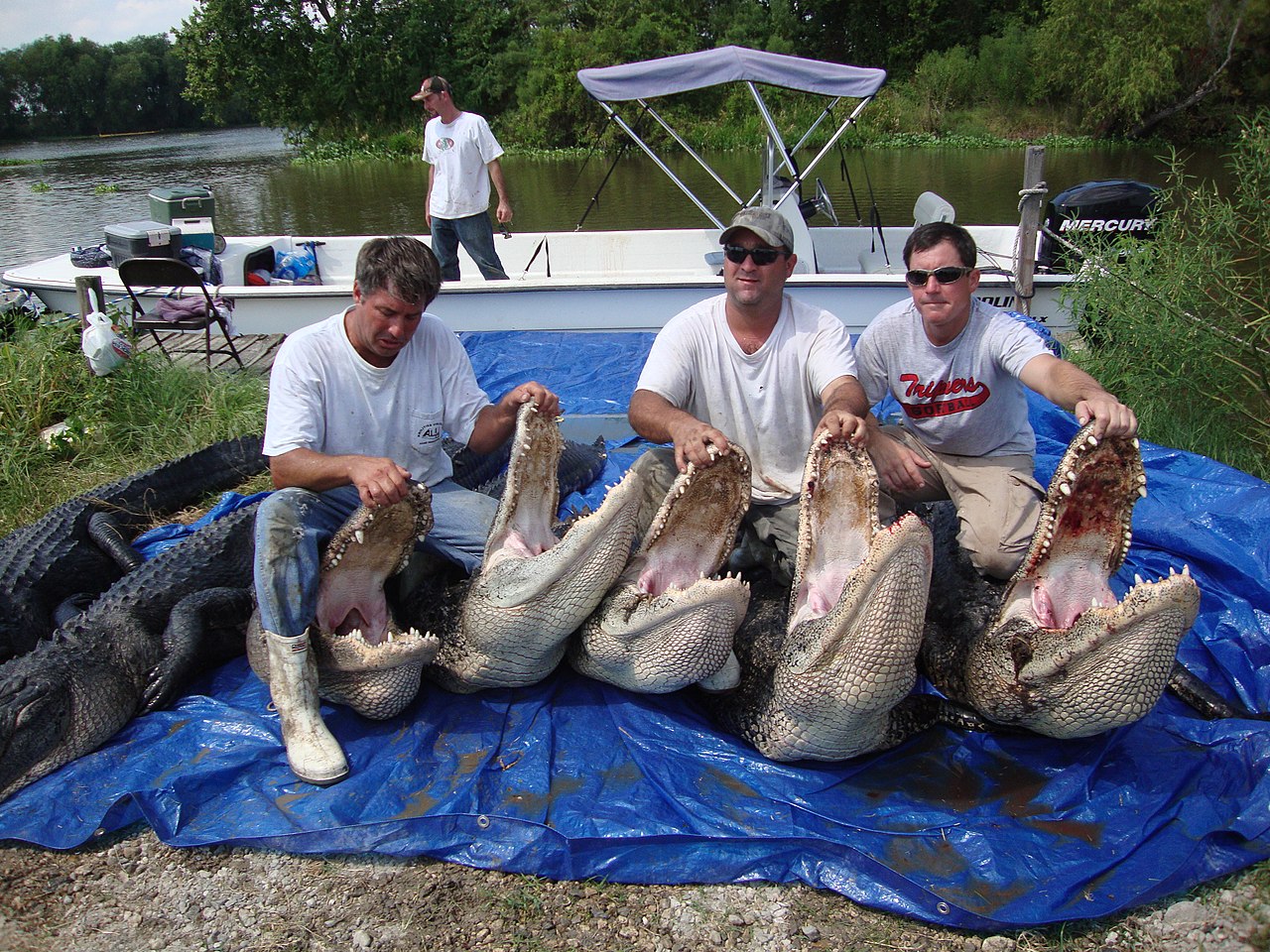
Crocodile Hunting in Louisiana
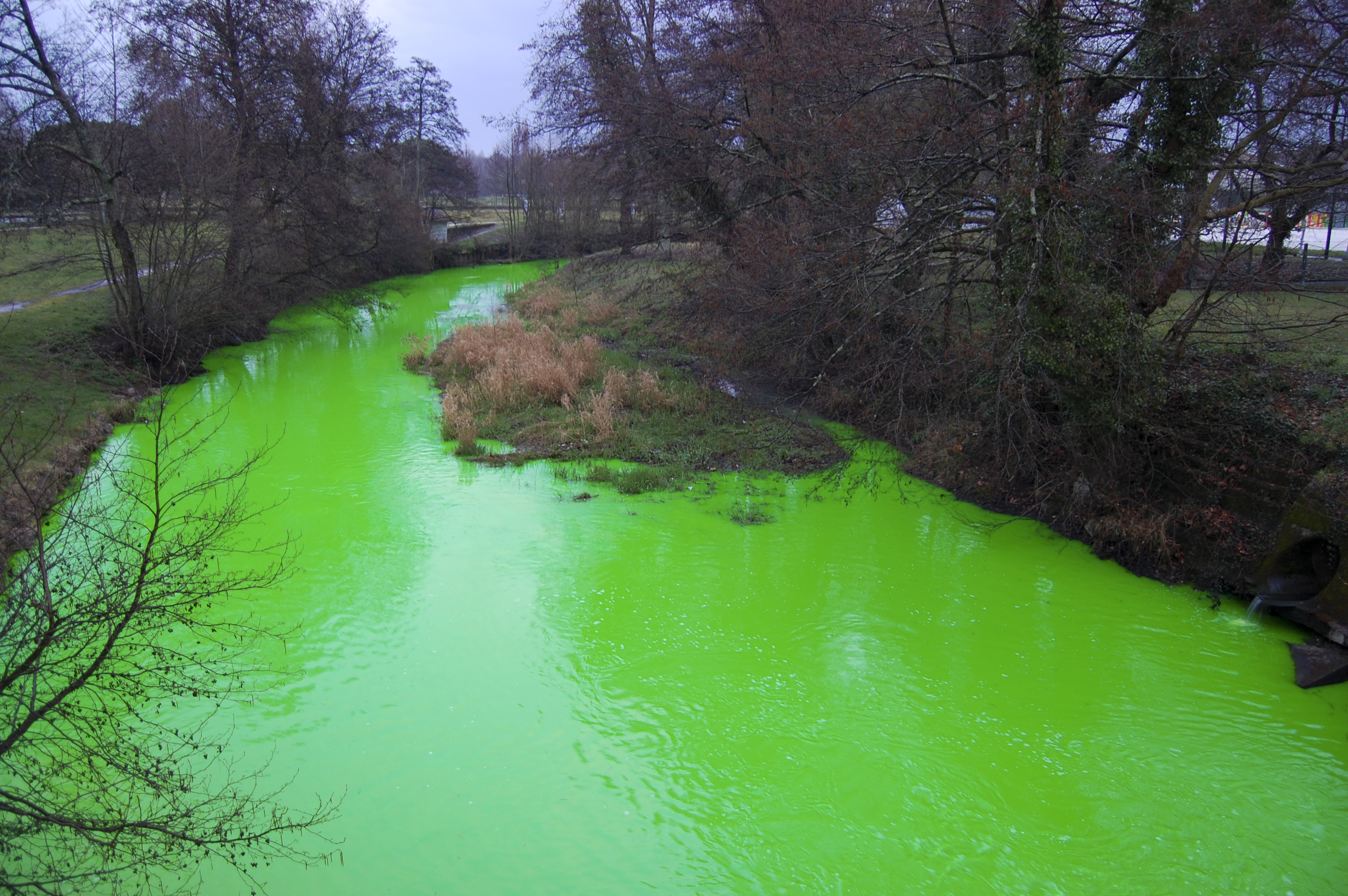
Water-soluble dye used to trace the currents
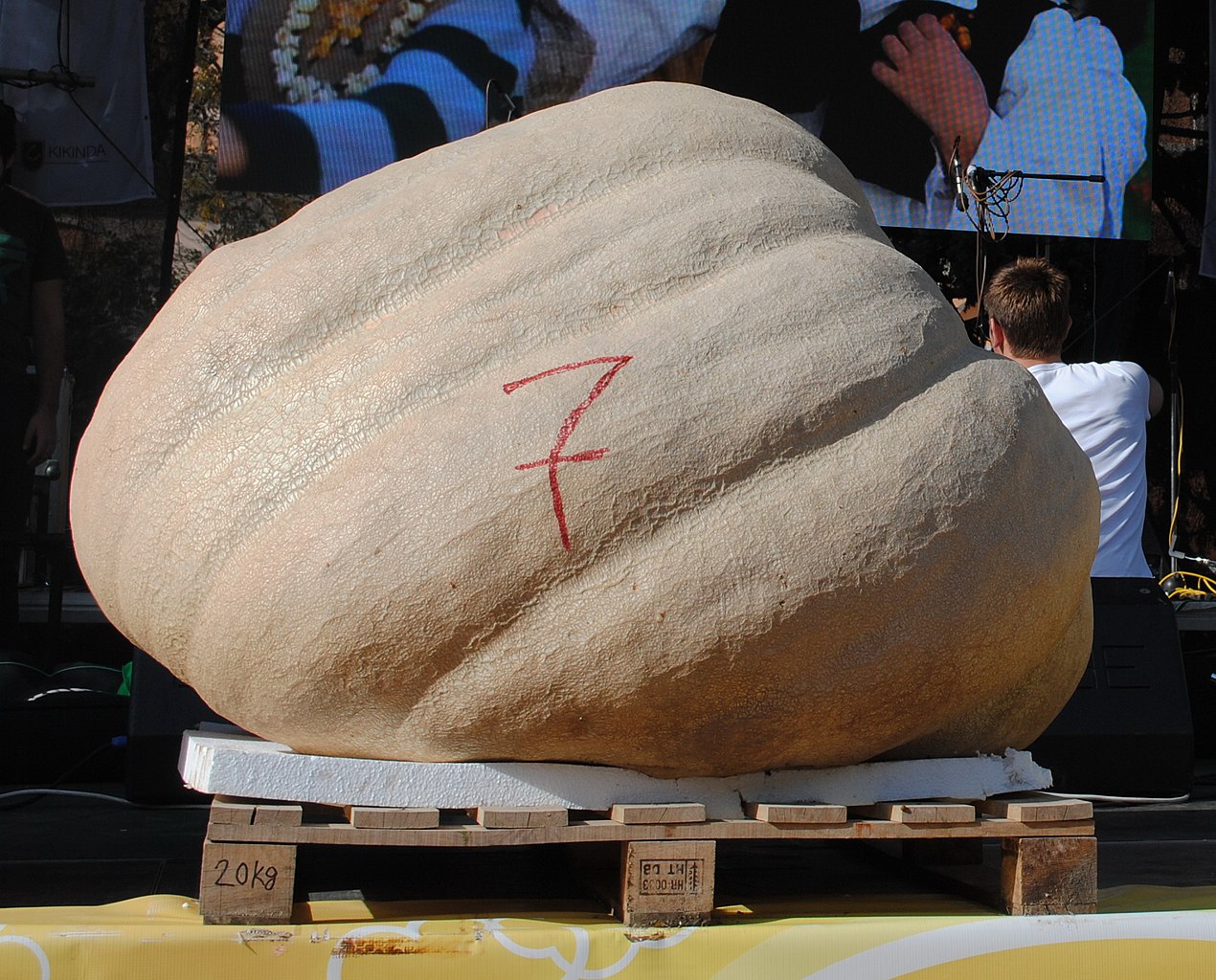
A Giant Pumpkin of 507kg
SESSIONS
Session I – Genealogies of Postnature: Decentering the Human
14 / 04 / 2026
How would our understanding of the world change if humans were not the center of ecological thinking? Can thinking about postnature reshape the way we inhabit and care for our environment?
This session introduces the conceptual and philosophical foundations of postnature as a mode of ecological thinking that challenges human-centered worldviews. It explores narratives and frameworks that blur the boundaries between culture and nature, inviting participants to rethink established assumptions about the living world. Through an examination of interspecies relationships, postnatural matter, and more-than-human agencies, the session addresses the ethical and political implications of decentering the human within ecological thought.
Session II – From the Anthropocene to the Antrobscene: Material implications in the contemporary ecological debate
21 / 04 / 2026
How do pollution and toxic byproducts alter the relationships between humans and the more-than-human world? How does thinking beyond the Anthropocene help us imagine more ethical futures? Can understanding matter as active and relational change our approach to environmental responsibility?
By critically examining dominant interpretations of the Anthropocene and introducing alternative terminologies and approaches—both theoretical and material—this session invites participants to imagine more desirable future worlds. It focuses on the material consequences of human activity, particularly how waste, pollution, and toxic byproducts have become defining components of Earth’s ecosystems. Drawing on ecological philosophy, material culture studies, and environmental justice, the session examines the ethical, social, and material implications of living in an era in which human-generated waste and contamination are reshaping the planet’s future.
Session III – Sound Ecologies: Listening Beyond the Human
28 / 04 / 2026
What do the sounds of the environment tell us about ecological change and human impact? Can sound be a tool for empathy and ethical care toward our shared ecosystems? How might interspecies communication and digital ethics challenge human-centered ways of knowing and listening?
This session focuses on the sonic dimension of postnature, from field recordings and interspecies communication to acoustic contamination and sonic activism. Active listening is presented as a practice of ecological and cultural care, enabling participants to expand awareness of multispecies worlds and challenge human-centered perceptions of sound and environment.
Session IV – Multispecies Futures - Desirable presents
05 / 05 / 2026
What does it mean to imagine futures where humans are not the only protagonists? How do artistic practices present us with new relational modes with the other-than-human? Which cultural and ecological considerations should shape the futures we want to inhabit?
This session fosters imaginative, cultural, and ecological approaches to coexistence and relational care through a queer ecology lens. Disrupting normative ways in which humans relate to their environments can open pathways to radical forms of engagement with the other-than-human and inspire real-world change today. Speculating on new relational modes invites us to reconsider whose futures and presents are imagined, desired, and sustained
BIBLIOGRAPHY
-
01.
Abram, David. The Spell of the Sensuous: Perception and Language in a More-Than-Human World. 1996.
-
02.
Barad, Karen. Meeting the Universe Halfway: Quantum Physics and the Entanglement of Matter and Meaning. Durham: Duke University Press, 2007.
-
03.
Bennett, Jane. Vibrant Matter: A Political Ecology of Things. Durham: Duke University Press, 2010.
Clark, Nigel, and Kathryn Yusoff. “Geosocial Formations and the Anthropocene.” Theory, Culture & Society 34, no. 2–3 (2017): 3–23. -
04.
Davis, Heather. “Toxic Progeny: The Plastisphere and Other Queer Futures.” A Journal of Continental Feminism 5, no. 2 (2015).
-
05.
de la Cadena, Marisol. Earth Beings: Ecologies of Practice across Andean Worlds. Durham: Duke University Press, 2015.
-
06.
Helmreich, Stefan. Alien Ocean: Anthropological Voyages in Microbial Seas. Berkeley: University of California Press, 2009.
-
07.
Mbembe, Achille. Necropolitics. Durham: Duke University Press, 2019.
-
08.
Nixon, Rob. Slow Violence and the Environmentalism of the Poor. Cambridge, MA: Harvard University Press, 2011.
-
09.
Parikka, Jussi. A Geology of Media. Minneapolis: University of Minnesota Press, 2015.
-
10.
Tsing, Anna Lowenhaupt. The Mushroom at the End of the World: On the Possibility of Life in Capitalist Ruins. Princeton: Princeton University Press, 2015.
-
11.
Tsing, Anna Lowenhaupt, Heather Swanson, Elaine Gan, and Nils Bubandt, eds. Arts of Living on a Damaged Planet: Ghosts and Monsters of the Anthropocene. Minneapolis: University of Minnesota Press, 2017.
-
12.
Yusoff, Kathryn. Billion Black Anthropocenes or None. Durham: Duke University Press, 2024.
-
13.
Clark, Nigel, and Kathryn Yusoff. “Geosocial Formations and the Anthropocene.” Theory, Culture & Society 34(2–3), 2017.
-
14.
Wark, McKenzie. Sensoria: Thinkers for the Twenty-First Century. 2020.
-
15.
Mitchell, Larry. The Fags and Their Friends Between Revolutions. 1977
-
16.
Schafer, Murray. The Soundscape: Our Sonic Environment and the Tuning of the World
-
17.
Butler, Octavia. The Xenogenesis Trilogy. 1987-1989
-
18.
Mustill, Tom. How to Speak Whale. 2023
FACULTY
-
GABRIEL ALONSO

Gabriel Alonso. Born in Madrid, he is an artist and researcher, trained between the ETSAM (Madrid), the Technische Universität (Berlin), and Columbia University in New York at the MS-CCCP, where he graduated with honors in 2018. In his works, through various formats such as installation, sculpture, photography, or video, he investigates the contemporary relationships between fiction and materiality, to blur the binomials between the real and the imagined, between the natural and the cultural. In 2020 he founded the Institute of Postnatural Studies. Recently, he has published his latest book, The Postnatural Condition: Glossary of Ecologies for Other Possible Worlds (2024). He has been an assistant professor at Barnard College, Columbia University (NYC) and at the Master of Advanced Architecture at ETSAM, at the Geneva University of Art and Design head, as well as at TAI University, and has given several lectures at different international institutions, museums, and universities. In 2022, he received a FAD-Cultura award for the IPS platform. In 2015, he received the FAD award for his publication Desierto, and in 2016, he was awarded one of the prestigious Graham Foundation for the Fine Arts fellowships.
-
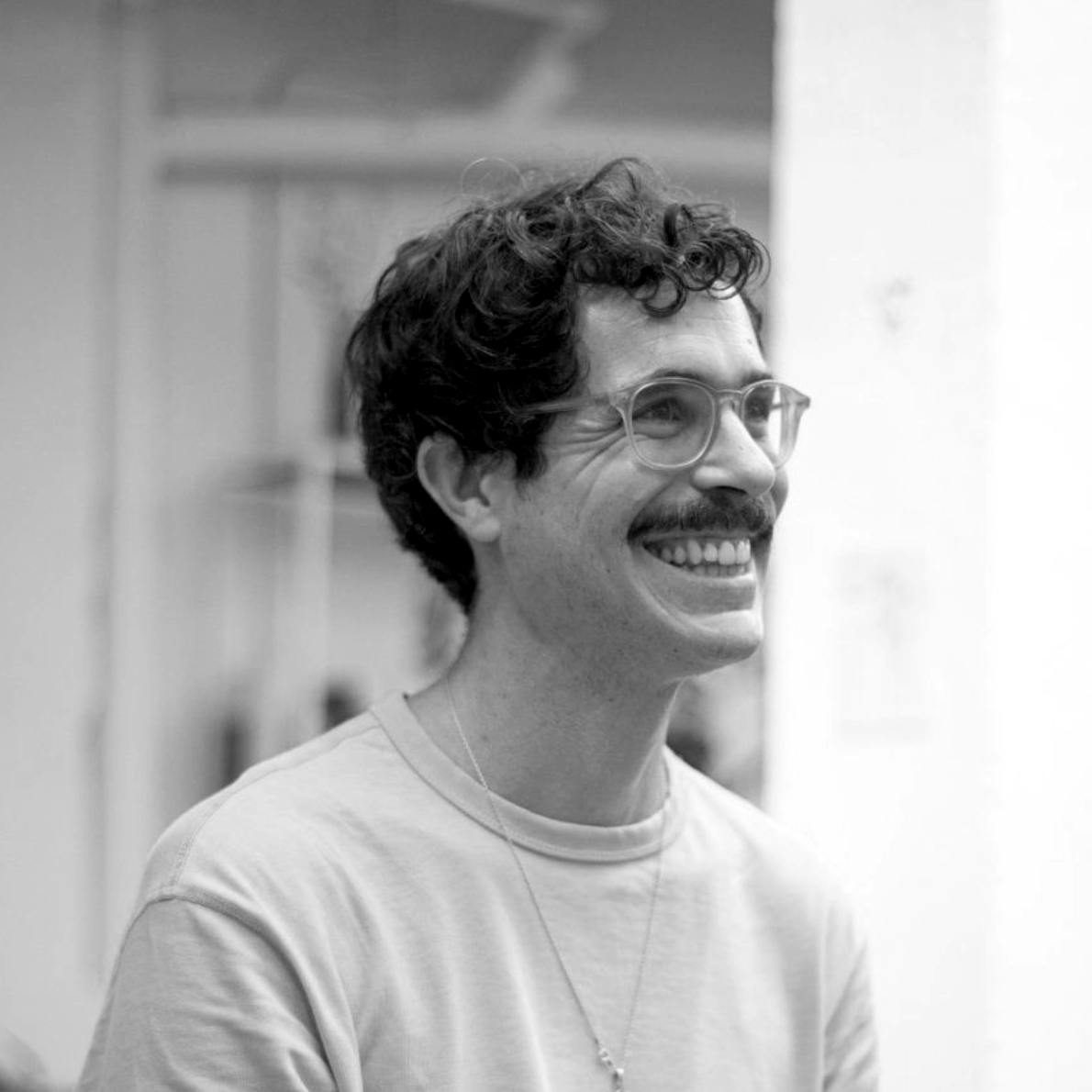
YURI TUMA
Yuri Tuma (1983, Brazil) is Co-Director and Faculty of PIP. His practice focuses on the investigation of contemporary narratives related to sonic and queer ecologies through collective healing practices, active listening, sound art, installation, and performance. In early 2020, he co-founded the Institute for Postnatural Studies (IPS) in Madrid, a platform for critical thought and a collaborative network of artists, researchers, curators, and thinkers engaged with the complexities of the ecological crisis. In addition to participating in residencies and coordinating workshops around interspecies kinships and sound ecologies, Yuri has worked with educational and mediation programs at Spanish and international institutions such as Museo Nacional Centro de Arte Reina Sofía, Matadero Madrid, HEAD Géneve, Fundación Mar Adentro, School of Commons, among others. Within IPS, he also actively shapes the editorial route of Cthulhu Books, an editorial platform to showcase the political potential of imagining new worlds and possible stories for the planet through academic and artistic research.