ALTERNATIVE ECOLOGIES POSTGRADUATE PROGRAM
GENERAL INFO
- DATES
-
From September 14th, 2026 to June 6th, 2027
- APPLICATIONS
-
Period Closed
- FORMAT
-
Hybrid. Online sessions and 3 in-person encounters
- LANGUAGE
-
English
- SCOLARSHIPS
-
Limited opportunities available. See details below.
ABOUT
Alternative Ecologies (ALT—ECO) is an independent postgraduate program dedicated to exploring how contemporary artistic practices can critically and imaginatively engage with ecology under present planetary conditions. Conceived as a hybrid learning ecosystem, the program brings together online laboratories, individual and collective artistic production, critical study, and three intensive in-person encounters. It fosters sustained experimentation across physical and digital contexts, encouraging participants to develop practices that are responsive to complex ecological realities.
Hybrid Learning / Artistic Practice as Research
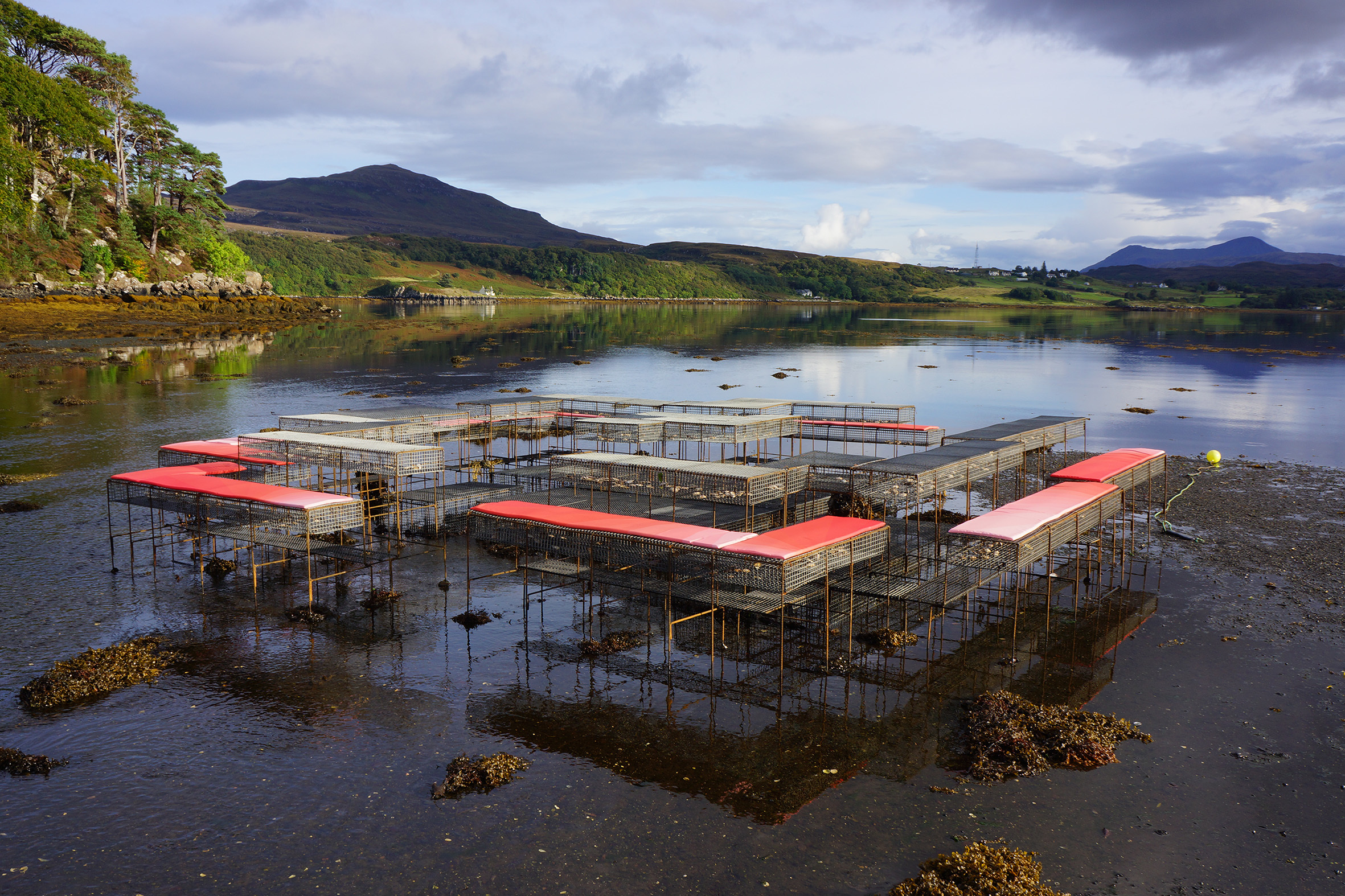
Climavore, Skye. Cooking Sections.
CONCEPTUAL FRAMEWORK
ALT—ECO understands ecology not as a theme to be represented, but as a living, relational, and temporal practice. Participants are invited to rethink how art is made, circulated, mediated, and sustained within complex social, technological, and environmental systems. The program attends not only to artistic methodologies, but also to the infrastructures that shape artistic life: exhibition-making, transport, digital mediation, institutional frameworks, and economies of visibility.
Responding to a world marked by acceleration, overexposure, and enforced connectivity, ALT—ECO proposes proximity and distance as ethical, political, and aesthetic tools. Proximity is approached as a practice of care rather than immediacy; distance as a generative condition for responsibility, imagination, and respect. Through hybrid formats, telepresence, embodied mediation, and collective experimentation, participants explore how relations are sensed, negotiated, and sustained across space and time.
Grounded in postnatural, posthuman, ecofeminist, and decolonial practice, the program positions artistic practice as a form of inquiry. Moving from research about ecology toward ecology as practice, ALT—ECO foregrounds practice-led research, where artistic experimentation itself generates knowledge, concepts, and material understanding.
ALT—ECO treats ecology not as a subject, but as a method—transforming how art is produced, circulated, and sustained.
FOR WHOM
The program is open to artists, designers, researchers, and practitioners working across contemporary fields of artistic and cultural production. Applicants may come from backgrounds including visual arts, performance, sound, writing, theory, architecture, cinema, choreography, design, science, or other relevant disciplines.
ALT—ECO welcomes participants at different stages of their practice — emerging, mid-career, or established — who demonstrate a strong engagement with artistic research and a willingness to work experimentally. The programme values diverse trajectories and forms of knowledge, recognising that ecological thinking benefits from cross-disciplinary exchange and situated experience. Applicants may enter with a clearly defined project or with the desire to develop new directions through the program’s intellectual and practical ecosystem. What matters most is a commitment to critical inquiry, collaborative processes, and sustained reflection on how artistic practice operates within and alongside ecological conditions. Join a small, carefully selected cohort of 20–25 participants from all around the world.
A space for artists at different stages of practice to engage ecology as a field of critical inquiry, collaboration, and long-term commitment.
IN-PERSON ENCOUNTERS
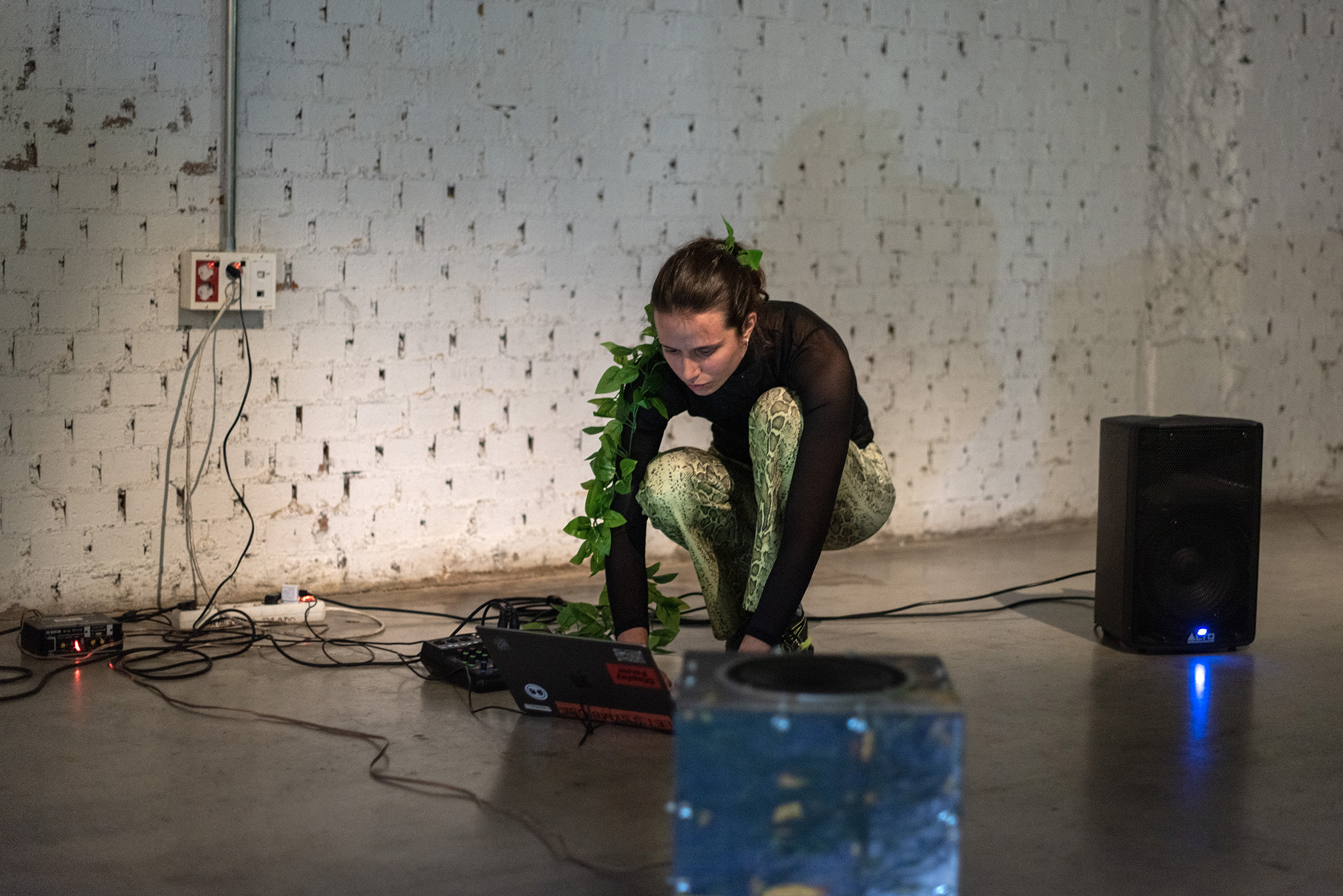
PIP 2023 Presentations at Matadero Madrid
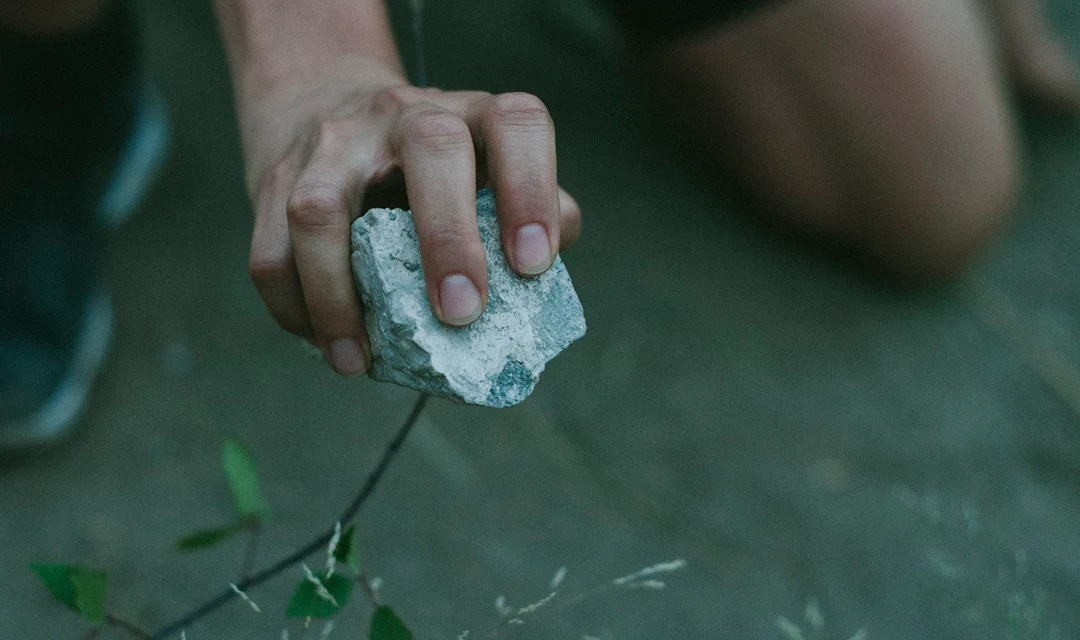
Soft matter, deep time, 2024. Performance in Madrid
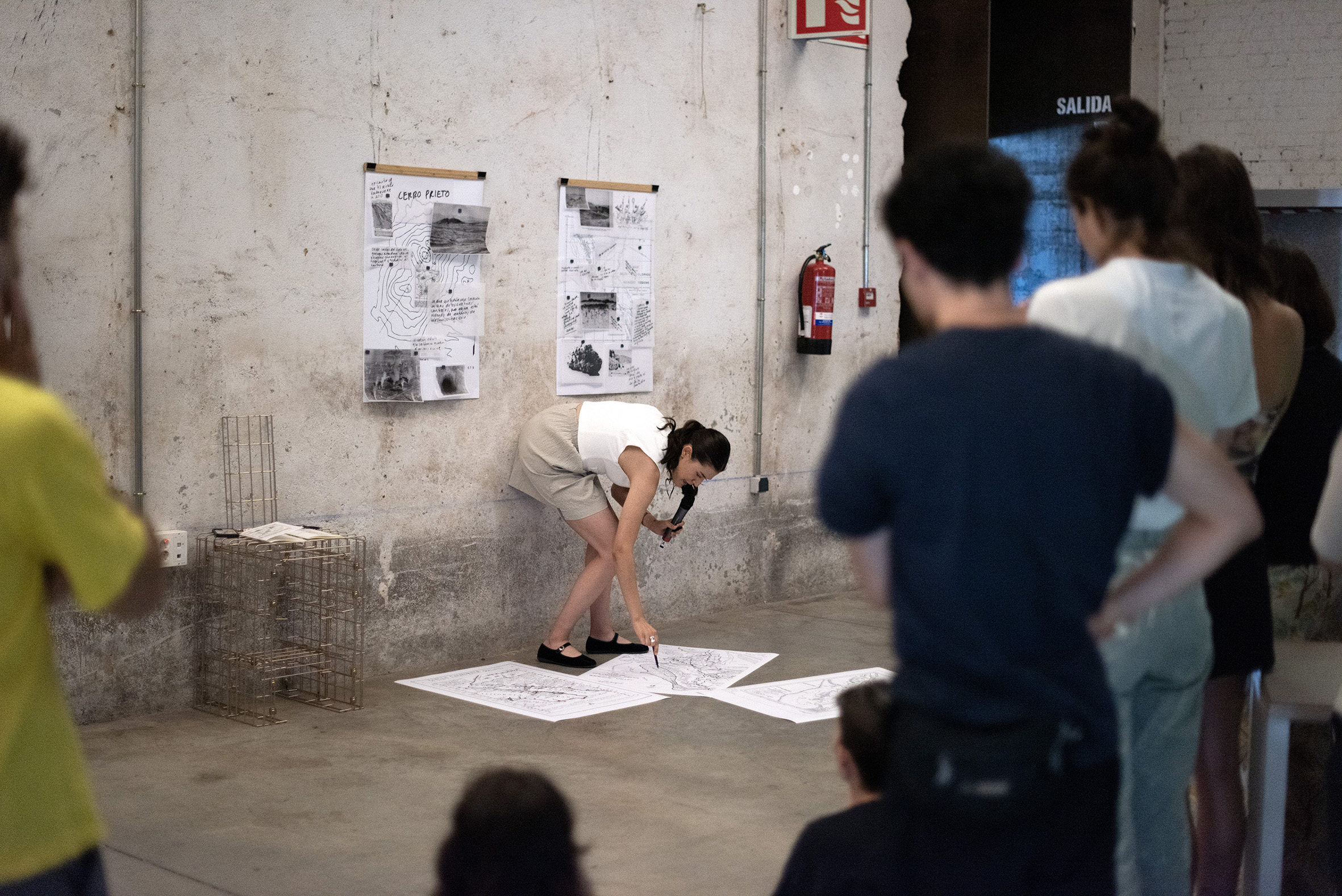
PIP23 Presentations at Matadero Madrid
PROGRAM METHODOLOGY
ALT—ECO is structured around theoretical modules and practice-led research, where artistic practice actively drives inquiry rather than illustrating pre-existing theory. Making, sensing, and experimentation are treated as modes of knowledge production, generating questions, methods, and concepts through the artistic process itself.
The program emphasizes iterative feedback, including peer critique, mentoring, and collective reflection. Learning is situated, emerging from specific contexts, materials, and relationships, while hybrid ecologies integrate online and in-person formats as distinct but interconnected environments. Knowledge is distributed across the cohort, emphasizing collective intelligence, and assessment is formative rather than evaluative, focusing on the evolution of practice, participation, and contributions to shared processes.
Participants engage in material- and process-based inquiry, develop research skills in contemporary theory and ecology, and work with bodies, contexts, and ecological systems through both individual and collective research. Through collaboration, documentation, and experimentation, participants co-create knowledge, develop professional projects into high-quality artworks, and contribute to a collective exhibition and publication.
Learning is delivered through hybrid formats:
Online lectures with leading artists, theorists, and curators.
Collective discussions to reflect, question, and situate projects.
Critiques (crits) for iterative feedback on ongoing work.
Virtual studio visits to engage with artists and practices worldwide.
In-person gatherings for collective research, mentorship, and project development for the exhibition and publication.
By the end of the program, participants will have developed sustained practice-led research, material projects, practical skills, and critical frameworks, as well as the tools to create, document, and present work across ecological, artistic, and institutional contexts.
From distance to proximity. From theory to practice. From ideas to materialities.
IPS PROGRAM'S PREVIOUS EDITIONS
Sensing the Unheard workshop led by Tom Fischer and Simon Williams during the PIP 2025 second In-person Encounter
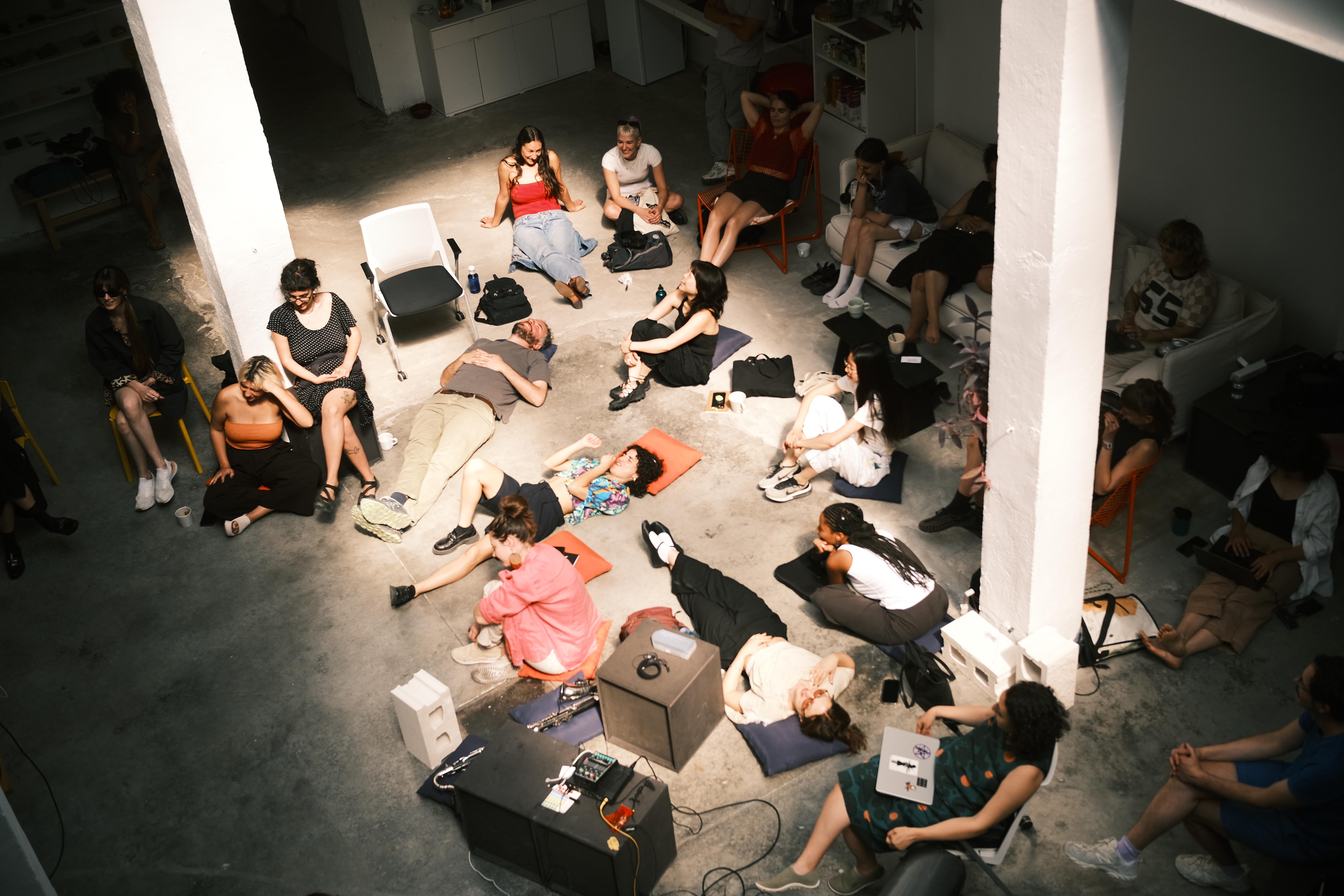
Listening session with Tom Fischer and Simon Williams during the PIP 2025 second In-person Encounter
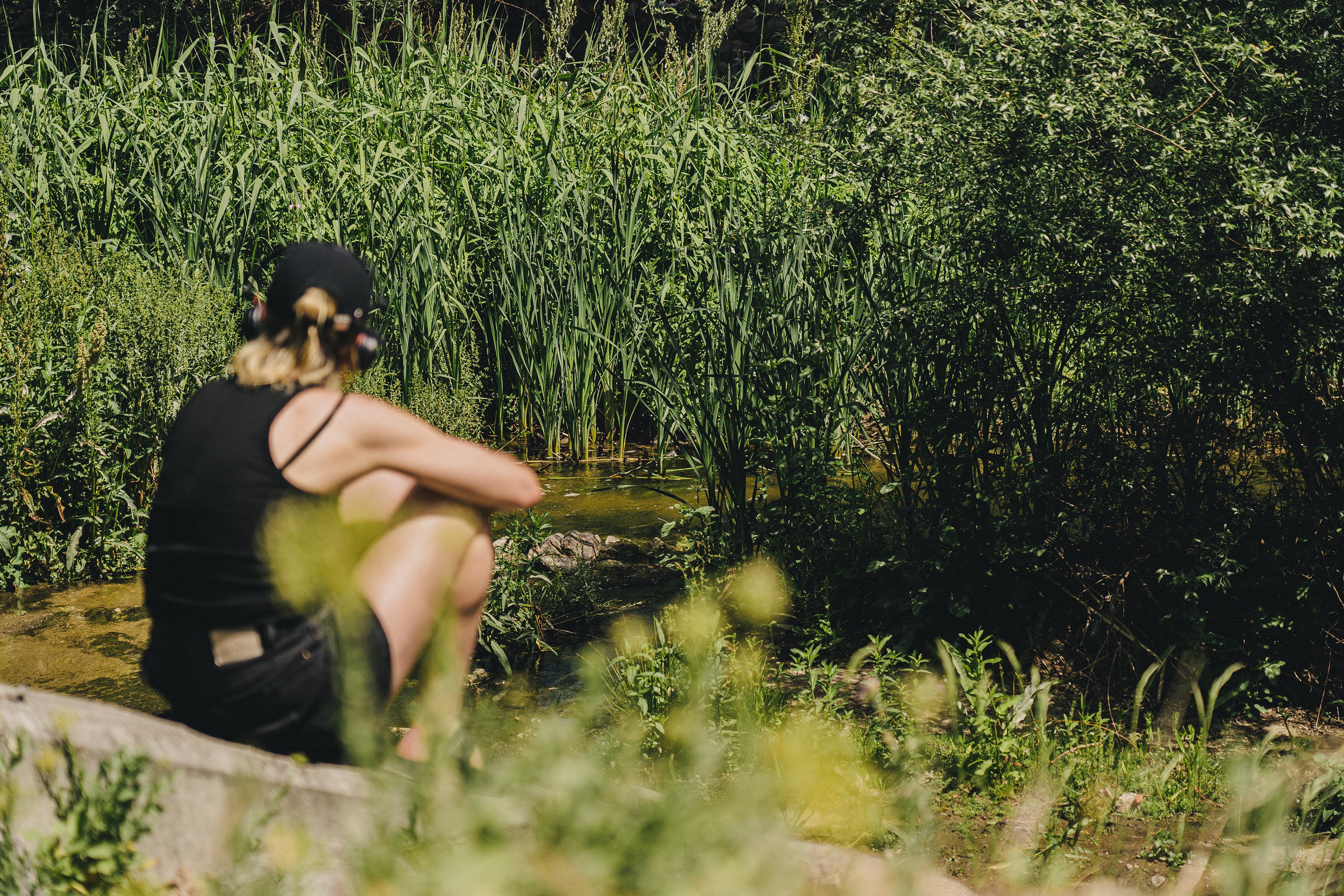
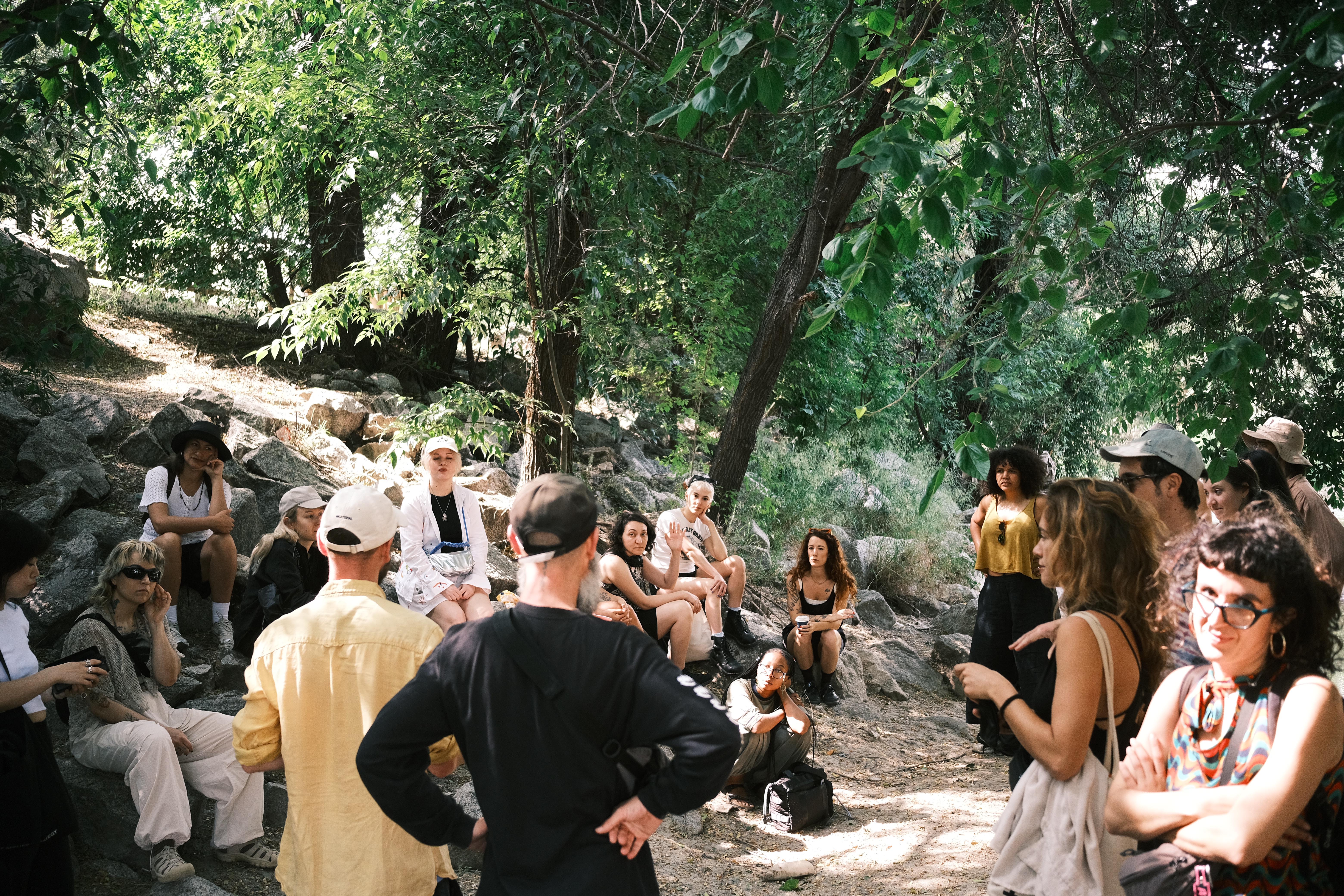
Collective practice Laboratories at the Manzanares river during the PIP 2023 second In-person Encounter. Photo by María Eugenia Serrano
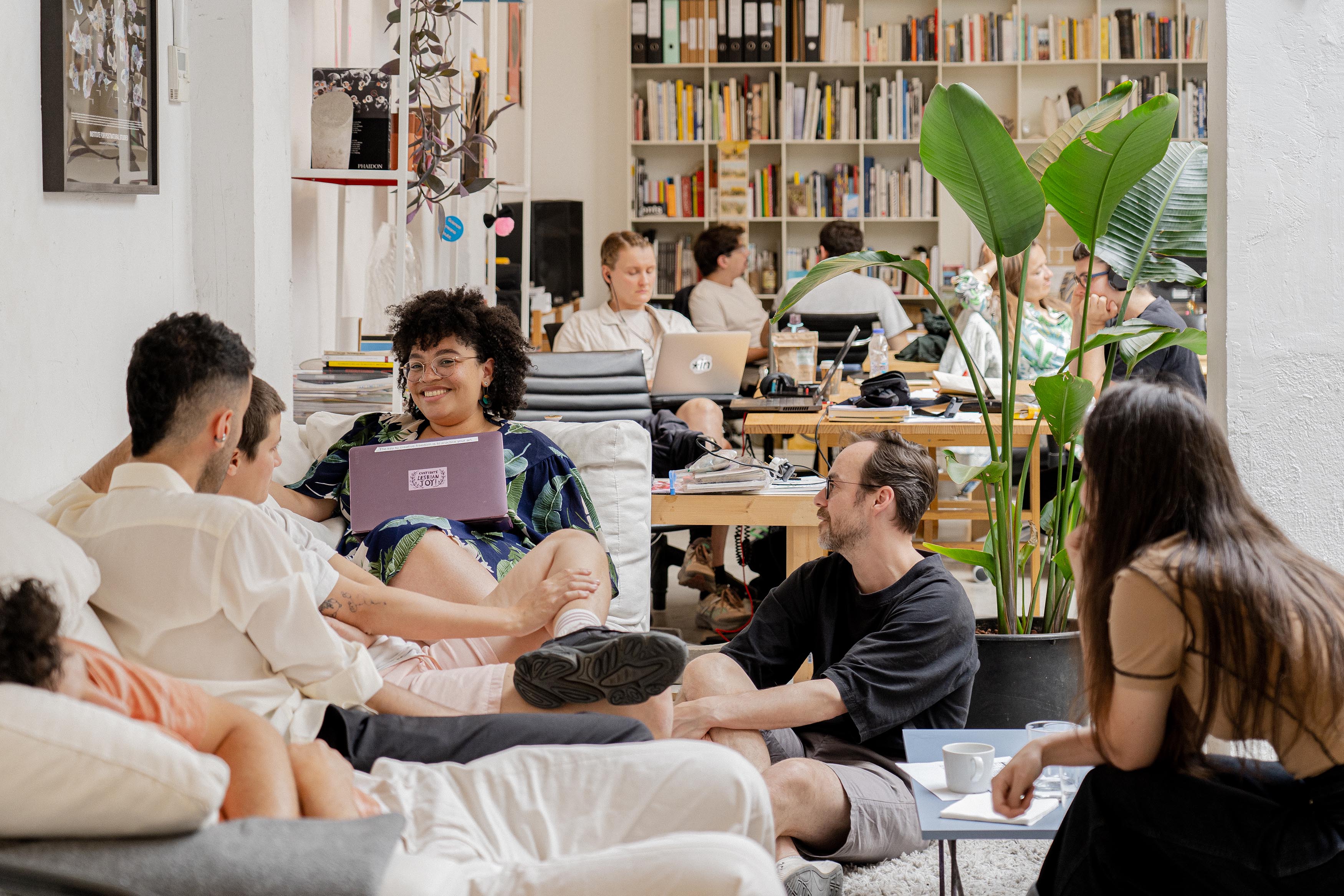
Collective sharing at the IPS headquarters during the PIP 2023 first In-person Encounter. Photo by María Eugenia Serrano
HYBRID LEARNING
The program is organised into three modules, each anchored by a thematic focus and an in‐person encounter. The structure supports a gradual movement from unlearning and sensing, through relational experimentation, toward materialisation, assembly, and public sharing.
3 ONLINE MODULES + 3 IN-PERSON ENCOUNTERS
- 01.
- 02.
- 03.
ENCOUNTERS
The program includes three intensive in-person encounters, providing opportunities for collective research, mentorship, experimentation, and the development of projects for exhibition and publication. These gatherings—while optional—are highly encouraged, offering space for embodied learning, collective practice, field visits, and celebration.
- 01.
- 02.
- 03.
1ST ENCOUNTER AT PERFORMING ARTS FORUM (FRANCE)
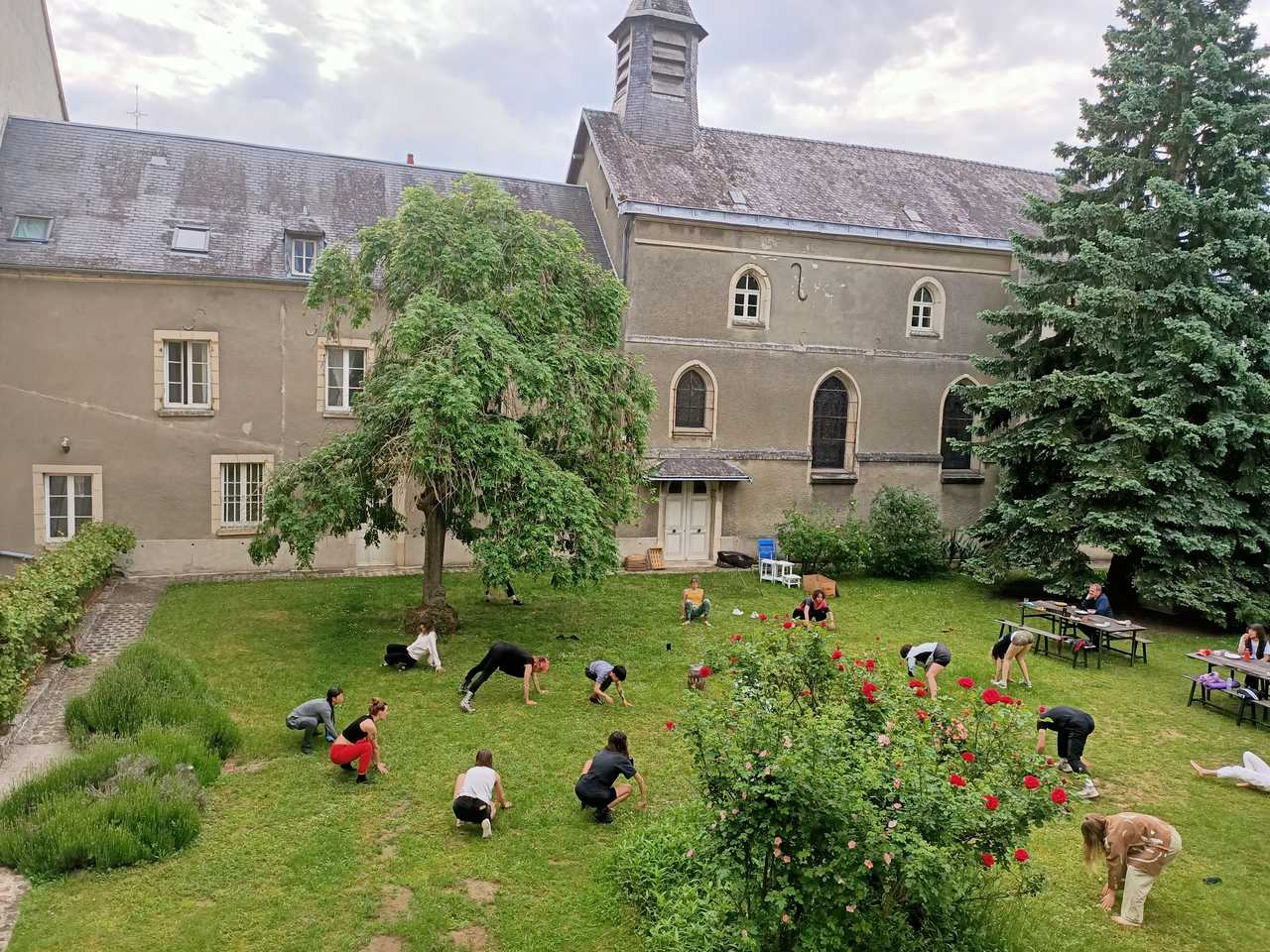
Performing Arts Forum, 2021. Photo Gabrielle Schleijpen
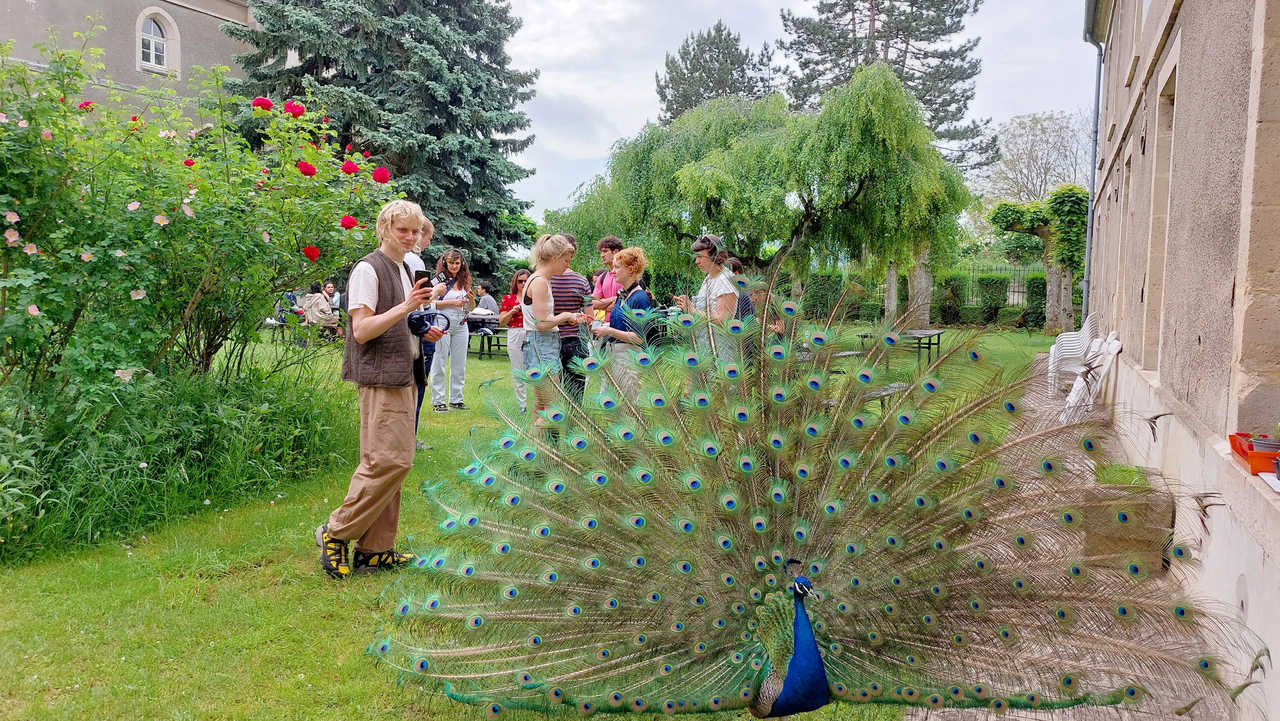
PAF, June 2021. Photo credits- Nikos Doulos
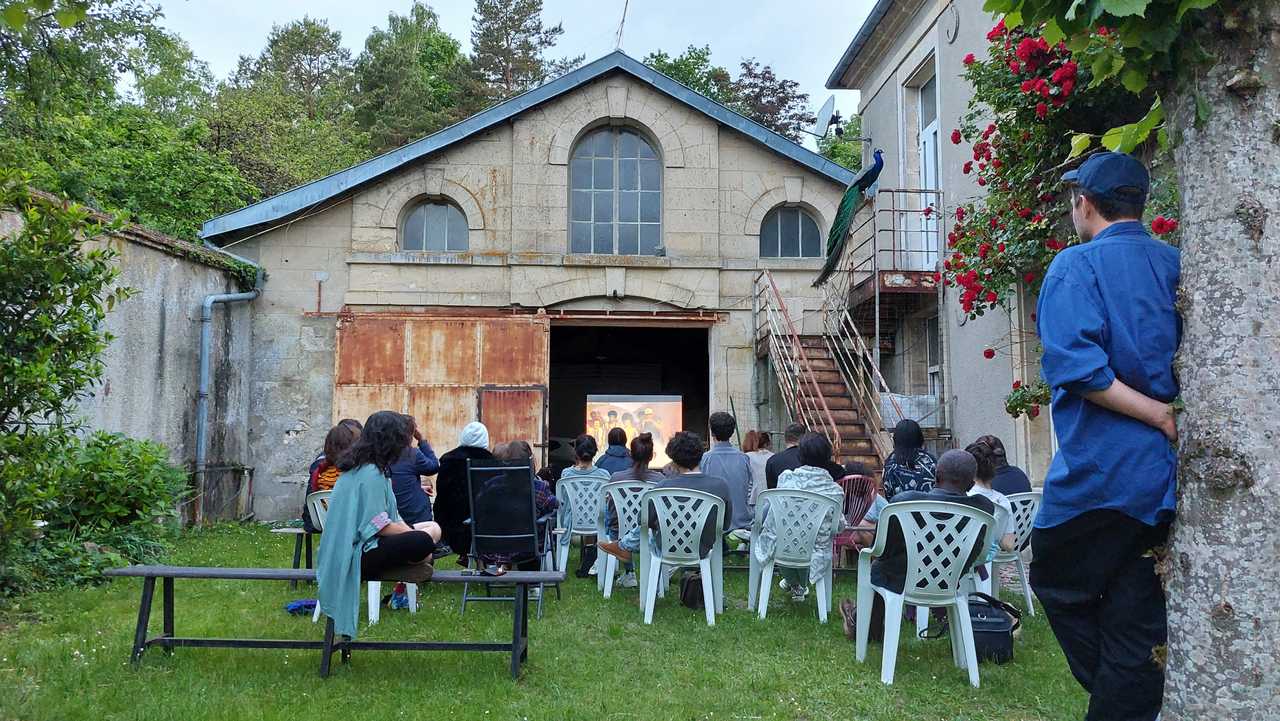
PAF, June 2021. Photo credits- Nikos Doulos
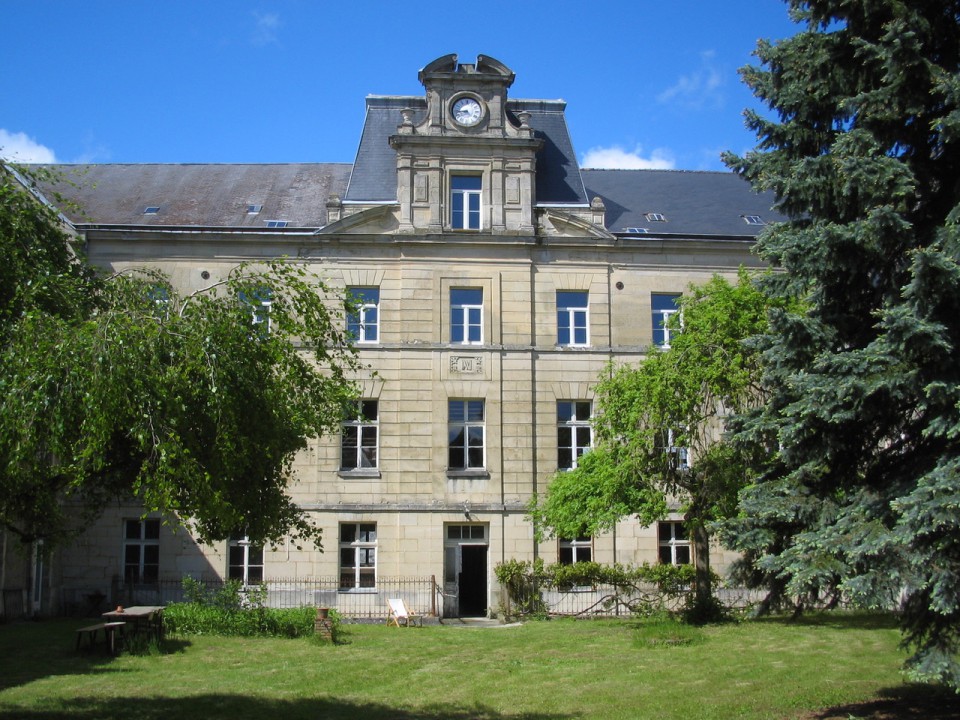
PAF, June 2021. Photo credits- Nikos Doulos
From virtual dialogues to real encounters: STUDIO VISITS, PROJECT CRITICS, CURATORS REVIEWS
VIRTUAL STUDIO VISITS WITH RENOWED ARTISTS
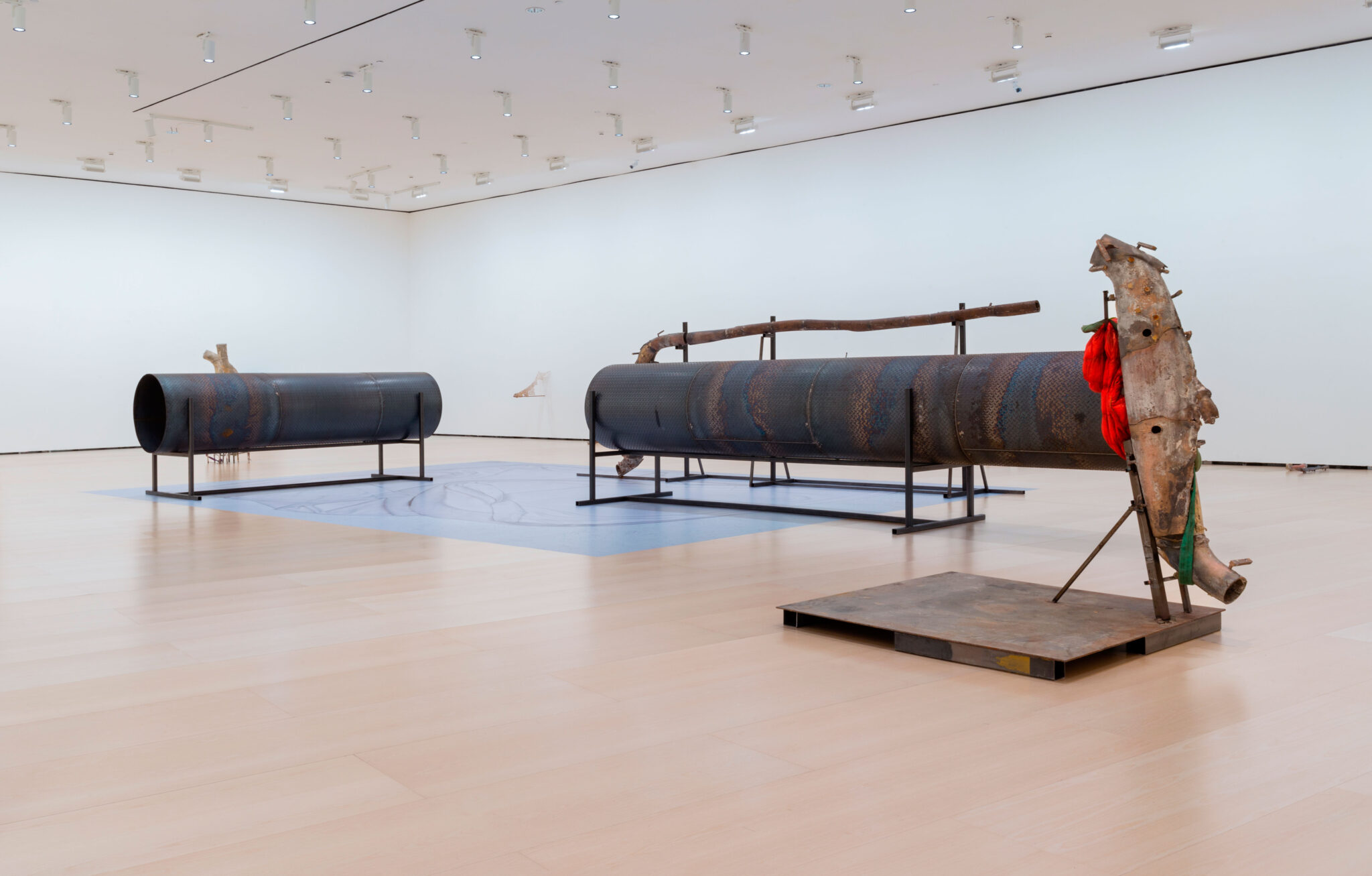
Vascular, June Crespo
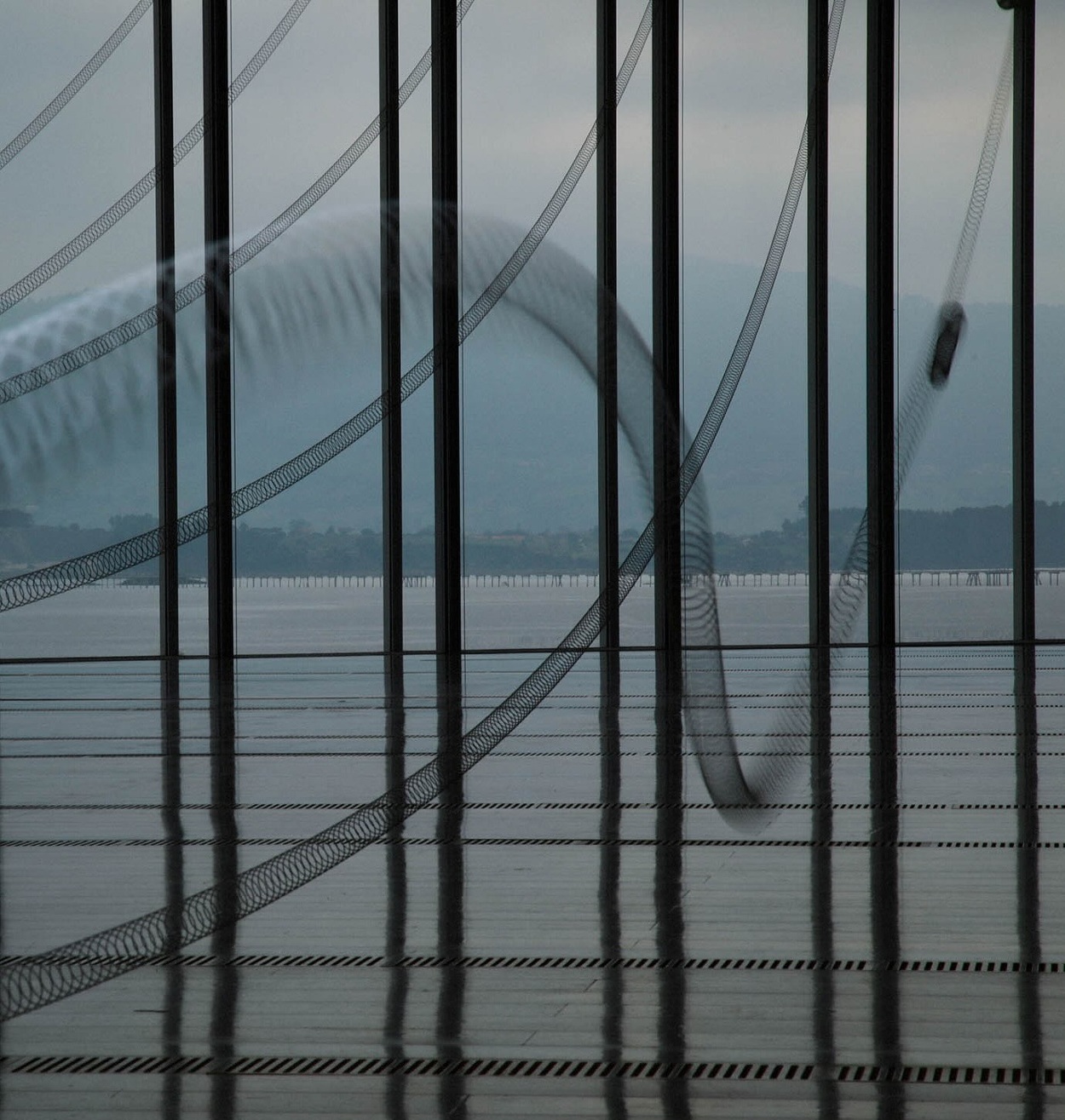
The lost waves, Cooking Sections
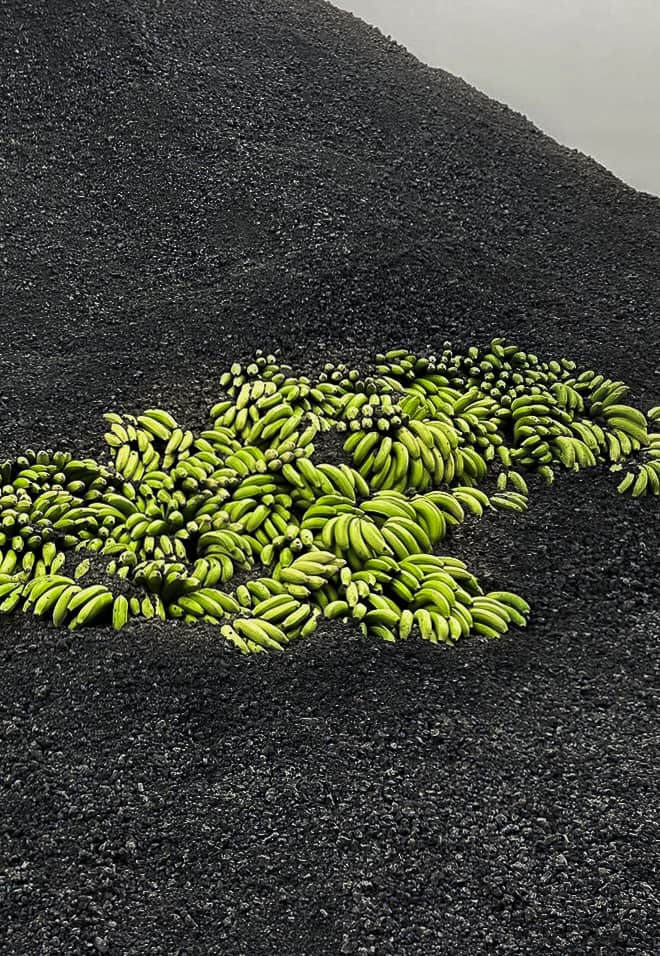
Rafael Pérez Evans
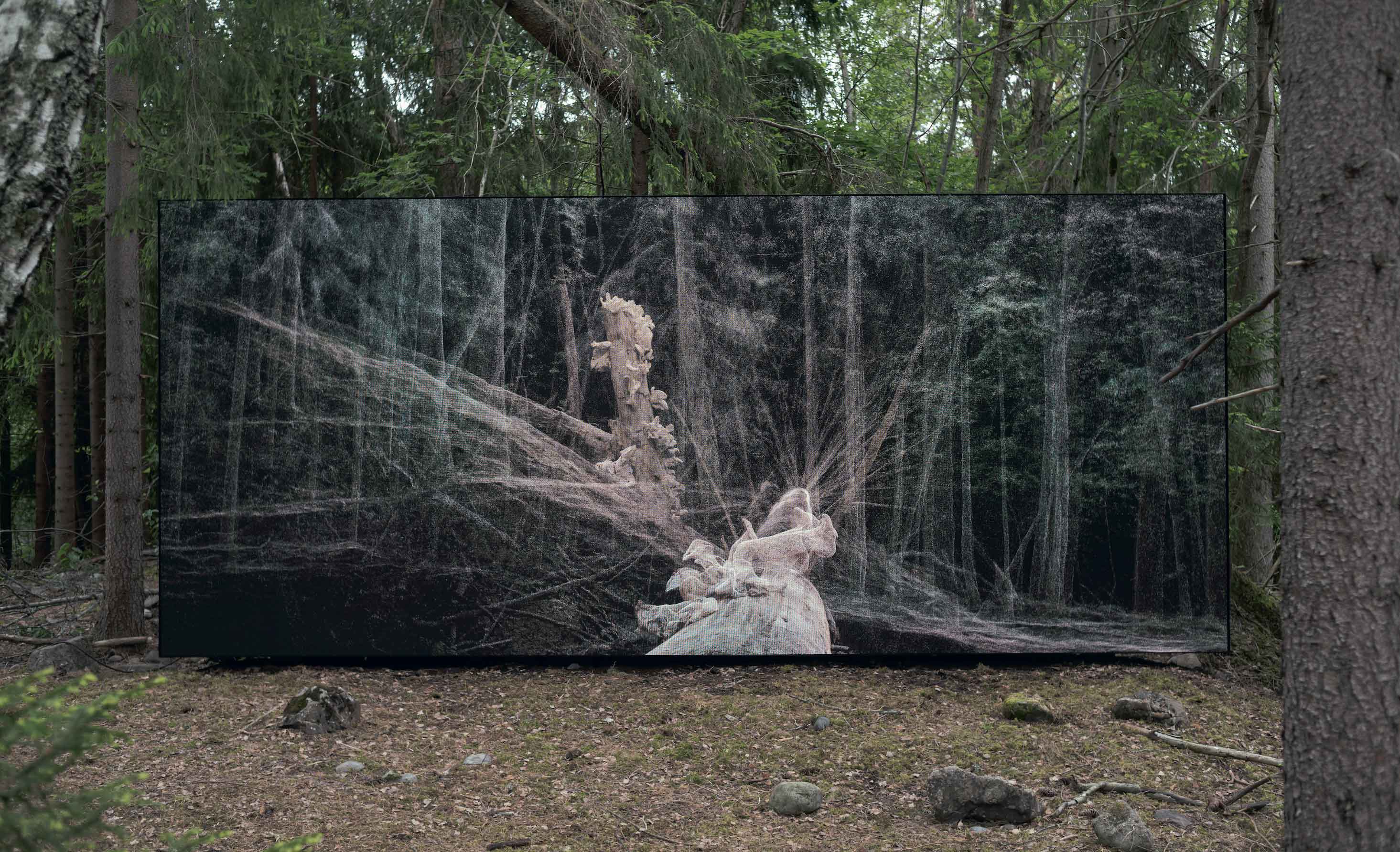
Variants, Pierre Huyghe Studio
RETHINKING WHAT IS AN ART EXHIBITION, SHAPING A COLLECTIVE PUBLICATION.
FINAL EXHIBITION AND PUBLICATION
The program culminates in a collective, time-based exhibition in Madrid, hosted in a prominent venue that brings together artists, curators, critics, institution directors, and the wider cultural community. This final encounter, Ecologies of Assembly, transforms the space into a living laboratory where the artworks, gestures, and practices developed throughout the year are presented as an evolving constellation rather than static objects. The exhibition emphasizes process over product, highlighting temporal, relational, and participatory dimensions of the participants’ work. Visitors experience a curated ecosystem of practices that encourages dialogue, reflection, and critical engagement, offering a rare opportunity for the art community to witness, discuss, and respond to experimental ecological art practices in real time. The encounter fosters connections across disciplines, audiences, and institutions, situating the programme’s outcomes within a broader artistic and ecological discourse.
Complementing the exhibition, a publication serves as a lasting document of the program, capturing the research trajectories, collaborative experiments, and theoretical reflections generated over the year. Far from a standard catalogue, the publication functions as a living ecosystem of voices, ideas, and perspectives, blending essays, project documentation, conversations, and critical writing. It positions artistic practice itself as a primary mode of ecological inquiry, offering both participants and the wider public a resource that extends the program’s relational and temporal ethos beyond the exhibition. The publication ensures that the insights, experiments, and knowledge generated within ALT—ECO remain accessible, referenced, and influential long after the program concludes, establishing a bridge between the year-long process and the ongoing discourse in contemporary art and ecology.
Learn directly from internationally renowned philosophers, artists, curators, and mediators
LECTURES
-
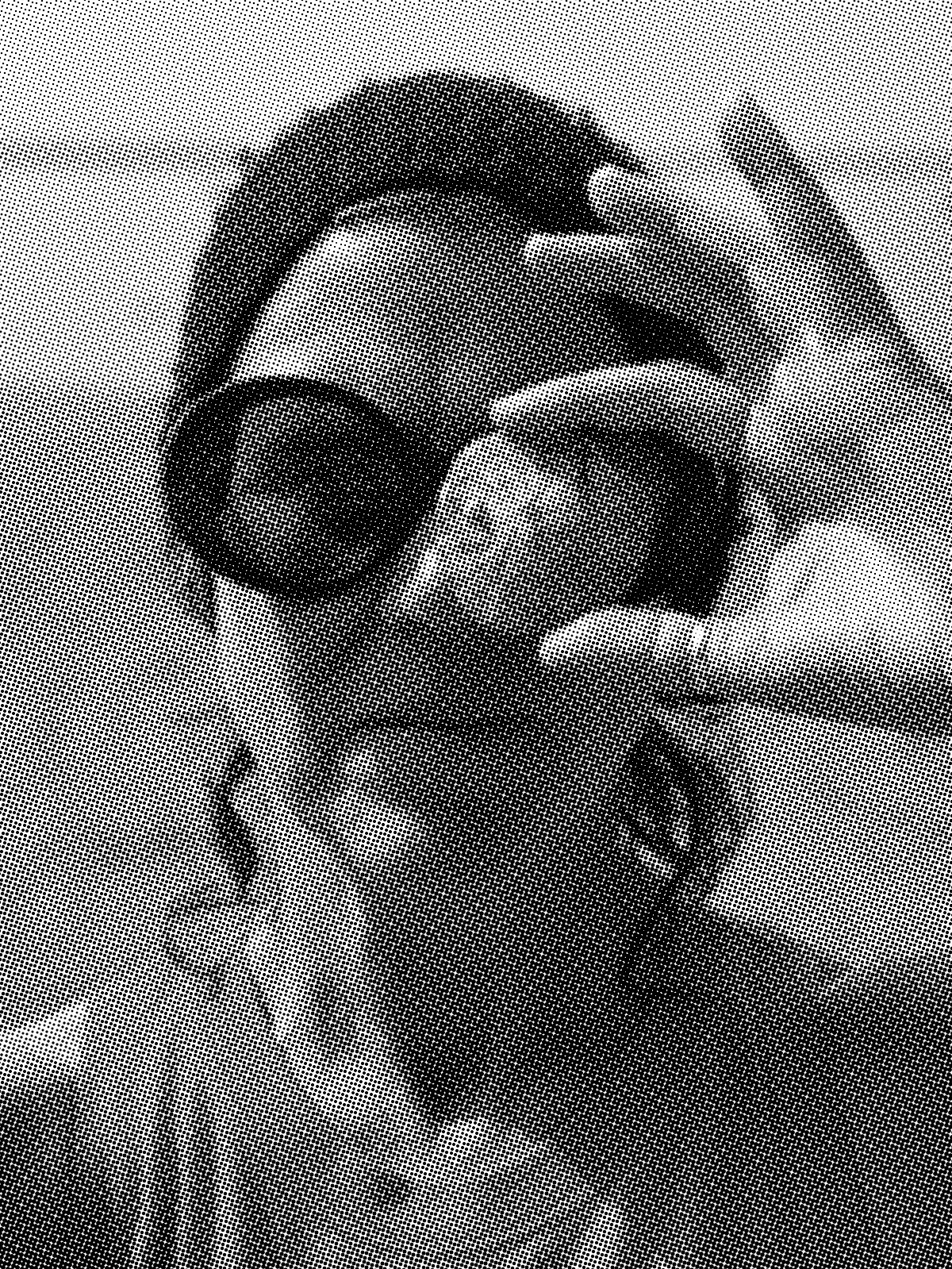
KIM TALLBEAR

Kim TallBear is a citizen of the Sisseton-Wahpeton Oyate and Professor of American Indian Studies at the University of Minnesota. Their scholarship examines Indigenous governance, technoscience, genomics, and environmental relations. TallBear is author of Native American DNA and co-founder of SING Canada, supporting Indigenous leadership in genomics. They have held Canada Research Chairs in Indigenous Peoples, Technoscience, and Society, and have advised scientific organizations and museums on race, science, and ethics. Their work foregrounds Indigenous relationality, sovereignty, and responsibility in contemporary science and technology.
-
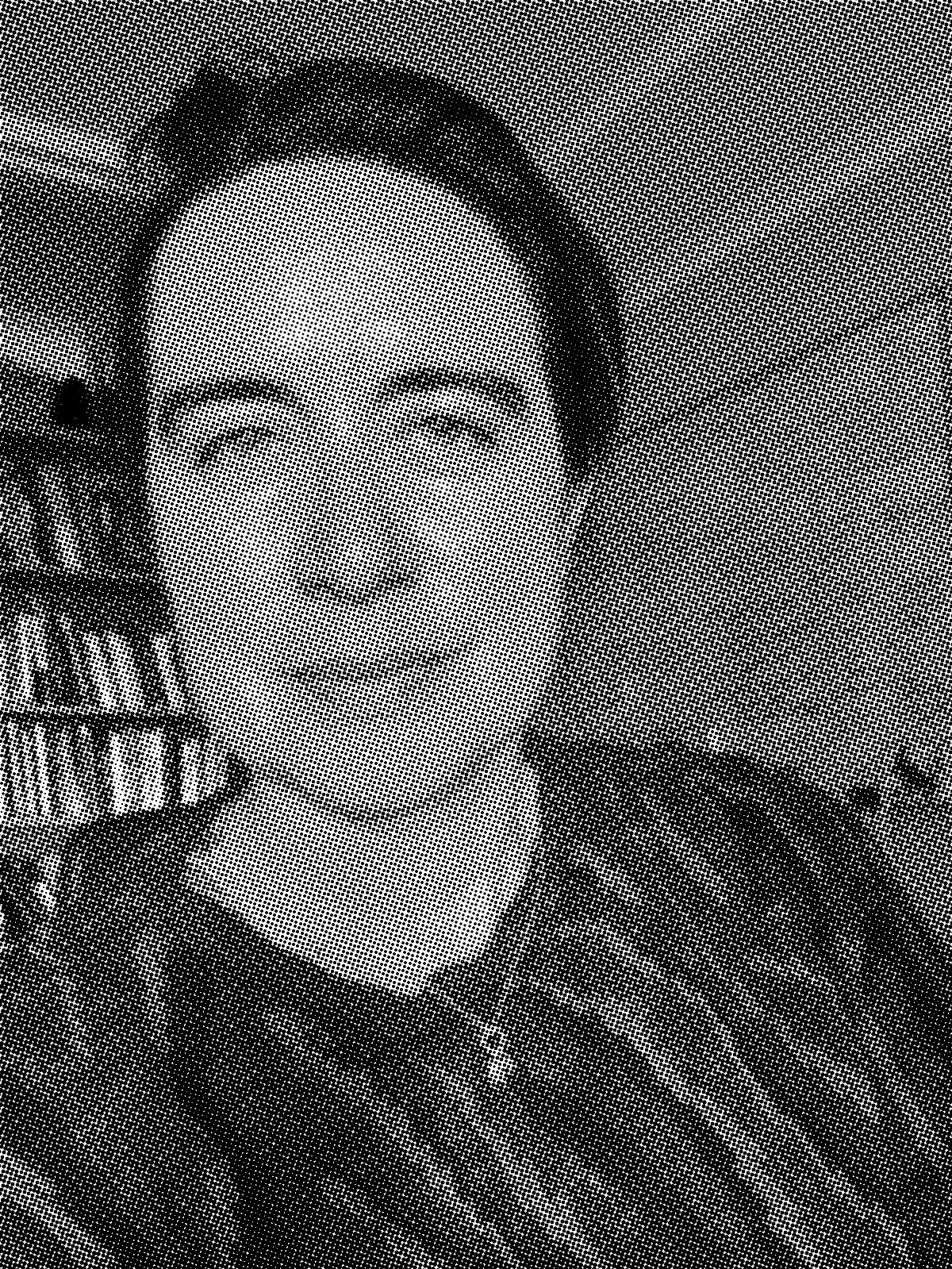
ASTRIDA NEIMANIS
Astrida Neimanis is Canada Research Chair in Feminist Environmental Humanities and Associate Professor at UBC Okanagan, working on syilx territory. A practice-led feminist theorist, their research explores water, weather, embodiment, and climate through collaborative work with artists, scientists, and communities. Neimanis is author of Bodies of Water: Posthuman Feminist Phenomenology and co-author of How to Weather Together: Feminist Practice for Climate Change. They direct the FEELed Lab, a creative research space advancing feminist environmental humanities through sensing, experimentation, and collective inquiry.
-
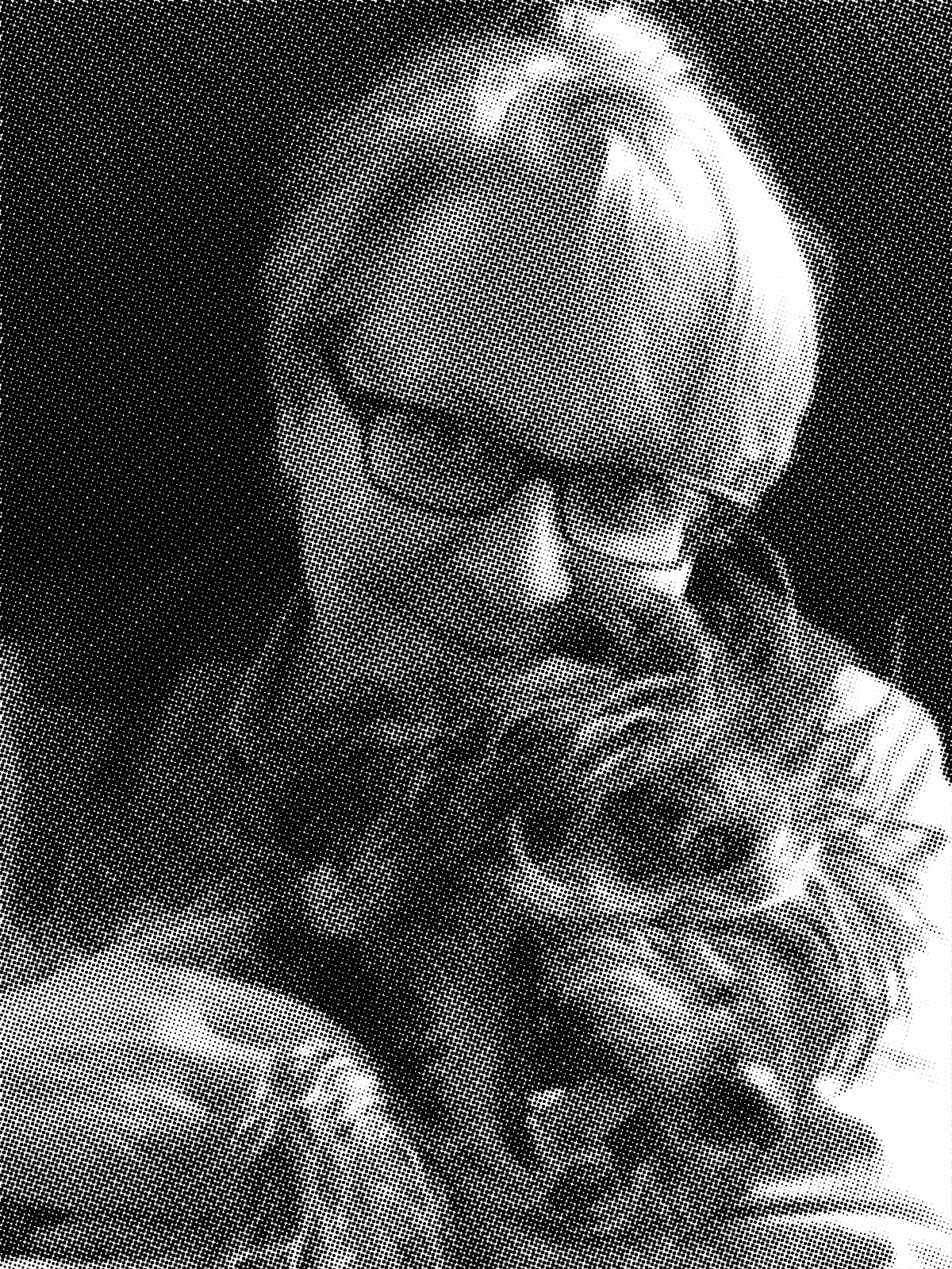
JENNIFER MAE HAMILTON
Jennifer Mae Hamilton is Senior Lecturer in Literary Studies at the University of New England, Australia, working on Anaiwan Country. Their interdisciplinary research investigates weather, embodiment, affect, and climate from a queer feminist perspective. Hamilton leads and collaborates on community-engaged projects including Community Weathering Station and the Armidale Climate and Health Project. Recent publications include Modes of Thermoregulation and How to Weather Together (with Astrida Neimanis). Alongside academic work, Hamilton is active in climate justice organizing and is currently training in Shiatsu and Oriental Therapies, integrating care, research, and community practice.
-
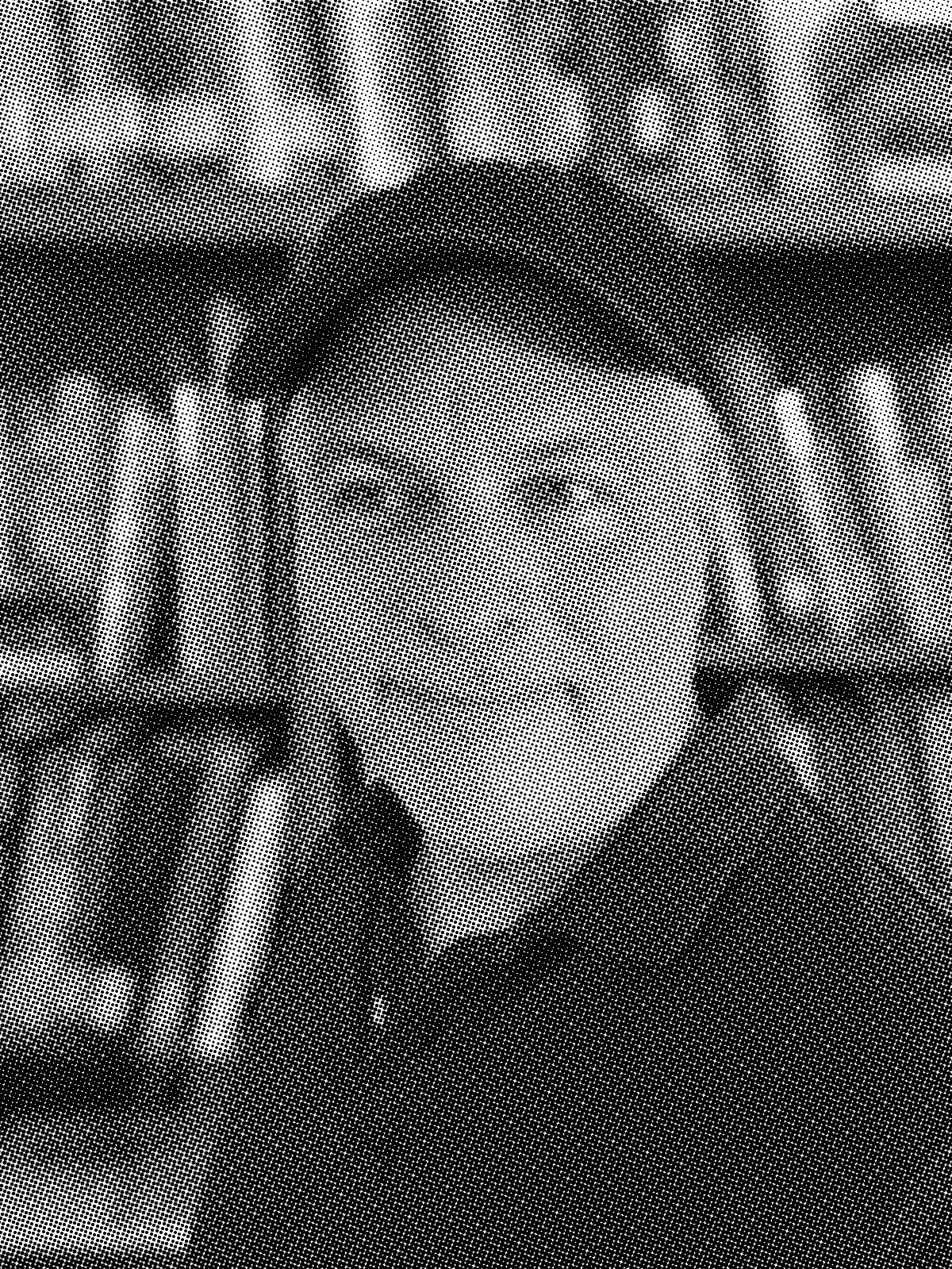
KAREN BARAD
Karen Barad is Distinguished Professor of History of Consciousness at the University of California at Santa Cruz, with an affiliation in Philosophy. Barad's Ph.D. is in theoretical particle physics and quantum field theory. Barad held a tenured appointment in a physics department before moving into more interdisciplinary spaces. Barad is the author of Meeting the Universe Halfway: Quantum Physics and the Entanglement of Matter and Meaning (Duke University Press, 2007) and numerous articles in the fields of physics, philosophy, science studies, and nuclear studies. Barad's research has been supported by the National Science Foundation, the Ford Foundation, the Hughes Foundation, the Irvine Foundation, the Mellon Foundation, and the National Endowment for the Humanities. Barad is a founding member of the Science & Justice Research Center and served as the Director of the Science & Justice Graduate Training Program at UCSC. Barad is the recipient of an honorary doctorate from Gothenburg University, a Fulbright fellowship, and the Kresge College Teaching Award, among other honors.
-
T.J. DEMOS
T. J. Demos is Professor in the Department of the History of Art and Visual Culture, at University of California, Santa Cruz, founding Director of its Center for Creative Ecologies, Distinguished Visiting Professor in the VIAD Research Centre at the University of Johannesburg, and a research associate at NICHE Centre for Environmental Humanities at Università Ca' Foscari Venezia. Demos is the author of several books, including Against the Anthropocene: Visual Culture and Environment Today (Sternberg Press, 2017); Decolonizing Nature: Contemporary Art and the Politics of Ecology (Sternberg Press, 2016); and The Migrant Image: The Art and Politics of Documentary During Global Crisis (Duke University Press, 2013) – winner of the College Art Association’s 2014 Frank Jewett Mather Award. He co-edited The Routledge Companion on Contemporary Art, Visual Culture, and Climate Change (2021), was a Getty Research Institute Fellow (Spring 2020), and directed the Mellon-funded Sawyer Seminar research project Beyond the End of the World (2019-21). His most recent book, Radical Futurisms: Ecologies of Collapse, Chronopolitics, and Justice-to-Come, was published by Sternberg Press in 2023.
-
FILIPA RAMOS
Filipa Ramos is a writer and curator working at the intersection of art, ecology, and moving-image practices. Her research bridges art history, eco-activism, and film studies, with a focus on more-than-human relations and time-based media. She is Lecturer at the Institute Art Gender Nature (FHNW Basel) and Artistic Director of Loop Festival, Barcelona. Ramos curated the Art Basel Film sector (2020–24) and co-founded the online cinema Vdrome. Recent projects include BESTIARI at the Venice Biennale and The Shape of a Circle in the Mind of a Fish. Her book The Artist as Ecologist is forthcoming.
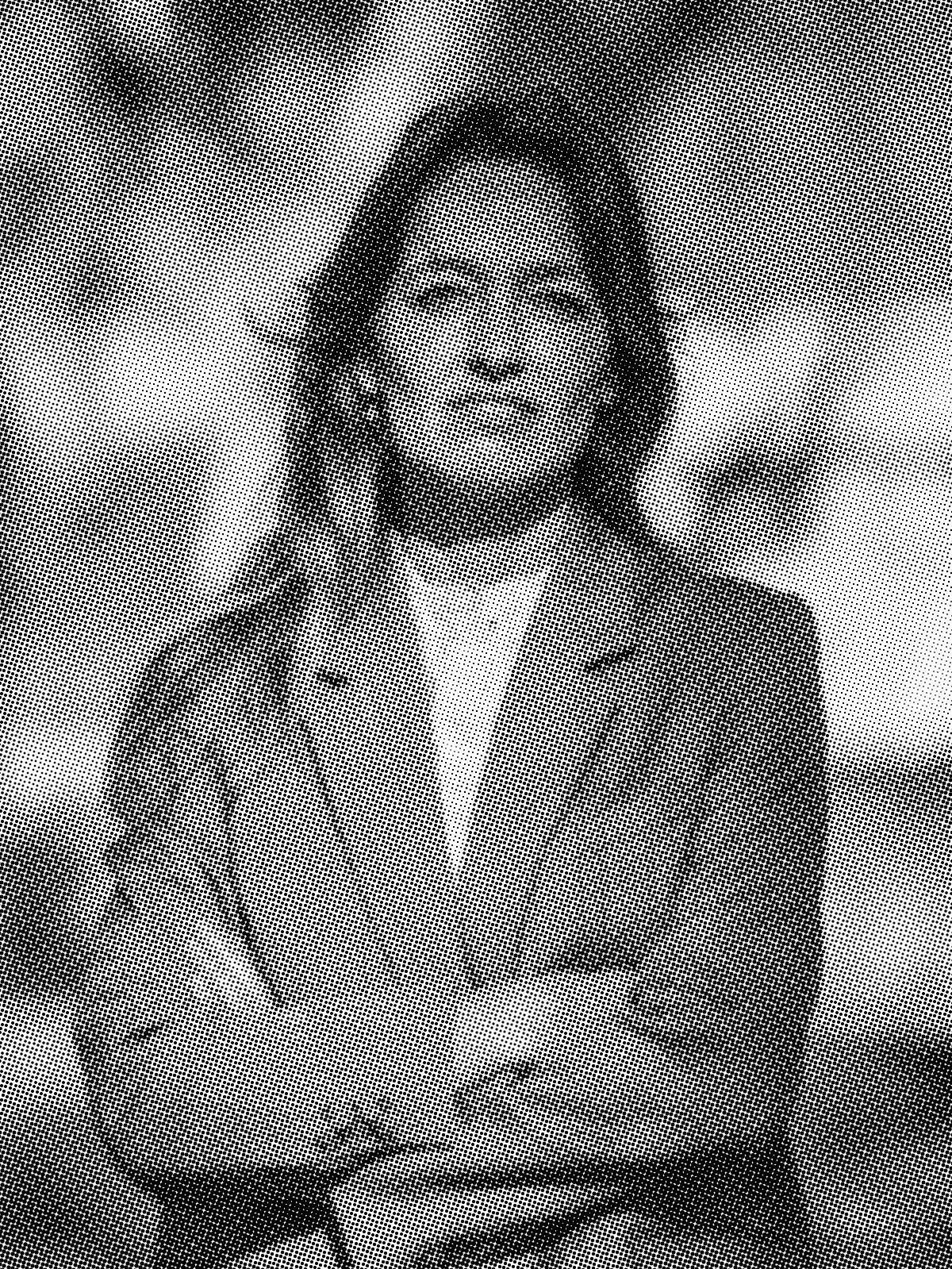
WORKSHOPS AND CRITICS
-
LAURA TRIPALDI
Laura Tripaldi is a researcher, writer, and postdoctoral fellow at NYU Shanghai’s Center for AI & Culture. With a PhD in Materials Science and Nanotechnology, her work explores materiality, agency, and intelligence across emerging technologies, philosophy, and the arts. Tripaldi investigates matter from an ecological perspective, questioning distinctions between natural and artificial systems. She teaches internationally through lectures and workshops and is author of Parallel Minds: Discovering the Intelligence of Materials, translated into multiple languages. Her research proposes new ways of thinking with materials as active participants in cultural and technological processes.
-
LUCIA PIETROIUSTI
Lucia Pietroiusti stewards research and experimentation in art, ecology and systems. She is Head of Research & Emergence at Hartwig Museum, Amsterdam, opening in 2028 and the Curator of the 6th Autostrada Biennale (Prizren, Kosovo, 2027). She founded Serpentine’s General Ecology project (2018-2025); edited The Shape of a Circle in the Mind of a Fish (2025, with Filipa Ramos), and curated Sun & Sea by Rugile Barzdžiukaitė, Vaiva Grainytė and Lina Lapelytė (58th Venice Biennale and tour, 2019-2025).
-
MARIELSA CASTRO
Marielsa Castro Vizcarra is a curator whose practice focuses on the intersection of pedagogy and curatorial work. She is currently Chief Curator at the Museo de Arte Moderno de Medellin and an Associate at coopia, a cooperative experiment that explores making through inhabiting and learning as forms of socio-environmental transformation. From 2021 to 2025, she was Associate Curator at Museo Jumex, where she led exhibitions, public programs, and the community-based project Museos en común. Between 2017 and 2019, she oversaw education and public engagement programs at the Unidad de Artes del Banco de la República in Bogotá, fostering initiatives with communities traditionally underserved by museums. Previously, she directed LIGA | Space for Architecture | DF (2012–2015), a platform dedicated to Latin American architecture.
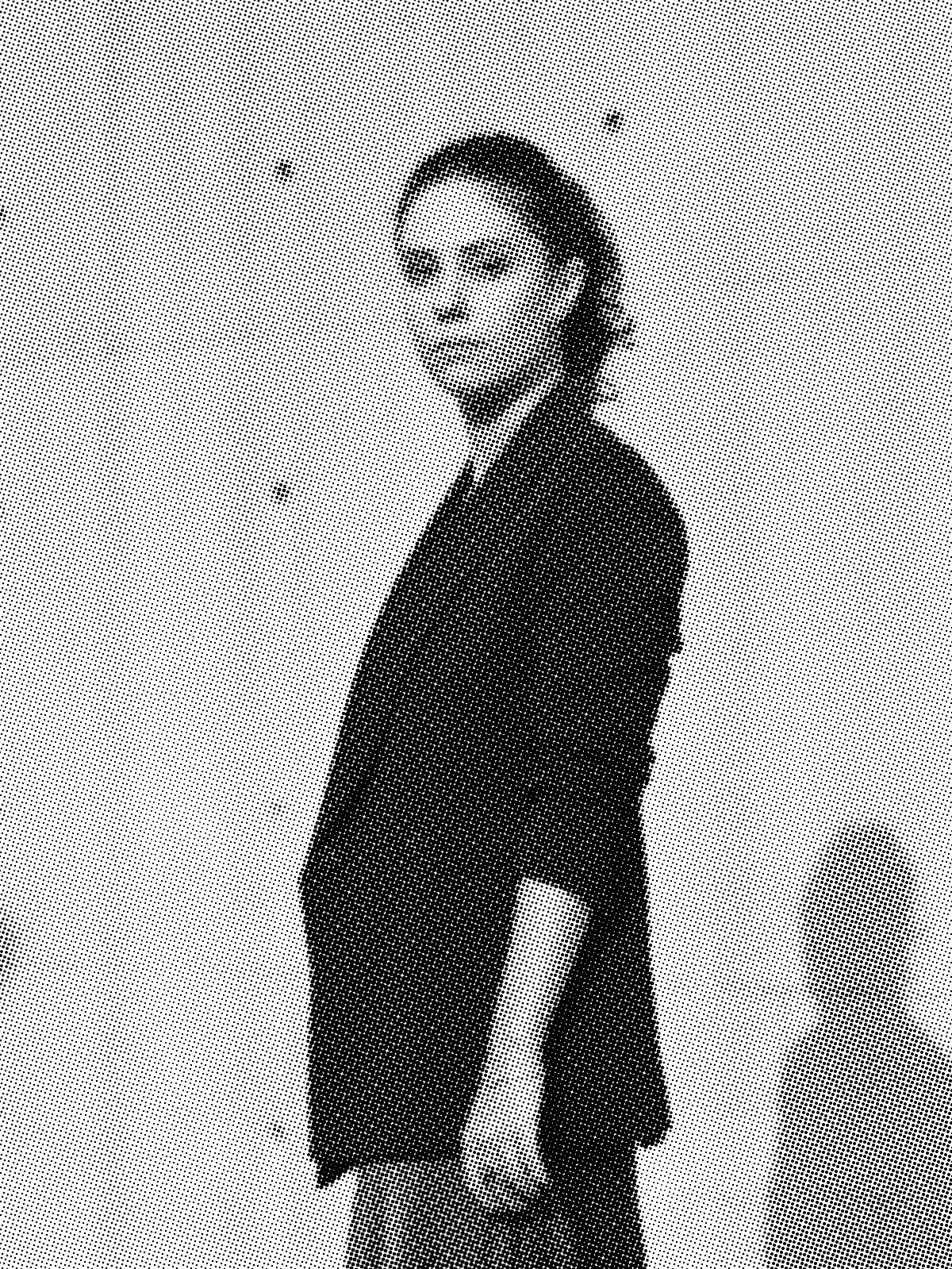
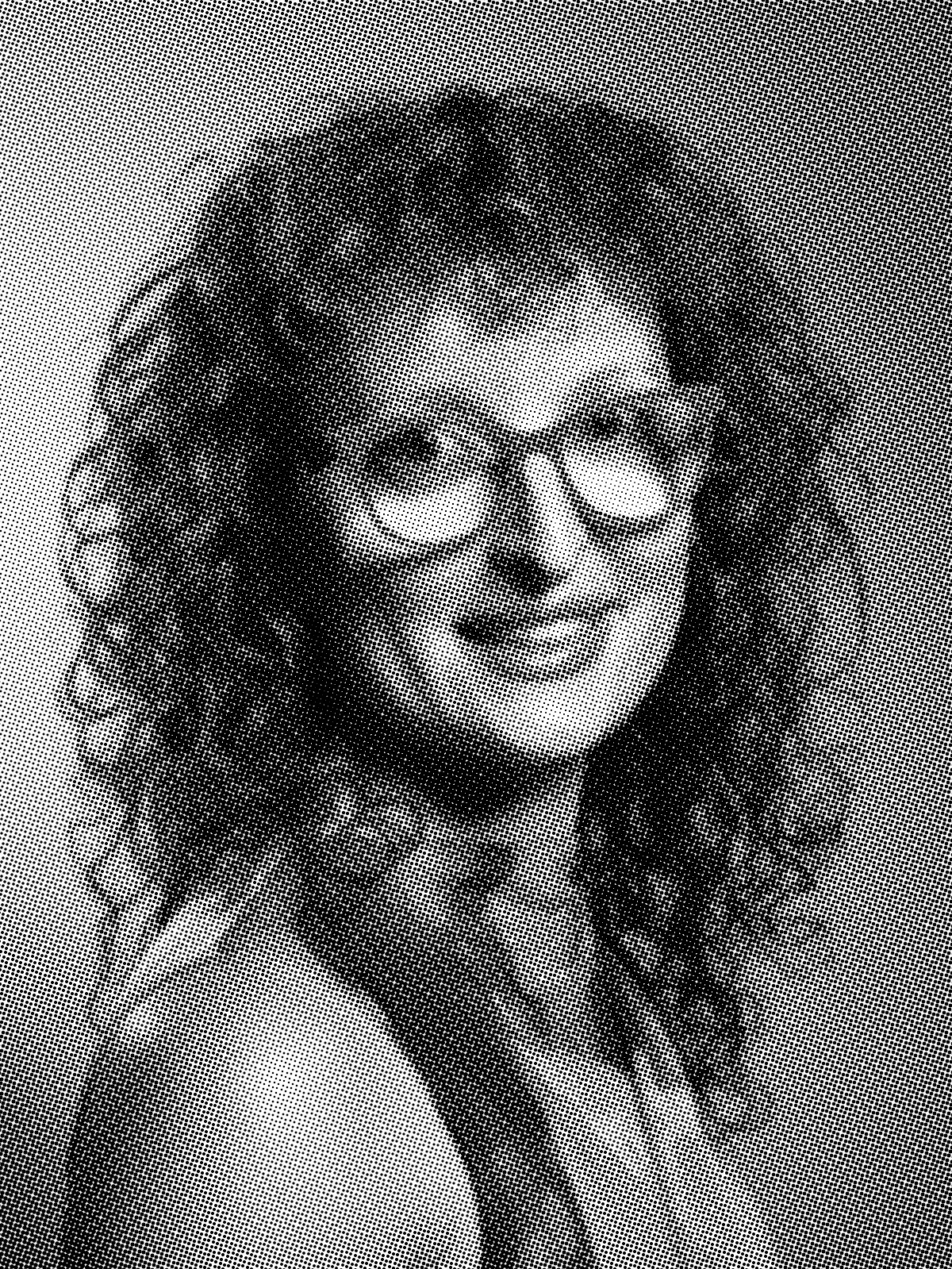
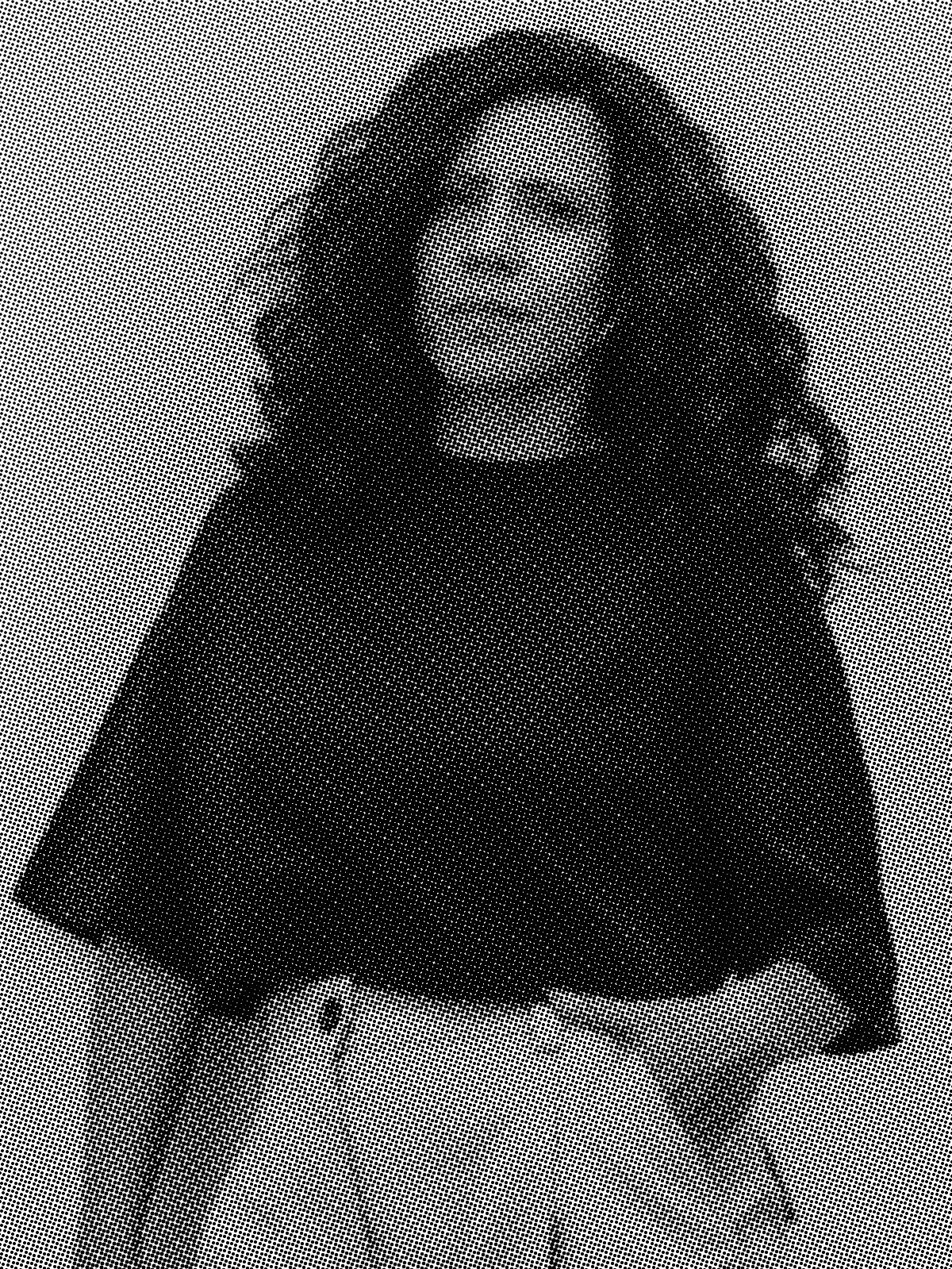
STUDIO VISITS
-
COOKING SECTIONS
Cooking Sections is a London-based art collective founded by Daniel Fernández Pascual and Alon Schwabe. Their practice investigates how food systems shape spatial, ecological, and political relations under extractivism and climate change. Working across installation, performance, film, and publishing, they use food as both lens and tool to expose metabolic relations between humans, landscapes, and power. Since 2015, they have led CLIMAVORE, a long-term project rethinking eating in changing climates. Cooking Sections has exhibited internationally at major museums, biennials, and public institutions.
-
PIERRE HUYGHE STUDIO
Pierre Huyghe Studio supports the conception and production of complex exhibitions and artworks developed by Pierre Huyghe over the past three decades. Operating internationally, the studio coordinates research, fabrication, and collaboration across disciplines, including biology, technology, and performance. Its projects include major presentations at Tate Modern, dOCUMENTA, the Metropolitan Museum, Skulptur Projekte Münster, LUMA Arles, and Pinault Collection. The studio plays a central role in enabling large-scale, evolving environments that challenge exhibition formats and explore living systems, temporality, and human–nonhuman relations.
-
ANNE STENNE
Anne Stenne is an independent curator based in France with a long-standing collaboration with Pierre Huyghe. Since 2014, she has worked closely on major international exhibitions including After UUmwelt, Variants, Chimera, and Liminal. Stenne has also curated projects with Fabien Giraud and Raphaël Siboni and co-edited publications on contemporary art practice. In 2023, she co-founded The Feral, an experimental artistic platform. Her curatorial approach emphasizes deep artist collaboration, research-driven processes, and long-term engagement.
-
ANNE SOPHIE TISSEYRE
Anne Sophie Tisseyre is Director of Pierre Huyghe’s studio, based in Santiago, Chile. With a background in film production, she oversees strategy, communication, and the realization of complex, site-specific projects. Since joining the studio in 2017, she has played a central role in assembling specialized teams and managing international collaborations. Tisseyre has produced major works including Camata and contributed to long-term infrastructural developments supporting Huyghe’s practice. Her work bridges artistic vision, production logistics, and institutional relations.
-
ANGELO CUSTÓDIO
Angelo Custódio is an artist, researcher, and performer working with voice, sound, and writing from a crip-queer perspective. Trained as a classical singer, Custódio explores techno-somatic practices of voicing informed by critical theory and embodied knowledge. Their work creates sonic encounters that attend to vulnerability, listening, and alternative ecologies of living. Custódio is a tutor at the Dutch Art Institute and facilitates regenerative, relational pedagogies. They have presented work internationally and are a recipient of grants from the Amsterdam Fund for the Arts and the Mondriaan Fund.
-
JUNE CRESPO
June Crespo is a sculptor based in Bilbao whose work explores material processes, intuition, and the emotional relations between bodies and objects. Using collage-like procedures and everyday forms, she creates sculptures that question function, scale, and containment. Her practice is rooted in experimentation rather than premeditated narratives, allowing meaning to emerge through making. Crespo has participated in major exhibitions including the Venice Biennale The Milk of Dreams and has held solo exhibitions across Europe. Sculpture functions in her work as a space of bodily and spatial negotiation.
-
CARLOS MONLEÓN
Carlos Monleón is an artist whose practice centers digestion, metabolism, and evolution as systems of exchange and relation. Working with sculpture, participation, sound, and sensory environments, he examines how bodily processes mirror ecological and social systems. His projects often involve collective singing, taste, sweat, and data as tools for shared sensing. River Breathing translated the metabolic life of the Ebro River into sculptural and sonic form. Monleón’s research-based practice is deeply collaborative, developed with scientists, performers, and public institutions.
-
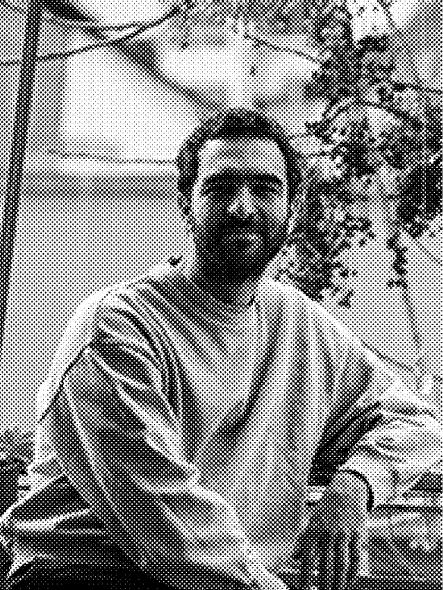
RAFAEL PÉREZ EVANS
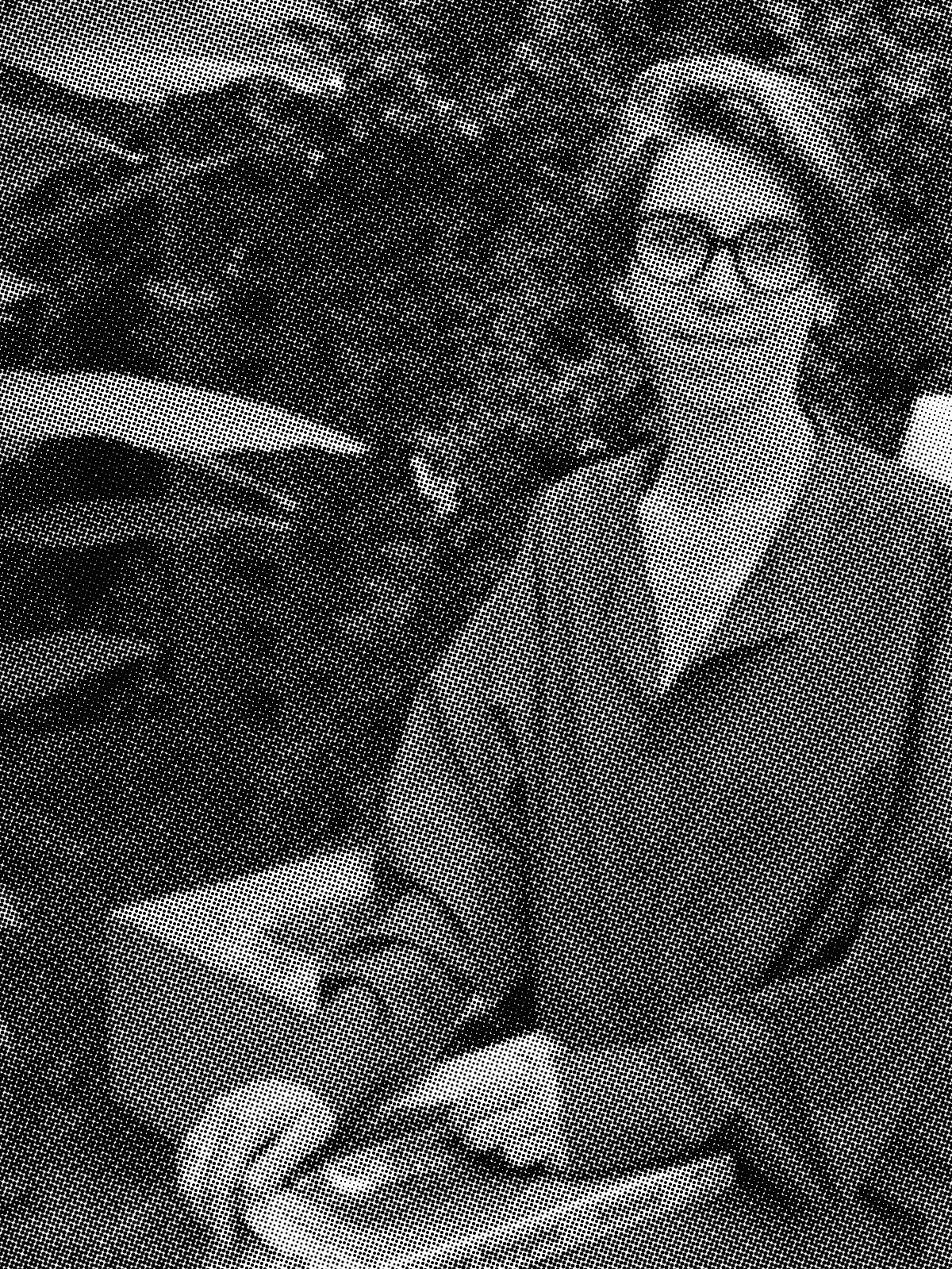
Rafael Pérez Evans is a Spanish-Welsh artist and educator based in Oxford. Working with sculpture, installation, and sound, his practice explores breakdown as lived condition and political possibility. Informed by queer, rural, and disabled experience, his work engages unstable materials that echo degraded landscapes and marginalized bodies. Pérez Evans is an AHRC Doctoral Scholar at the University of Oxford and a former Sculpture Fellow at the Henry Moore Institute. He has exhibited internationally and taught at leading art schools, emphasizing care, collectivity, and material vulnerability.
-
TERESA SOLAR ABBOUD
Teresa Solar Abboud is an artist whose work examines the morphology of speech and thought through sculpture and drawing. Her practice develops layered narratives around resistance, flow, insulation, and immunity, often using bodily metaphors such as throats, pores, and tunnels. Solar Abboud creates immersive installations composed of interconnected sculptural families, forming ecosystems of meaning. Clay, industrial materials, and found objects coexist in her work, reflecting hybrid organic and synthetic worlds. Her research connects personal bodily experience with broader critiques of progress, infrastructure, and geological time.
-
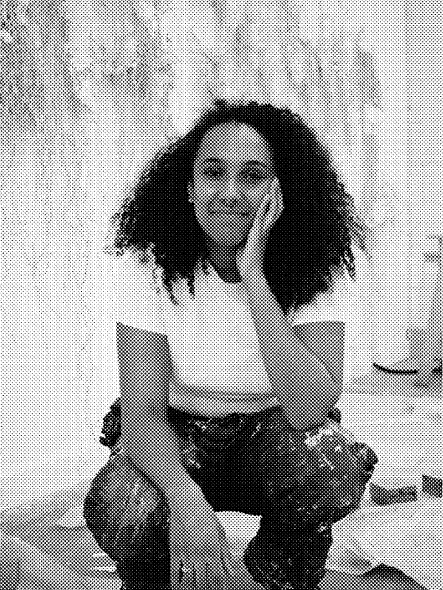
DOMINIQUE WHITE
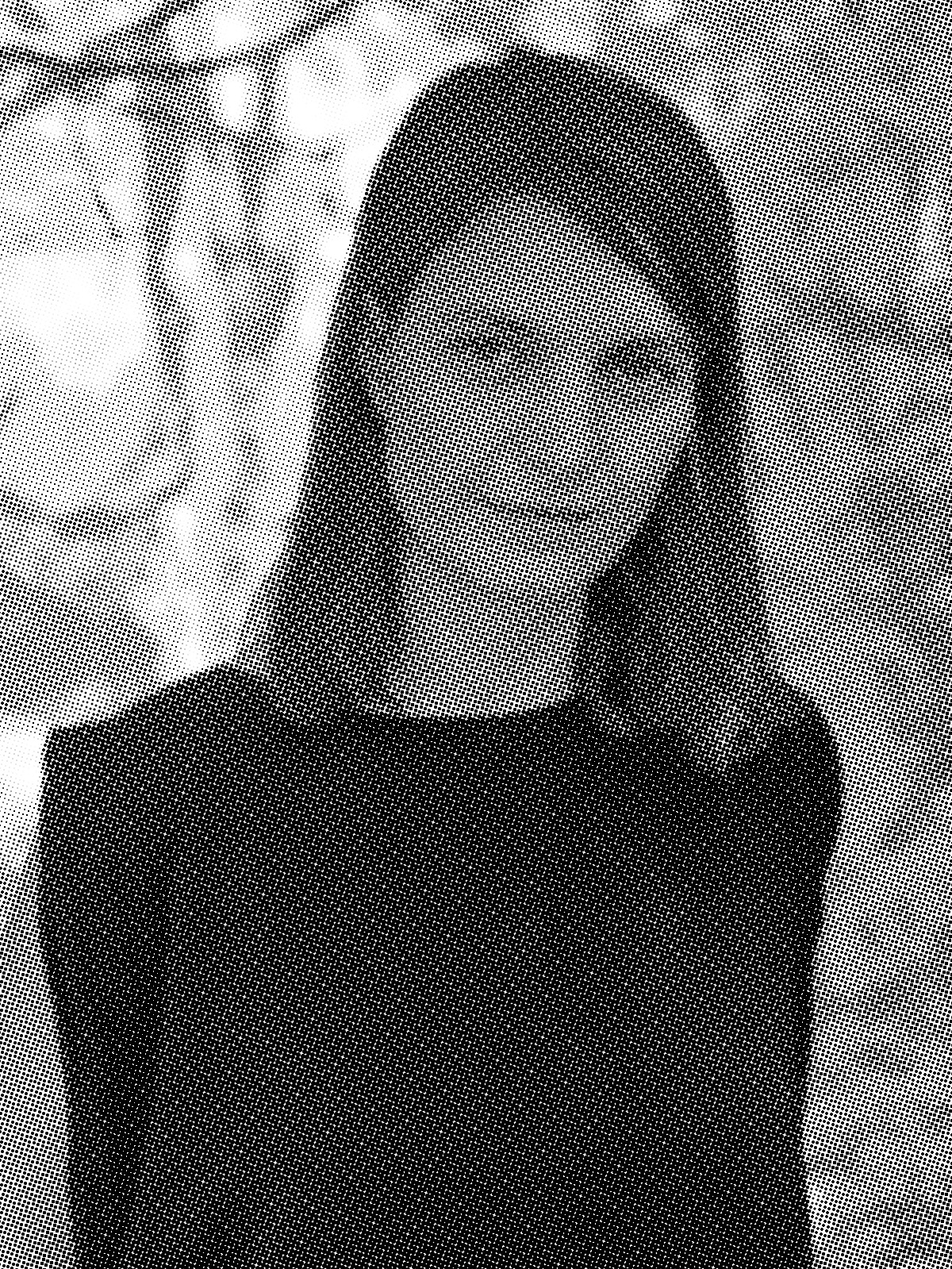
Dominique White (GB) weaves together the theories of Black Subjectivity, Afro-pessimism and Hydrarchy (from below) with the nautical myths of Black Diaspora into a term she defines as the Shipwreck(ed); a reflexive verb and state of being. White's sculptures, or beacons, prophesy the emergence of the Stateless; "a [Black] future that hasn't yet happened, but must." (Campt 2017 in Yussof 2018). White is a graduate of Goldsmiths University. Notable solo and duo exhibitions include: All Great Powers Collapse from the Centre at Kunsthalle Basel (CH) (2026); Deadweight at Whitechapel Gallery (GB) (2024) and Dominique White and Alberta Whittle: Sargasso Sea [duo] at ICA Philadelphia (US) (2024).
-
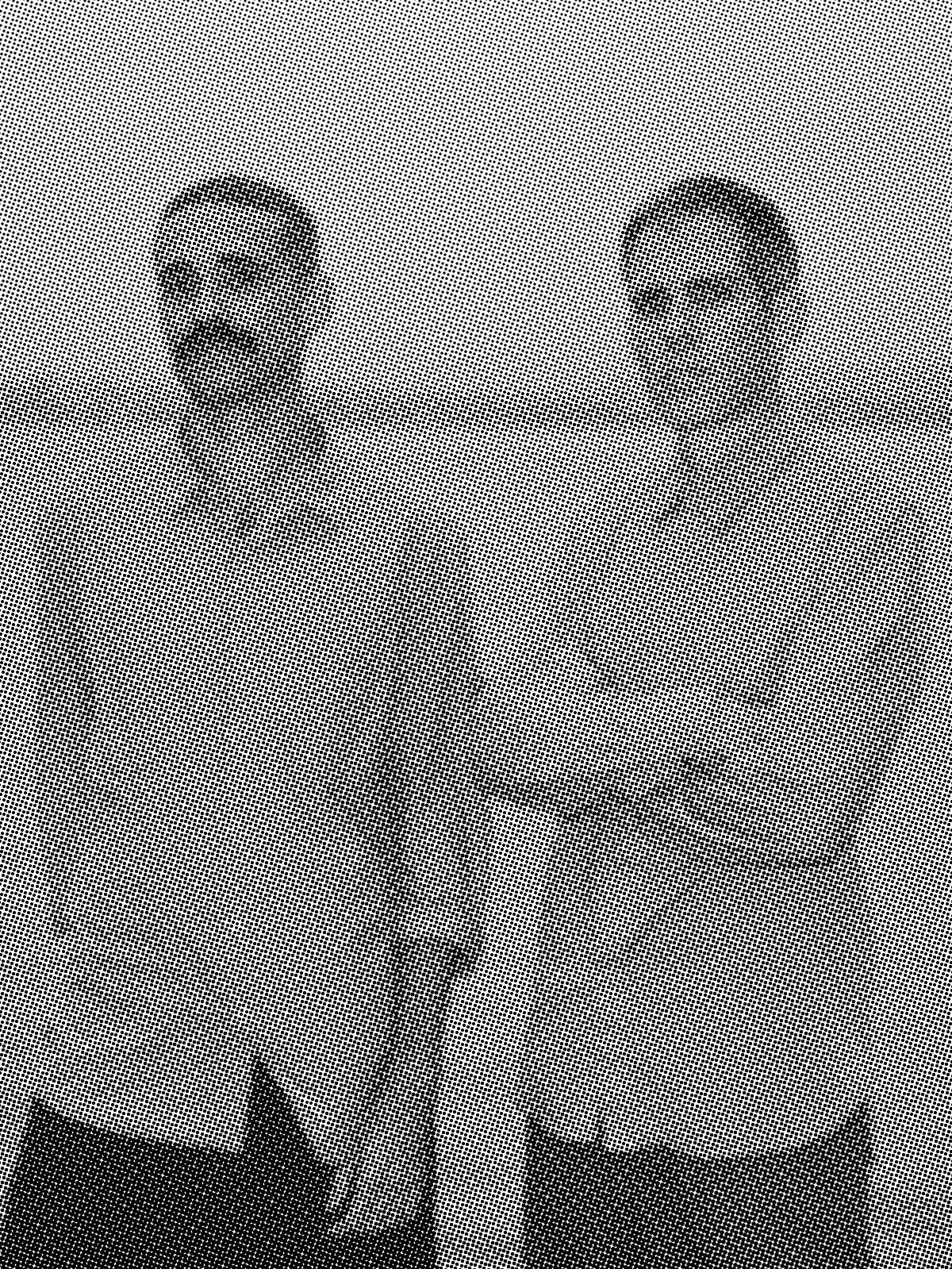
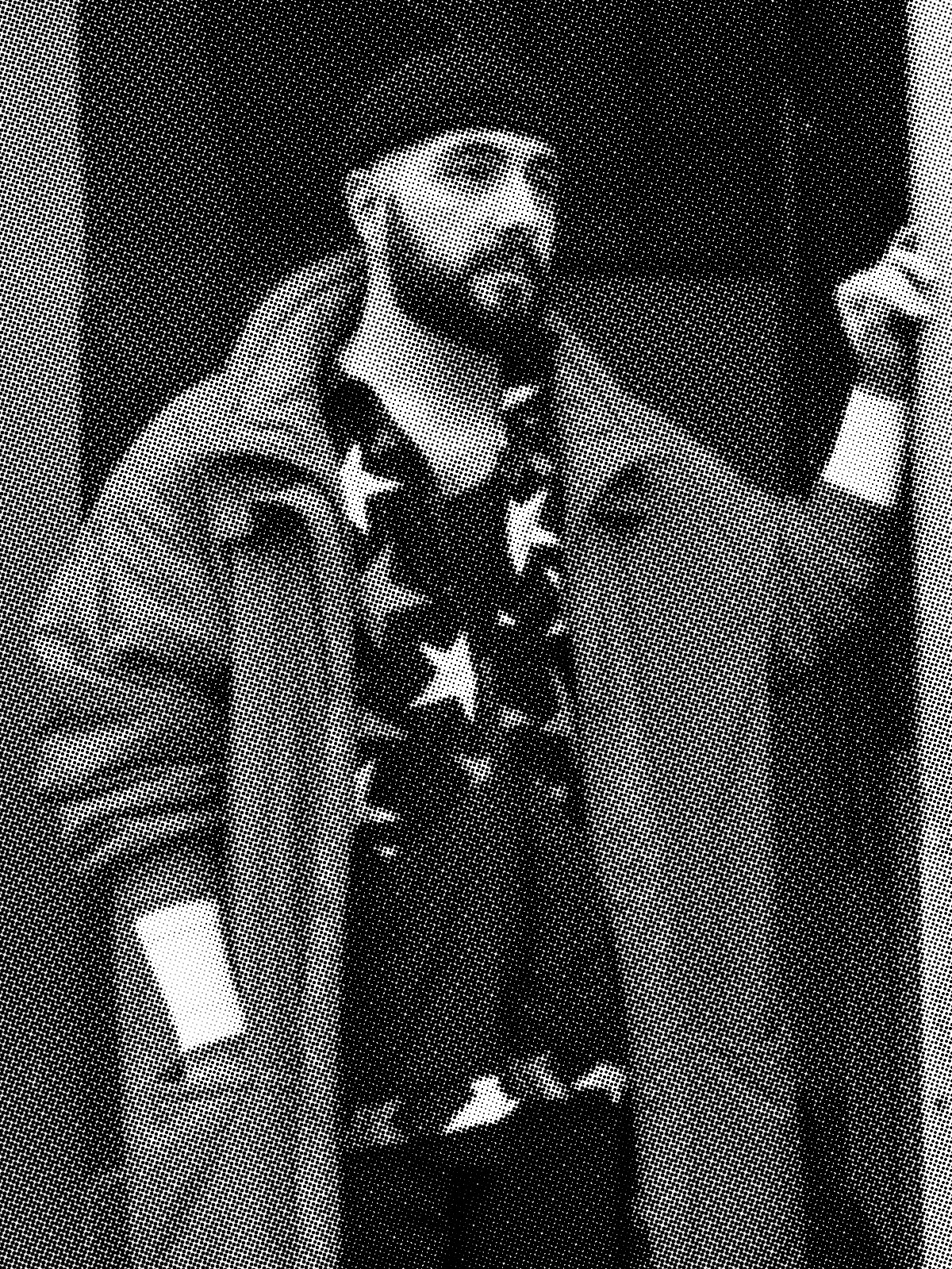
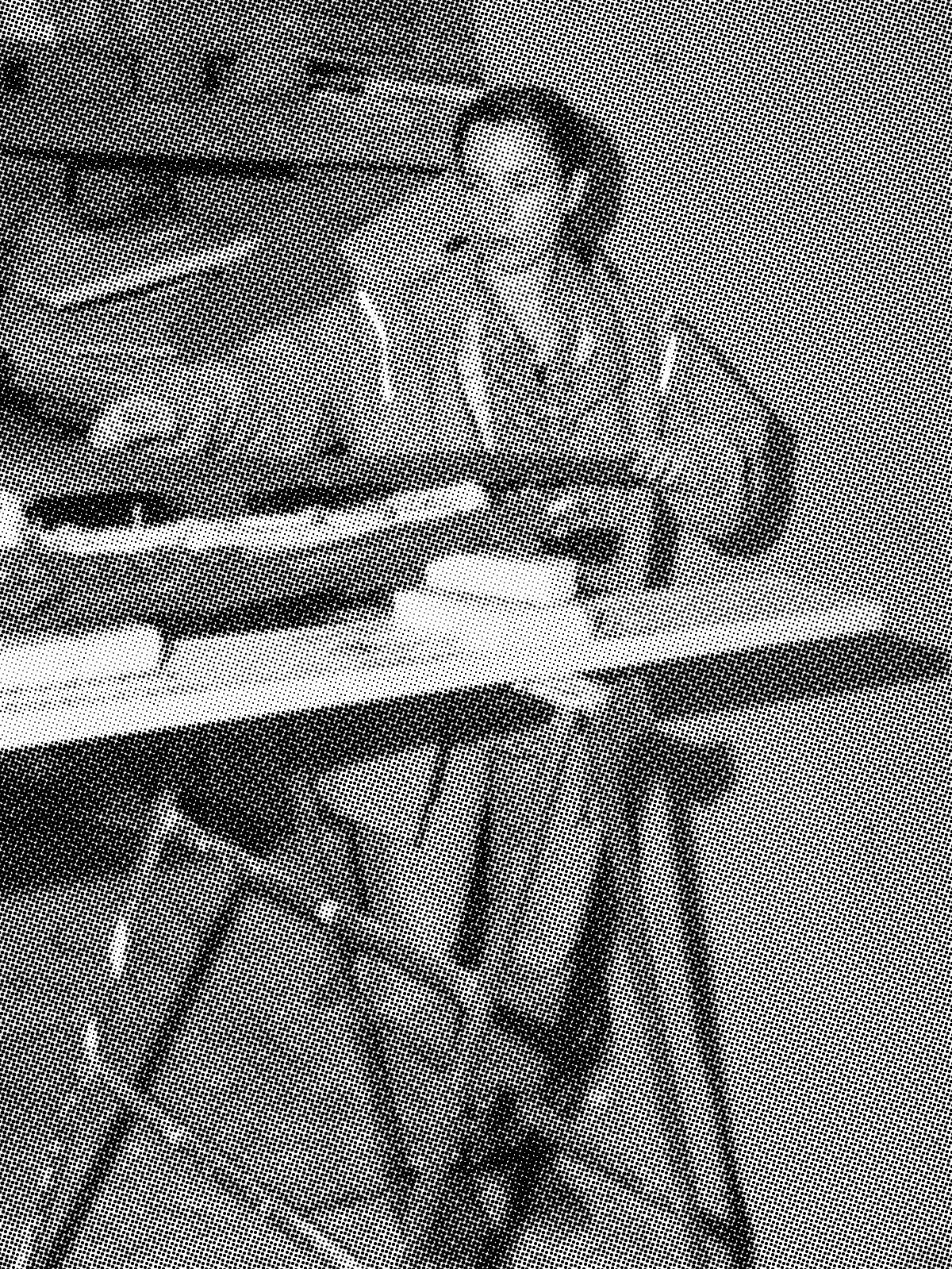
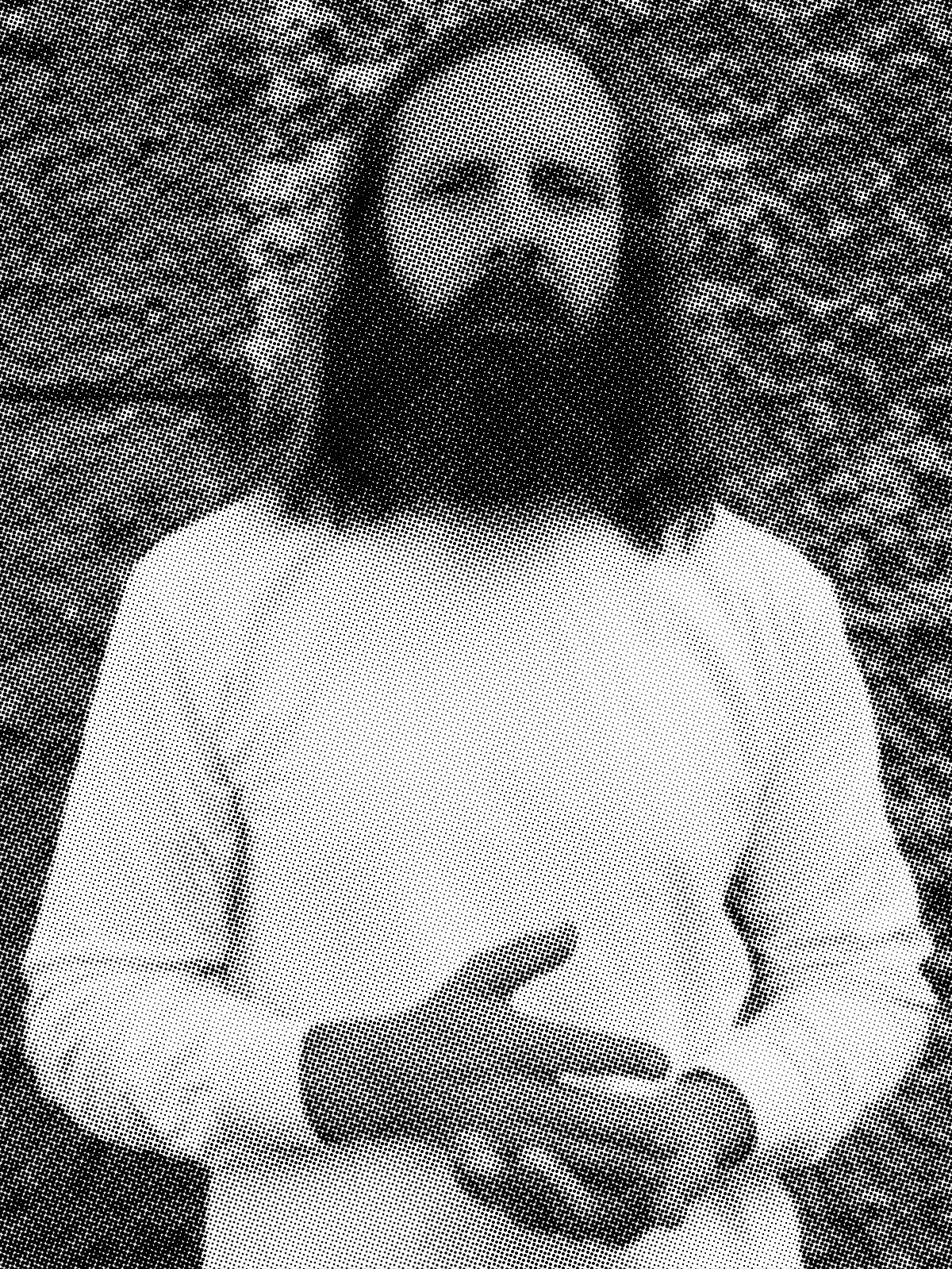
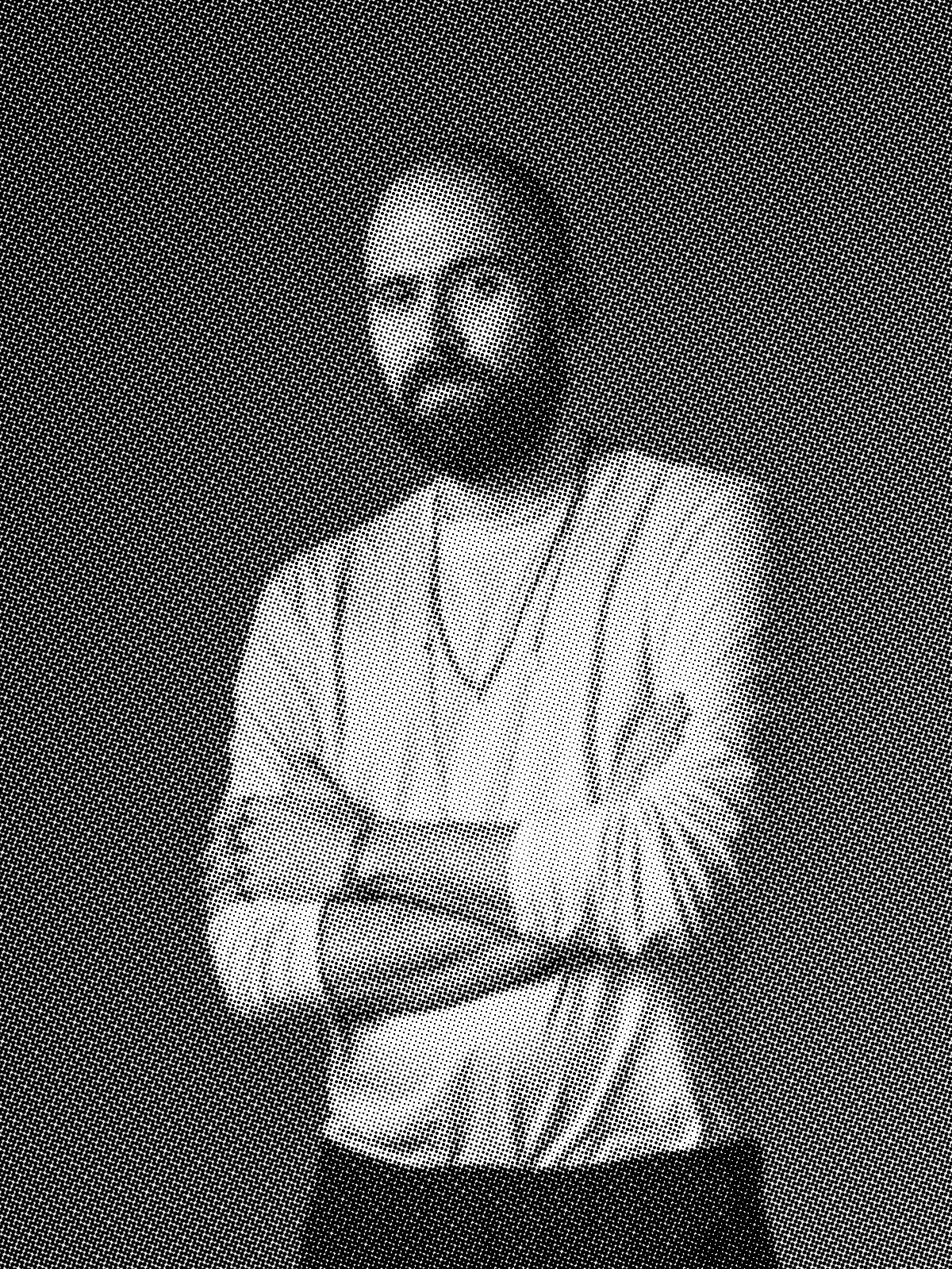
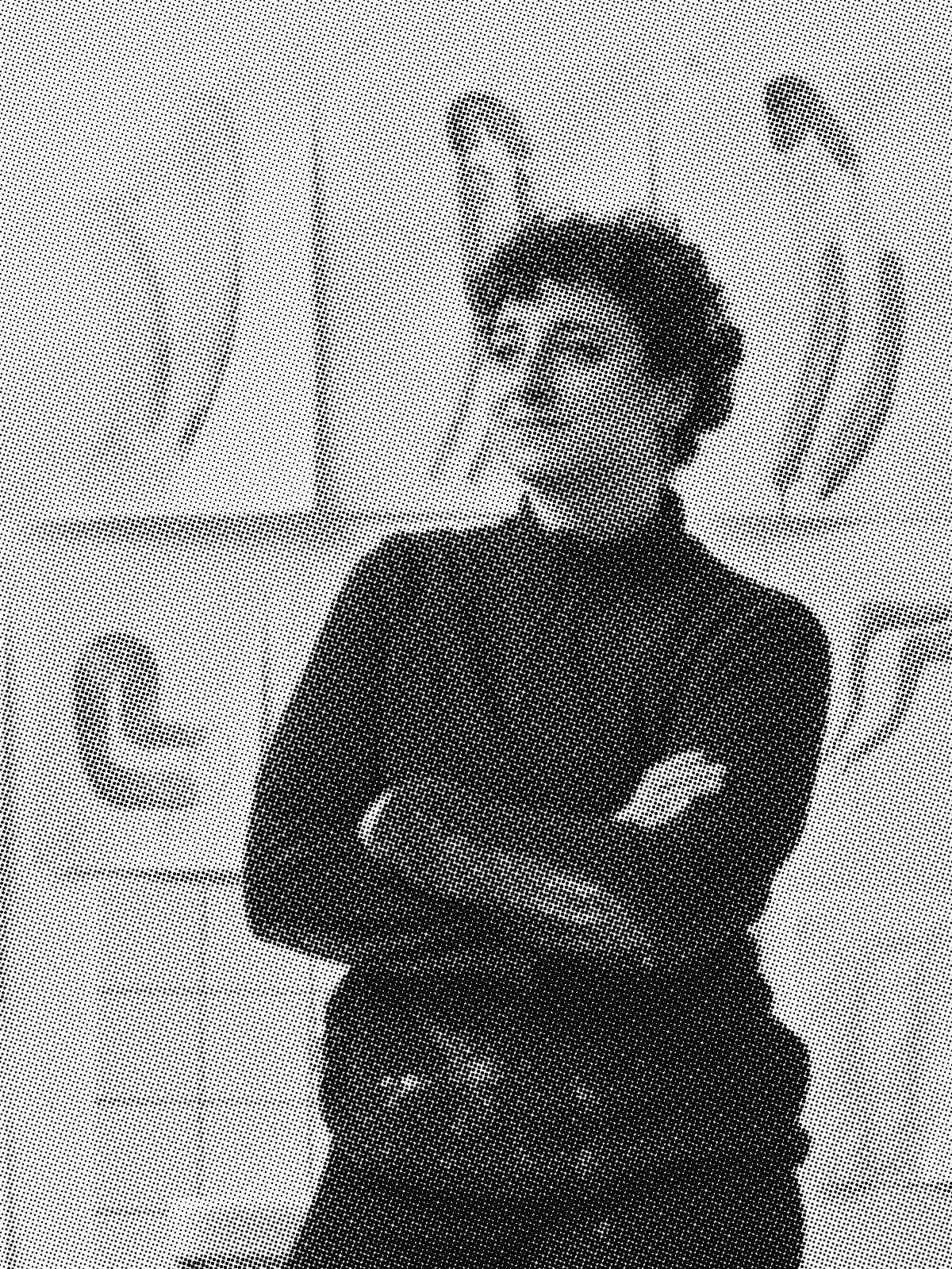
ADOLFO BIMER
Visual Arts graduate from the Universidad de Chile (Santiago, 2011), with Art History studies at Utrecht Universiteit (Netherlands, 2007). His work investigates the ways in which humans are represented by medical sciences, emphasizing how healthcare institutions and their systems of image production dehumanize us while defining abstract perceptions of identity, health, illness, and the body. Since 2014, he has been the co-director of the Chilean arts organization Sagrada Mercancía. His solo exhibitions include “Life Between” at Rodríguez Foundation, Poznan, Poland (2025); “Las voces” at La Papelería, Madrid, Spain (2024); “Brote” at ATM, Gijón, Spain (2023); and “Aires reunidos” at Galería Patricia Ready, Santiago, Chile (2022), among others. He was recently awarded the “ProHelvetia Southamerica Grant” for 2026 and the “NAVE Escobar” residency award in Buenos Aires, Argentina, for 2026. Furthermore, he has completed residencies such as “Fountainhead” in Miami, USA (2021); “HANGAR: Centro de Investigação Artística” in Lisbon, Portugal (2019); and “ISCP” in New York, USA (2014).
PROGRAM DIRECTION
-
GABRIEL ALONSO - PROGRAM DIRECTOR
Gabriel Alonso is a visual artist and researcher working at the intersection of ecology, science, and critical theory. His practice examines shifting relationships with nature, proposing new bonds between beings, technologies, and environments through installation, sculpture, photography, publishing, and video. Using a transdisciplinary approach that merges theory, artistic production, and curatorial experimentation, he creates speculative systems where hybrid materialities and post-natural narratives converge. Trained in Madrid, Berlin, and New York, he founded the Institute for Postnatural Studies in 2020, promoting critical ecologies, post-natural aesthetics, and new ethics of production through research, exhibitions, and education, and interdisciplinary dialogue across artistic communities.
-
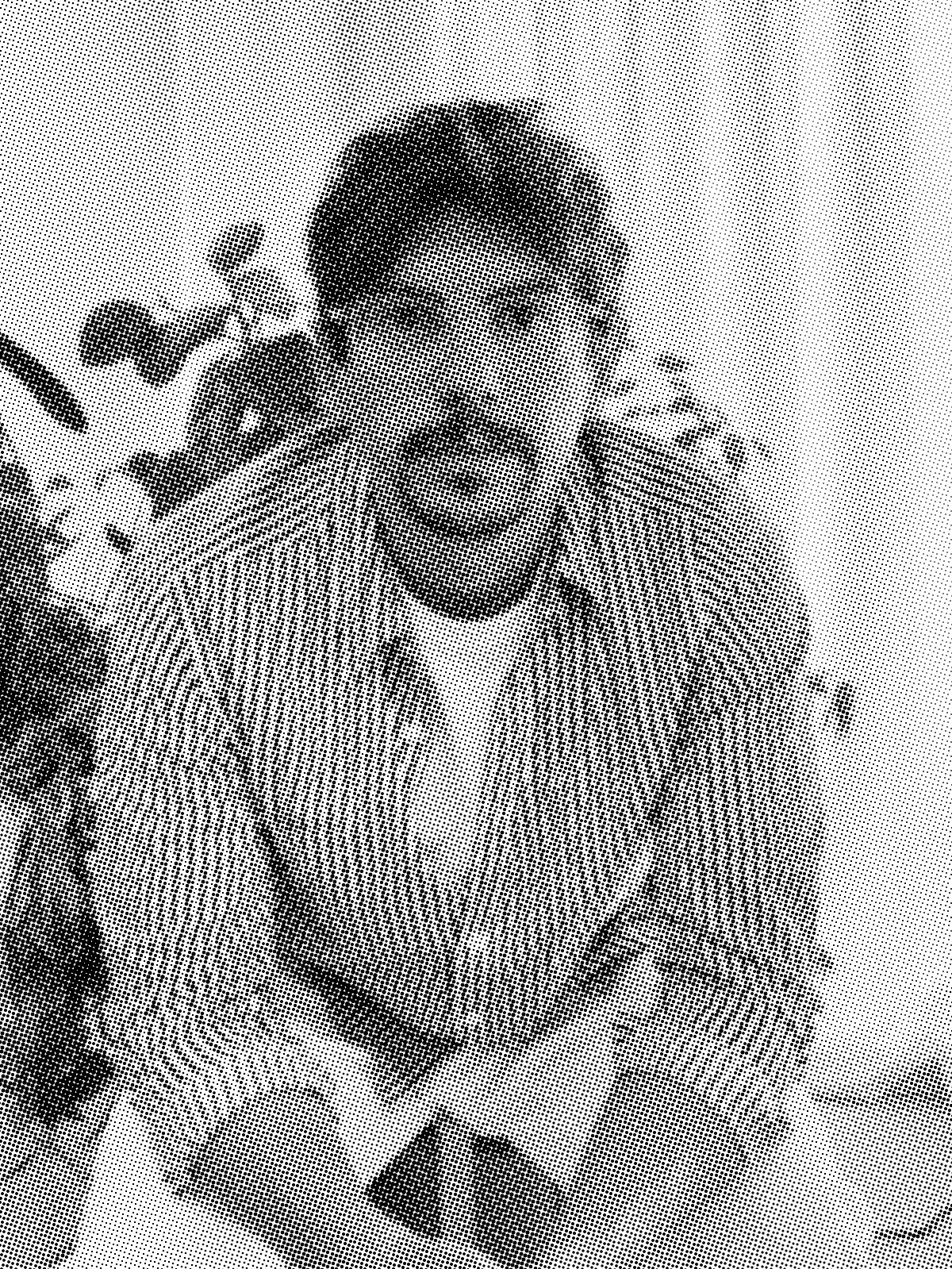
CRISTINA RAMOS - PROGRAM CURATOR & ACADEMIC LEAD
Cristina Ramos is a curator, researcher, and writer whose practice engages feminist epistemologies, political ecology, and new materialisms. Her work frames curation as a process of remediation between territories and human and more-than-human communities. Through her ongoing project The River in the Mouth, she applies hydro-feminist methodologies to the Llobregat and Manzanares rivers. She serves as Curator and Academic Lead at the Institute of Postnatural Studies, where she leads the postgraduate course Alternative Ecologies. Ramos has curated projects internationally, contributes regularly to art publications, and holds advanced degrees in art praxis and curating.
Apply until MAY 17th and join the entanglement.
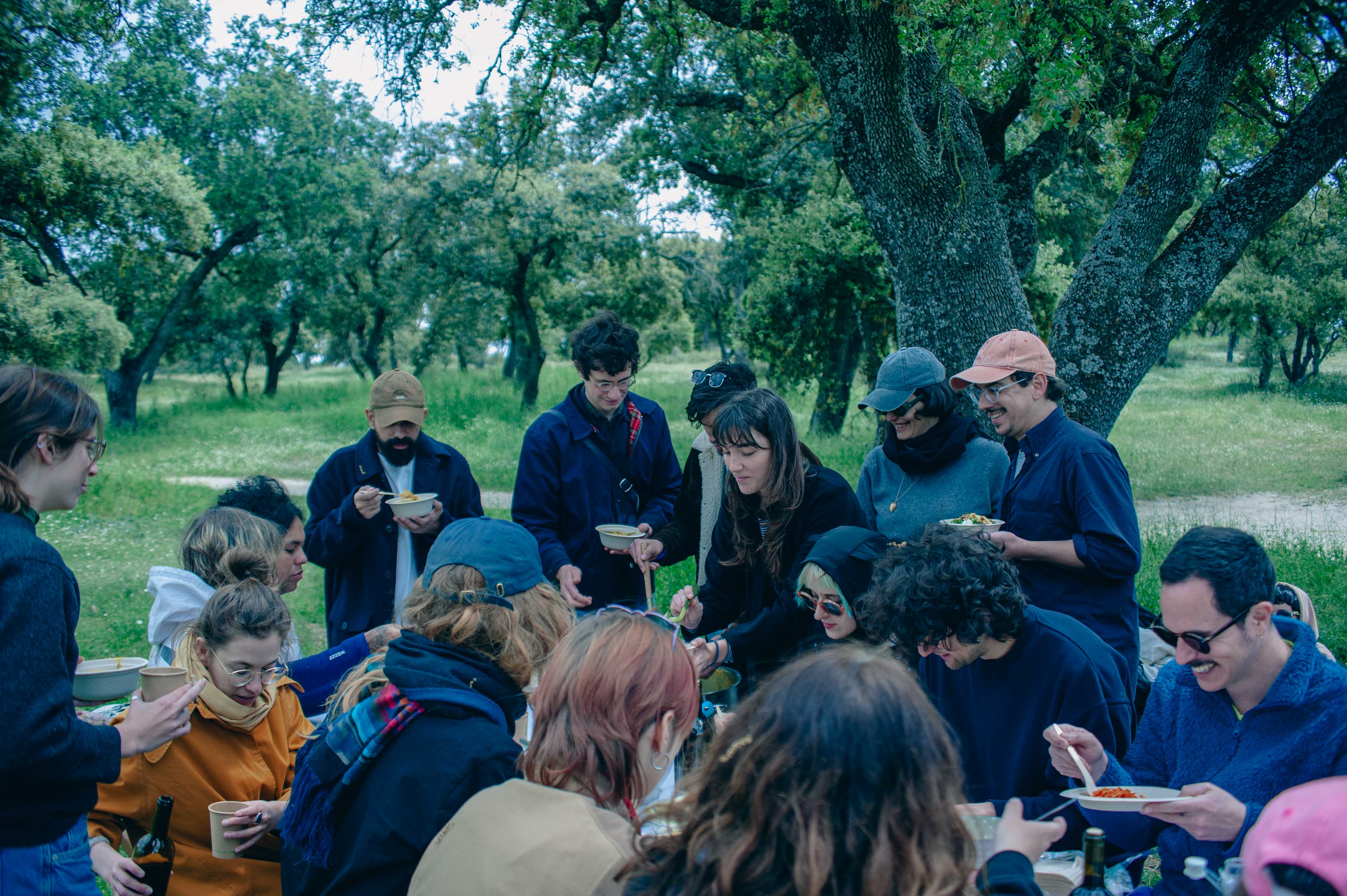
Collective sharing in collaboration with Paisanaje during PIP 2024
Overall Format and Calendar
Full term runs from September 14th, 2026 to June 6th, 2027
Mondays and Wednesdays from 6 to 8 pm (CET). There are four Laboratories in the program — during those weeks, a third session takes place on Tuesdays.
Three in-person gatherings.
All sessions and lectures are recorded and will be available online for reference or in case of absence.
There will be access to digital folders of study materials.
All sessions will be in English.
REGISTRATION CALENDAR
The course runs from September 14th, 2026 to June 6th, 2027.
Applications From March 1st to May 17th
Review of applications: From May 17th to May 25th
Notification of selected applicants: May 26th
Enrollment: From April 1st to September 6th
Submission of applications
Interested applicants must submit the following documentation through this ONLINE FORM
FEES
The total tuition fee is
€6,000
Includes
Participation in all online sessions and laboratories
Access to the IPS Virtual Campus
Mentoring and feedback sessions
Participation in three in-person encounters
Accommodation and meals during the first in-person encounter at PAF (France)
Exhibition and publication
Production support
Administrative and coordination costs
Payment
The fee can be paid in a lump sum or in four installments: 50% upon acceptance, followed by payments in October, December, and March.
Additional costs
Accommodation and meals during the first encounter are covered by IPS. Travel and accommodation expenses for the in-person encounters in Madrid are not included.
SCOLARSHIPS
IPS is committed to fostering accessibility and diversity within ALT—ECO. A limited number of partial and full tuition waivers are offered to support participants with strong practices and limited financial resources.
These grants are funded directly by the Institute for Postnatural Studies.
Available Support
For the 2026–2027 edition, IPS will offer:
ALT Fellowship — Full Tuition Research Grant
This fellowship supports selected participants with full tuition (€6,000), enabling access to the program regardless of financial constraints.
ALT Fellows are encouraged to contribute to the program’s research, documentation, and public dissemination processes, particularly in relation to collective projects and the final publication.
ALT Scholars — Half Tuition Research Grants
Partial scholarships (€3,000) are available to support participants with strong practices who require financial assistance.
ALT Scholars contribute to the program’s collective work through activities such as project documentation, editorial collaboration, and support for the final publication.
How to Apply for Grants and Fellowships
Applicants wishing to be considered for financial support must apply through the dedicated Grants & Fellowships application form and provide brief information about their financial situation and level of need.
Applicants applying for financial support should not submit the Regular Application form. Only one application should be submitted. Based on artistic merit, financial need, and available resources, IPS will determine the level of support awarded (full or partial tuition). Applications for financial support are reviewed confidentially and are highly competitive due to limited resources.
How Support Is Awarded
All grants and fellowships are allocated based on artistic merit, financial need, and alignment with the program’s values. Support applications are reviewed confidentially.
IPS is unable to guarantee financial support to all applicants.
Inquiries
A public online Q&A session will take place on March 19, 2026, at 6:00 pm (CET), through this link.
If you have any questions, please send an email to: alteco@instituteforpostnaturalstudies.org
ALT—ECO TEAM
Gabriel Alonso
Program Director
Cristina Ramos
Program Curator and Academic Lead
Karol Muñozcano
Program Manager & Institutional Relations
Yuri Tuma
IPS Faculty
Daniel H. Rey
Program Collaborator
Sara Hernández Bennaji
Graphic & Visual Designer
FAQs
FREQUENTLY ASKED QUESTIONS
- 01.
- 02.
- 03.
- 04.
- 05.
- 06.
- 07.
- 08.
- 09.
- 10.
- 11.
- 12.
- 13.
- 14.
- 15.
- 16.