WATER ECOLOGIES ~ Melting
GENERAL INFO
- LED BY
-
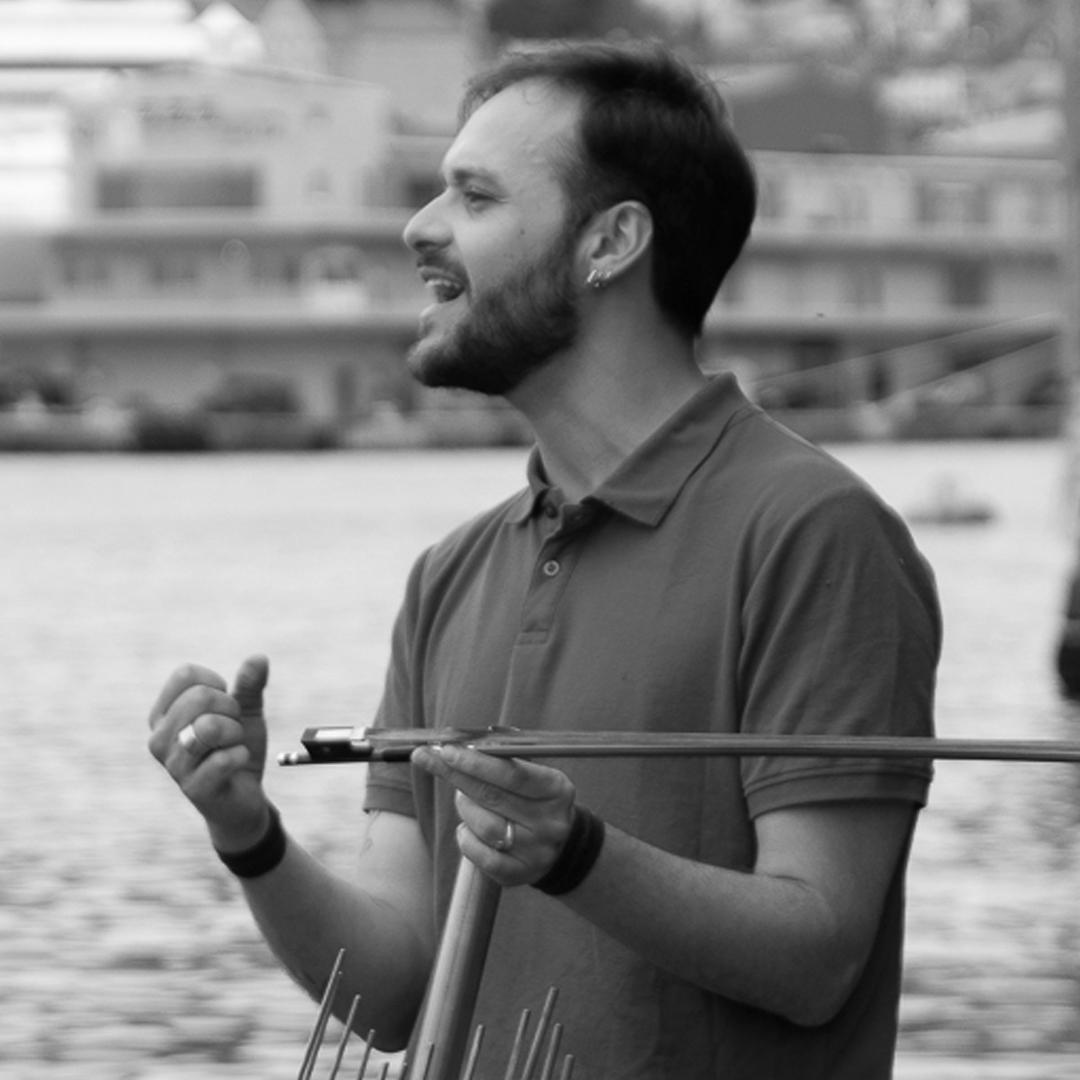
Juan Pablo Pacheco
- GUEST SPEAKERS
-
Twila Moon, Daniela Portella Sampaio & Jana Winderen
- DATES
-
Wednesdays, from April 15th to May 6th, 2026
- TIME
-
6:00 – 8:00 PM (CEST)
- FORMAT
-
4 online sessions via Zoom
- LANGUAGE
-
English
- FULL TUITION
-
€ 250
- DISCOUNT
-
20% for students & IPS alumni
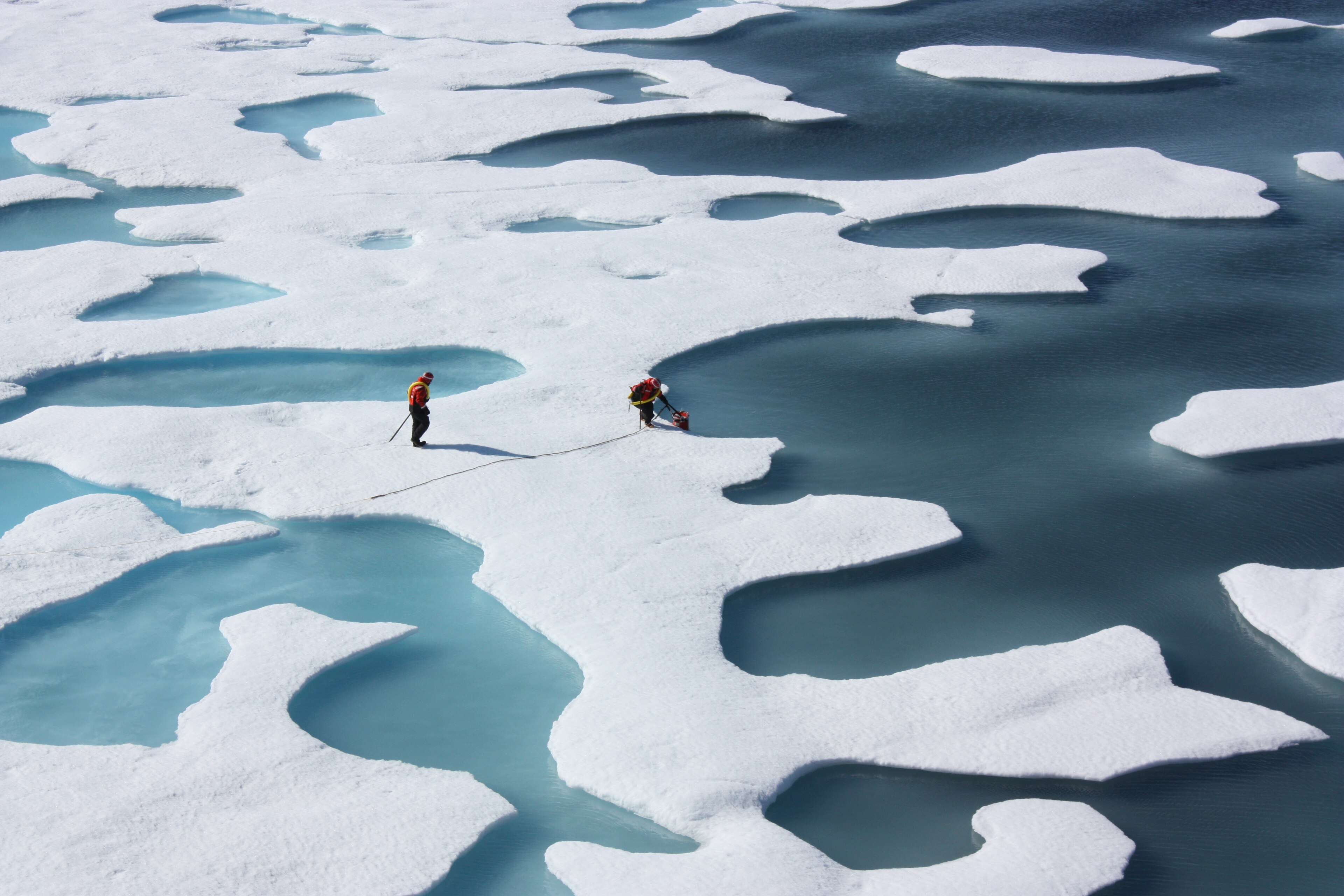
When we think of water, ice and vapor are often relegated to a secondary plane after the ocean, rivers, and lakes. As Earth continues to warm, glaciers and polar caps are rapidly disappearing while vapor levels in the atmosphere increase. Amidst this ecosocial crisis, there is also increasing geopolitical tension in Antarctica and the circumpolar arctic, with the United States planned takeover of Greenland as the most evident case.
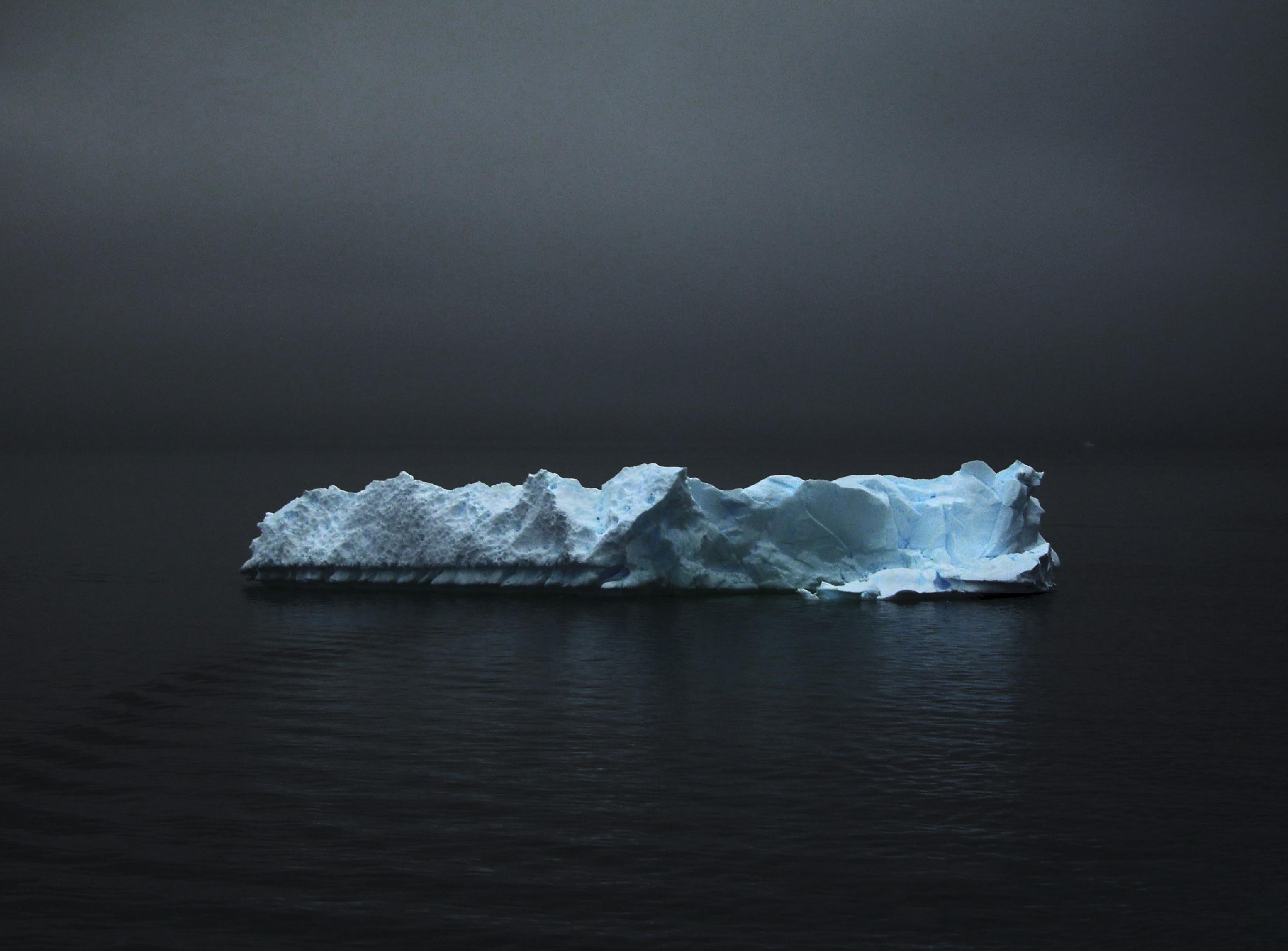
Antarctic Ice
ABOUT
Water Ecologies ~ Melting is a four-session seminar that dives into the political, ecological and aesthetic implications of a melting planet. How does the loss of glaciers and ice caps resonate with the expansion of extractive technologies, the expansion of AI infrastructure, and the changing sovereignty in a world marked by renewed imperialism?
Throughout the four sessions we will explore the emerging science from the deepest layers of frozen ecosystems, the ecologies of melting glaciers and ice caps, the geopolitical reconfigurations of the arctic and antarctic regions, and artistic invitations to defend, mourn, and listen to these disappearing ice worlds. This seminar explores melting as a political condition, an atmospheric reconfiguration, and as a possibility to sense how human and more-than-human communities are capable of reaffirming life in these conditions.
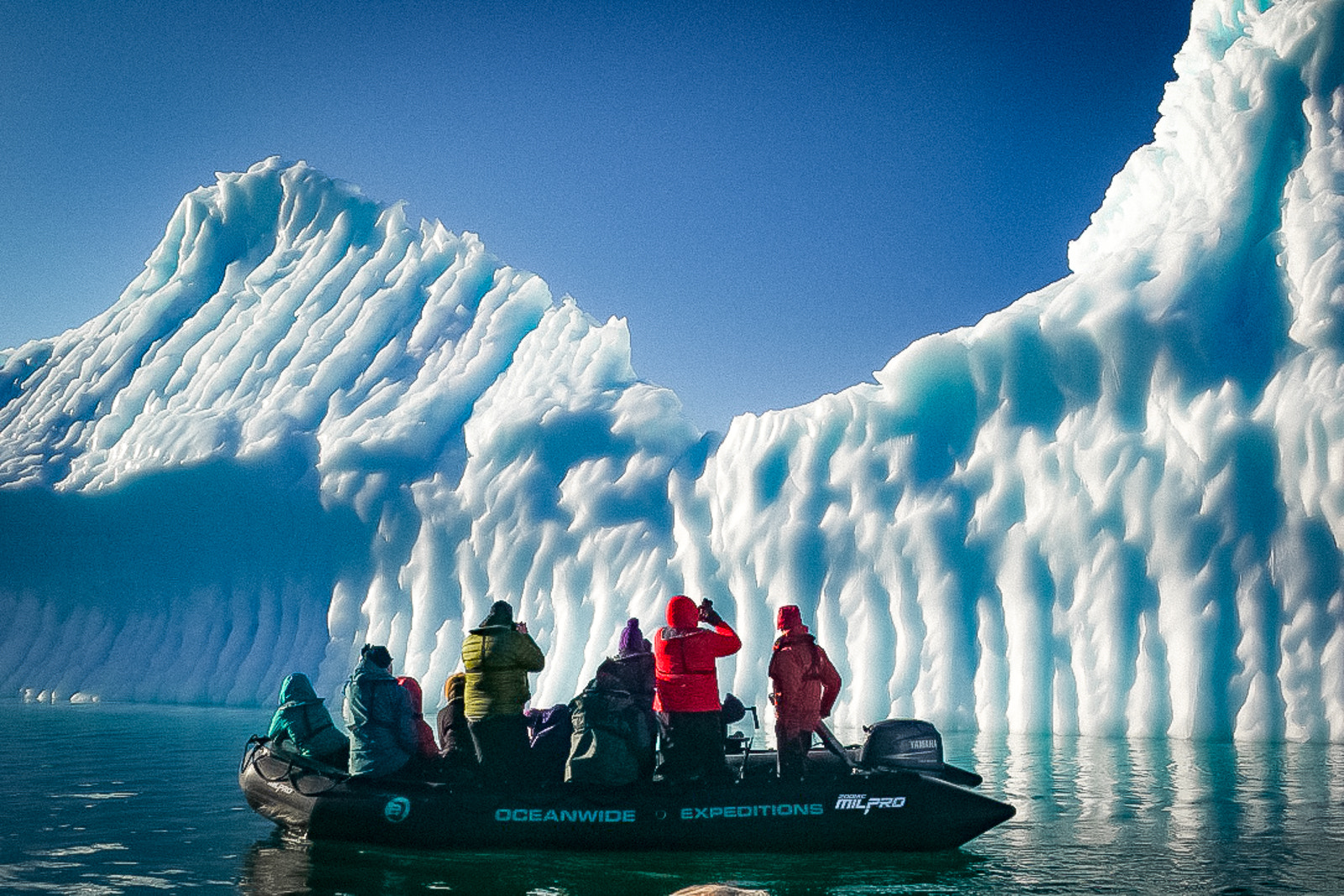
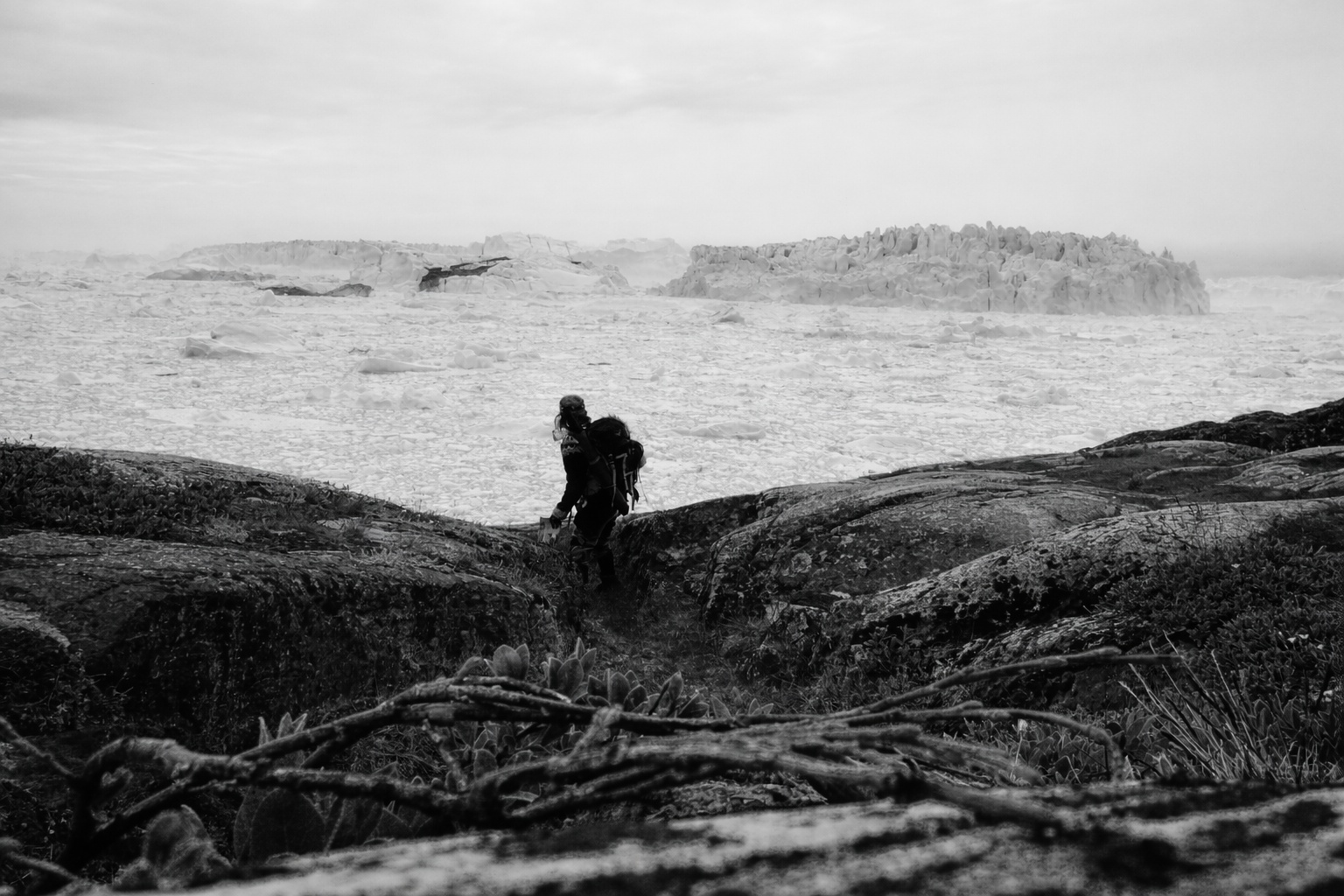
Photographers on an expedition in Scoresbysund, Greenland.
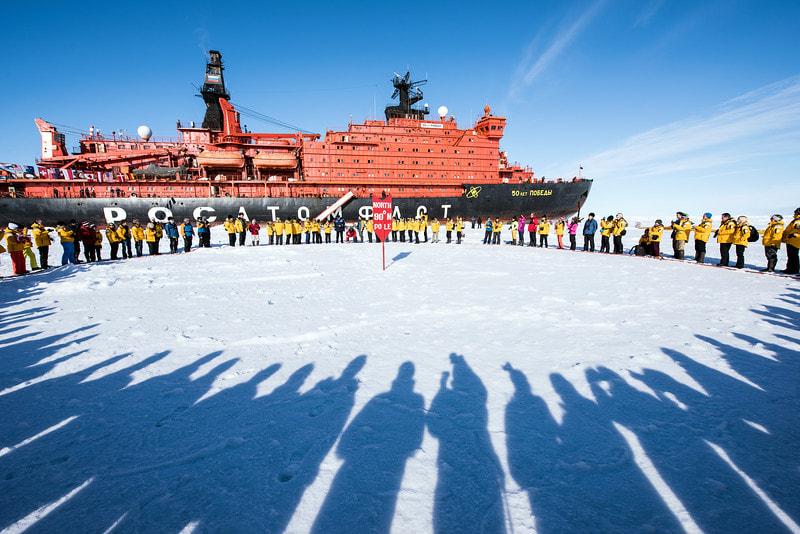
The North Pole And Nuclear Icebreaker 50 Years Of Victory.
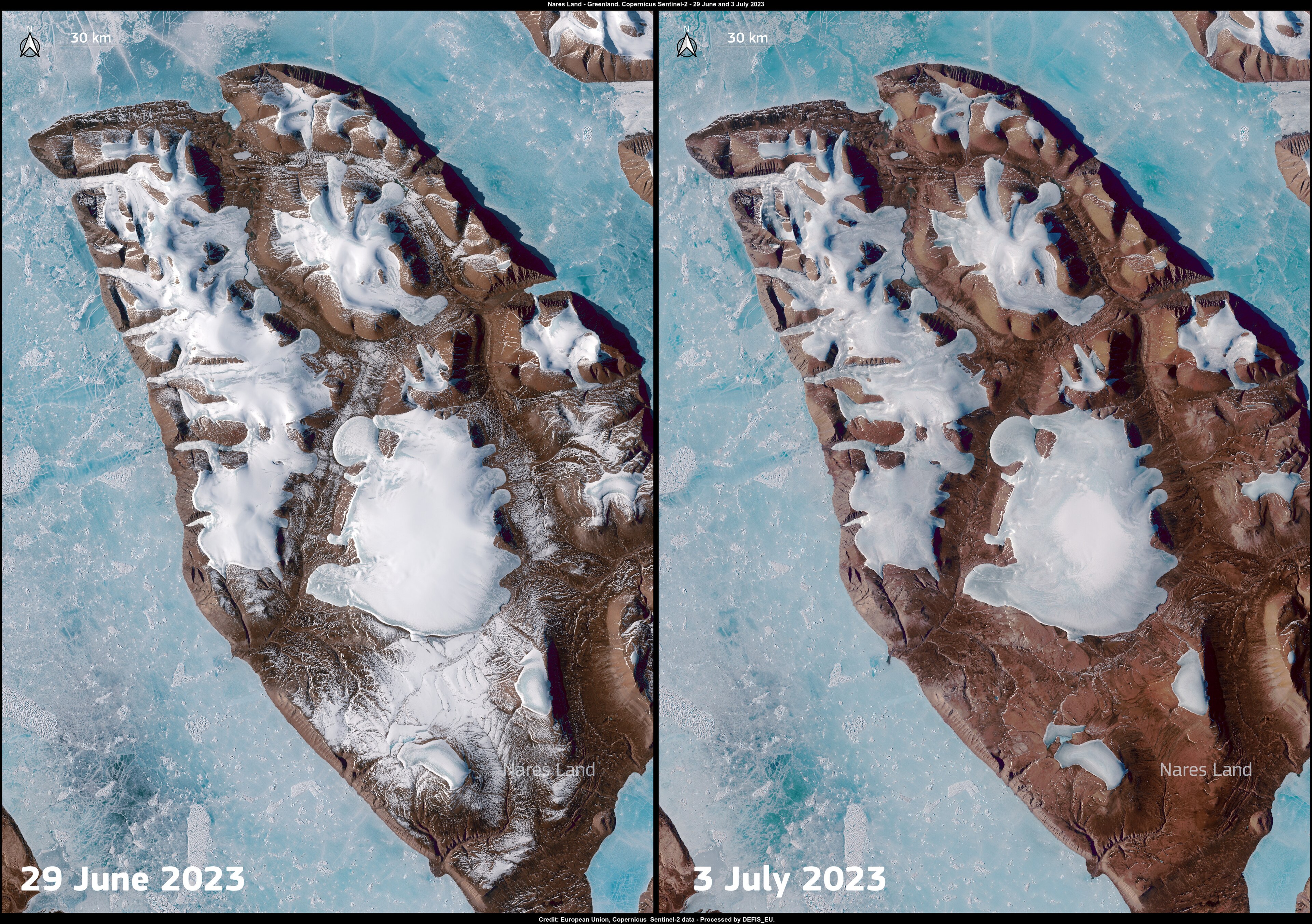
Aerial view of heatwave consequences in Greenland.
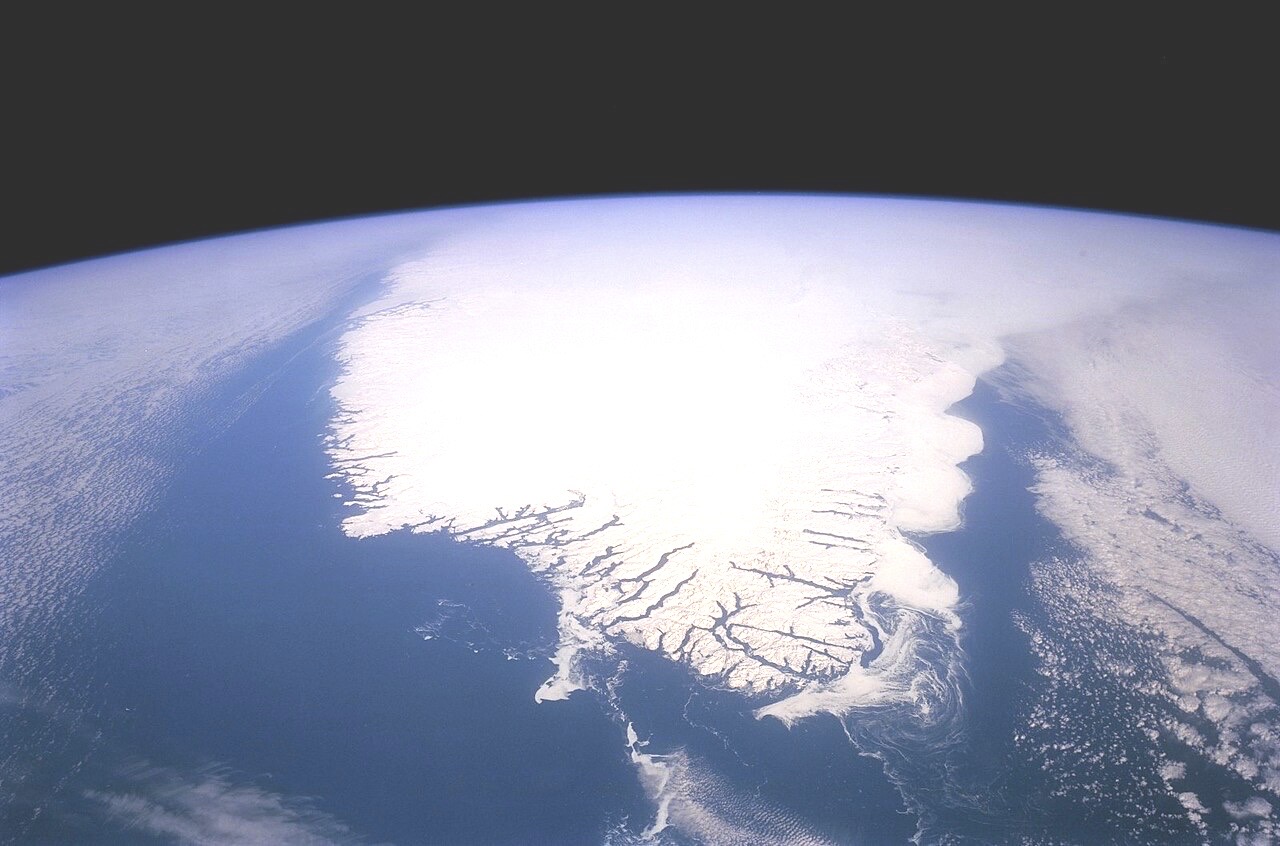
Early Melt on the Greenland Ice Sheet
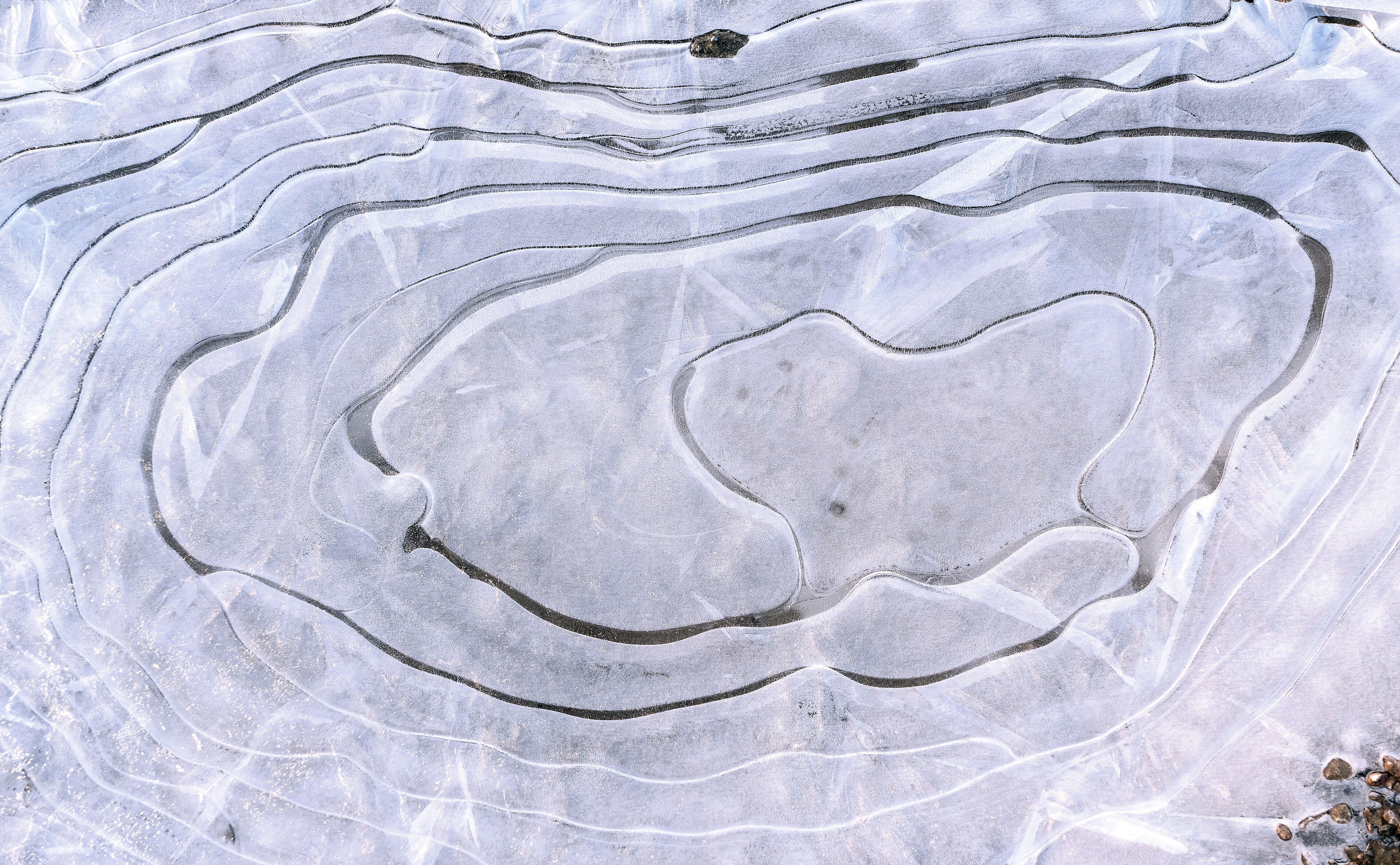
Frozen puddle in Brastad
SESSIONS
Session 1 — April 15th
Tropical ice and the cryosphere
with Juan Pablo Pacheco
This opening session introduces the seminar’s conceptual framework through the lens of water ecologies and blue humanities, focusing on ice as a planetary sensor rather than a distant or marginal phenomenon. The session explores the paradox of tropical glaciers and their accelerated disappearance, placing them in relation to extractive economies and emerging data center infrastructures in Latin America. Ice is approached as both a material archive and a vulnerable presence, prompting questions of mourning, care, and planetary sensing.
Session 2 — April 22nd
Greenland
with Twila Moon
Warming several times faster than the rest of the planet, the Arctic is undergoing rapid change, including ongoing ice loss from the vast Greenland Ice Sheet. This session dives into the state of change in the Arctic, with special attention to Kalaallit Nunaat (Greenland), and explores the cascading impacts from local to global scales, and the interplay and interconnections across environmental and societal systems. Melting as this scale reshapes the landscape, ocean behavior, global coastlines, and geopolitical priorities, with implications now and for millenia.
Session 3 — April 29th
Geopolitics of Antarctica
with Daniella Sampaio
This session introduces Antarctica as a unique continent shaped by extreme environmental conditions and an unusual political history. It begins by explaining what makes Antarctica different from other regions of the world, including the absence of permanent populations and its separation from the Arctic. The seminar then traces early human activity in the eighteenth and nineteenth centuries, when sealing and whaling connected Antarctica to global trade and competition. The session explores the tensions that emerge from how states have tried to demonstrate sovereignty through symbolic acts, physical presence, and official declarations. It then shows how science offered a peaceful alternative, leading to international cooperation and the Antarctic Treaty, which postponed sovereignty disputes through consensus decision-making. We then conclude by highlighting South American involvement in Antarctica.
Session 4 — May 6th
Kangia: listening to the melt
with Jana Winderen
Jana will be sharing her experiences from her work in the Arctic regions, both above and underwater. For example, her first meetings with the glacier Vatnajõkul in Iceland, Jostedalsbreen in Norway and the ice fjord Kangia in Greenland. She will be talking about the acoustics under the sea ice in the Barents sea, made audible by to the Bearded seals, Wahrus and the melting ice Jana will also be talking about her return last year to the Folgefonna glazier on the west coast of Norway, after 18 years.
BIBLIOGRAPHY
-
01.
Bjørst, Lill Rastad. 2011. “The Tip of the Iceberg: Ice as a Non-Human Actor in the Climate Change Debate.” Études/Inuit/Studies 34 (1): 133–50.
-
02.
Carver, Edward. 2025. “‘Nothing about Us without Us’: Inuit Leader Sara Olsvig on Ocean Politics.” Environmental News. Mongabay - Conservation News, July 31.
-
03.
Cruikshank, Julie. 2005. Do Glaciers Listen? Local Knowledge, Colonial Encounters, and Social Imagination. UBC Press.
-
04.
Pacheco Bejarano, Juan Pablo. 2024. “Humid Telepathy.” In Digging Earth: Extractivism and Resistance on Indigenous Lands of the Americas, edited by Catherine Bernard. Ethics Press.
-
05.
Portella Sampaio, Daniela. 2019. “The Antarctic Exception: How Science and Environmental Protection Provided Alternative Authority Deployment and Territoriality in Antarctica.” Australian Journal of Maritime & Ocean Affairs 11 (2): 107–19.
-
06.
Remaud, Olivier. 2022. Thinking Like an Iceberg. Translated by Stephen Muecke. Polity.
-
07.
Tedesco, Marco, and Alberto Flores d’Arcais. 2020. The Hidden Life of Ice: Dispatches from a Disappearing World. The Experiment, LLC.
-
08.
Winderen, Jana. n.d. “Jana Winderen | Spring Bloom in the Marginal Ice Zone.” Accessed January 21, 2026.
FACULTY
-
Juan Pablo Pacheco Bejarano

Juan Pablo Pacheco is a Colombian artist and researcher currently living in Madrid. His work uses multiple media to connect water ecologies, technological infrastructures, and spirituality through perspectives informed by political ecology and ecopoetics. His work explores how bodies of water, climate processes, and emerging technologies reshape contemporary modes of inhabiting and sensing aquatic environments.
-
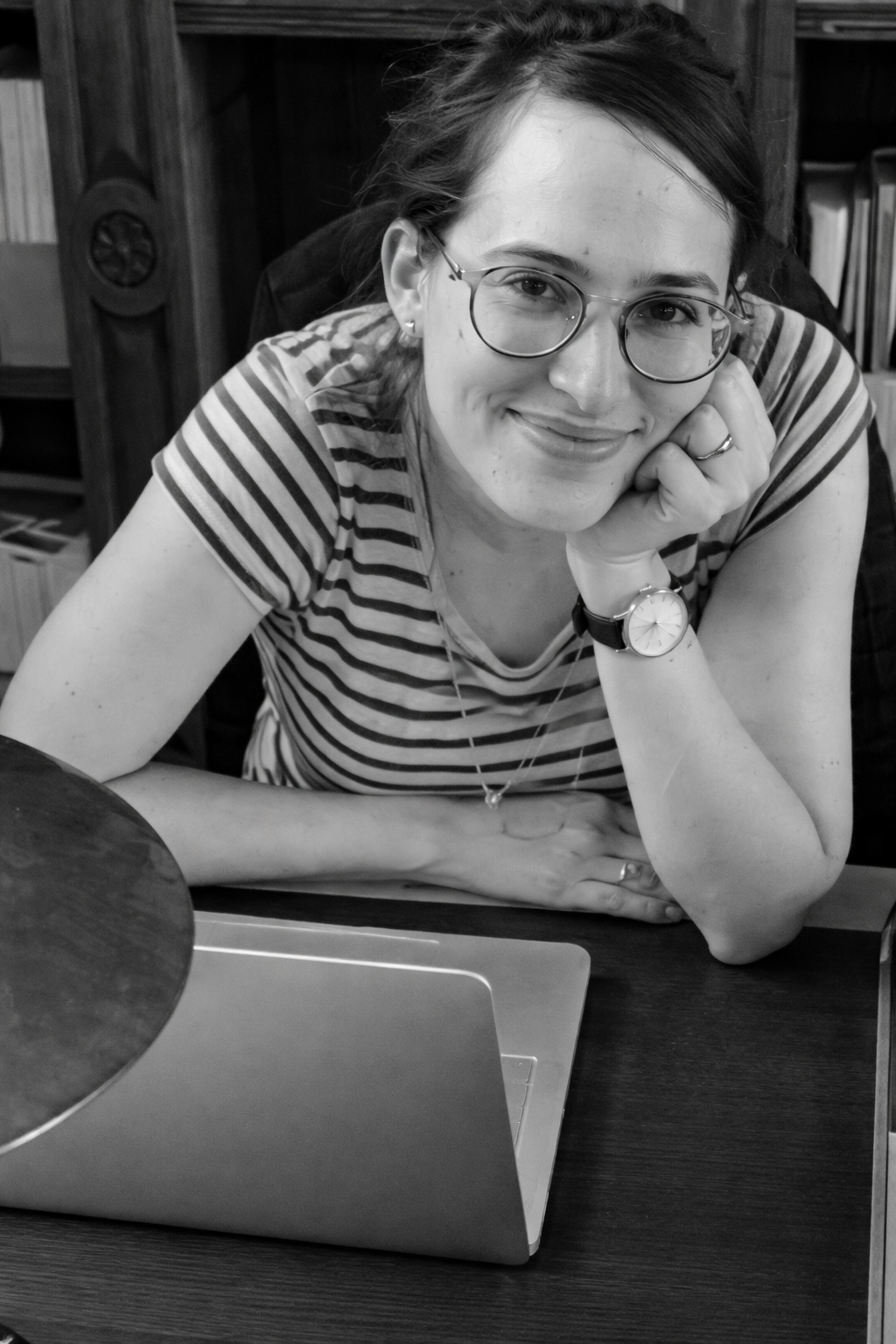
Daniela Portella Sampaio
Daniela Portella Sampaio is a researcher affiliated with the Research Centre for International Relations at the University of São Paulo, based in the United Kingdom. Her work explores how countries cooperate to govern environmental, marine, and polar regions, with a particular focus on Antarctica. She has held two Marie Skłodowska-Curie Postdoctoral Fellowships and has worked at universities in Germany and the UK. Her research examines how governments manage environmental risks and responsibilities in Antarctic governance. Daniela has extensive experience in policy-focused research, including work on marine protection and environmental regulation. For over ten years, she has collaborated closely with the Antarctic Treaty Secretariat, contributing research and advice on environmental protection, liability, and governance within the Antarctic Treaty System.
-
Jana Winderen
Jana Winderen is a Norwegian sound artist and composer based in Oslo, working at the intersection of sound, art, and acoustic ecology. With a background in mathematics, chemistry, and fish biology, her practice explores sonic environments beyond human perception, including underwater ecosystems, glacial formations, and remote polar regions. Her work has been widely exhibited internationally, and she received the Golden Nica at Ars Electronica for Energy Field.
-
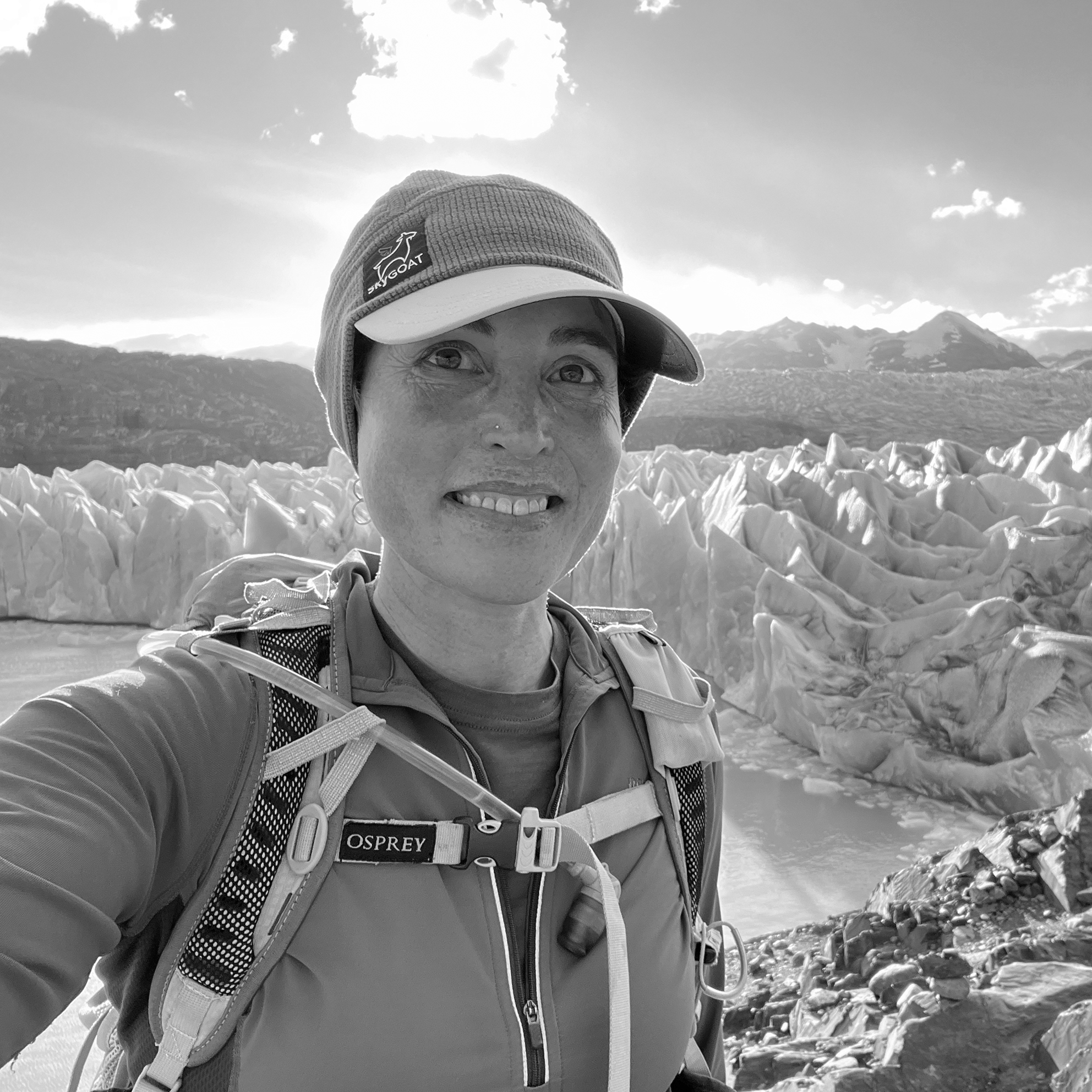
Dr. Twila Moon
Dr. Twila Moon is a glaciologist and climate science communicator. She is Deputy Lead Scientist at the National Snow and Ice Data Center and Climate Science Engagement Lead at the Center for Education, Engagement, and Evaluation, both part of the University of Colorado Boulder’s Cooperative Institute for Research in Environmental Sciences. Moon is a U.S. Polar Research Board member, NOAA Arctic Report Card lead editor, and member of The Explorers Club. She received the American Geophysical Union 2025 Pavel S. Molchanov Climate Communication Prize, has testified for the U.S. Congress, and is featured regularly in print, radio, and film/TV. She is one of the leaders at https://changingice.com/